
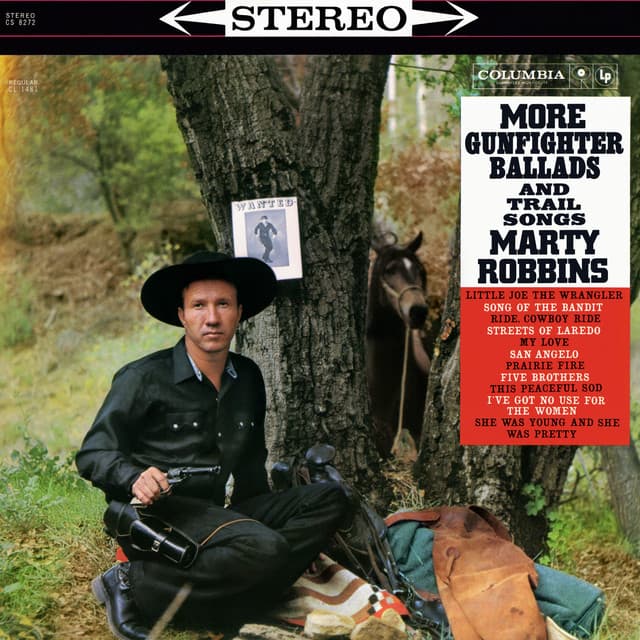
Marty Robbins – The Letter Edged In Black: A Timeless, Tear-Stained Ballad of Lost Innocence
To speak of Marty Robbins is to speak of a towering figure in country and western music—a man whose versatility spanned from the rocking edge of “A White Sport Coat” to the epic sweep of “El Paso.” But for many of us, especially those who appreciate the deep roots and sheer emotional weight of the genre, it is in the simple, heartbreaking ballads that his voice truly shone. “The Letter Edged In Black” is one such song, a timeless lament that predates Marty Robbins, but was immortalized by his tender, sincere rendition.
While Robbins is famous for his chart-topping originals, this particular tune is a traditional folk song, originally penned by Hattie Nevada (also known as Harriet Nevada Hicks) way back in 1897. This context is essential, as it immediately places “The Letter Edged In Black” not just as a song, but as a piece of American musical heritage, passed down through generations of singers. Marty Robbins released his version on an EP in 1957, titled Marty Robbins Sings The Letter Edged In Black, and its inclusion in his repertoire demonstrates his deep respect for the fundamental, unadorned stories that form the bedrock of country music.
It’s important to note that, unlike his major crossover hits like “Singing the Blues” or “El Paso,” this solemn track did not register a significant chart run for Robbins upon its release. It wasn’t designed to. This was not a commercial endeavor for mass appeal; it was a soulful acknowledgment of a powerful, familiar tragedy, a song beloved by artists like Vernon Dalhart and Hank Snow before him. Its impact is measured not in weeks at No. 1, but in the lump it puts in your throat.
The Unforgettable Story of the Fateful Letter
The story the song tells is one of sudden, crushing loss, delivered with an almost cinematic starkness that appeals directly to the heart. It opens with the narrator standing by the window, cheerful and carefree, only to see the postman approaching—a figure of joy that quickly becomes an unwitting messenger of doom.
The titular “Letter Edged In Black” is, of course, the fateful telegram or correspondence used in days past to announce a death, the black border signifying profound mourning. The narrator, filled with dread, opens the letter, and the world collapses with the few, shattering words: “Come home my boy, your dear old father wants you / Come home my boy, your dear old mother’s dead.”
For the older listener, this ballad resonates with a particular, aching familiarity. We remember an era before instant communication, where news often traveled slowly and landed like a hammer blow. The raw simplicity of the lyric, capturing the moment a happy life is instantly fractured by the loss of a mother, taps into the universal, primal grief we all carry. The song is a three-minute masterclass in dramatic tension and emotional release.
The Enduring Significance of Marty’s Delivery
What elevates Robbins’ version above simply being a historical recording is his unique vocal quality. Marty Robbins had a voice that was both smooth and deeply empathetic. When he sings these old, sorrowful tunes, he doesn’t just read the words; he embodies the weary traveler, the heartbroken son. His soft, almost conversational delivery, backed by sparse, respectful acoustic instrumentation, allows the full weight of the narrative to fall directly onto the listener.
He was a master of genre, blending country, western, pop, and rockabilly, yet his commitment to these melancholy, traditional story-songs like “The Letter Edged In Black” proved his sincerity as a chronicler of the human condition. This song is a nostalgic reminder of a different time, when people held their grief close and found solace in shared sorrow through music. It’s a beautifully melancholic piece that stands as a tribute to the enduring power of a simple story well told.
 Music Legend