
A Gentle Whisper of Love Across Oceans
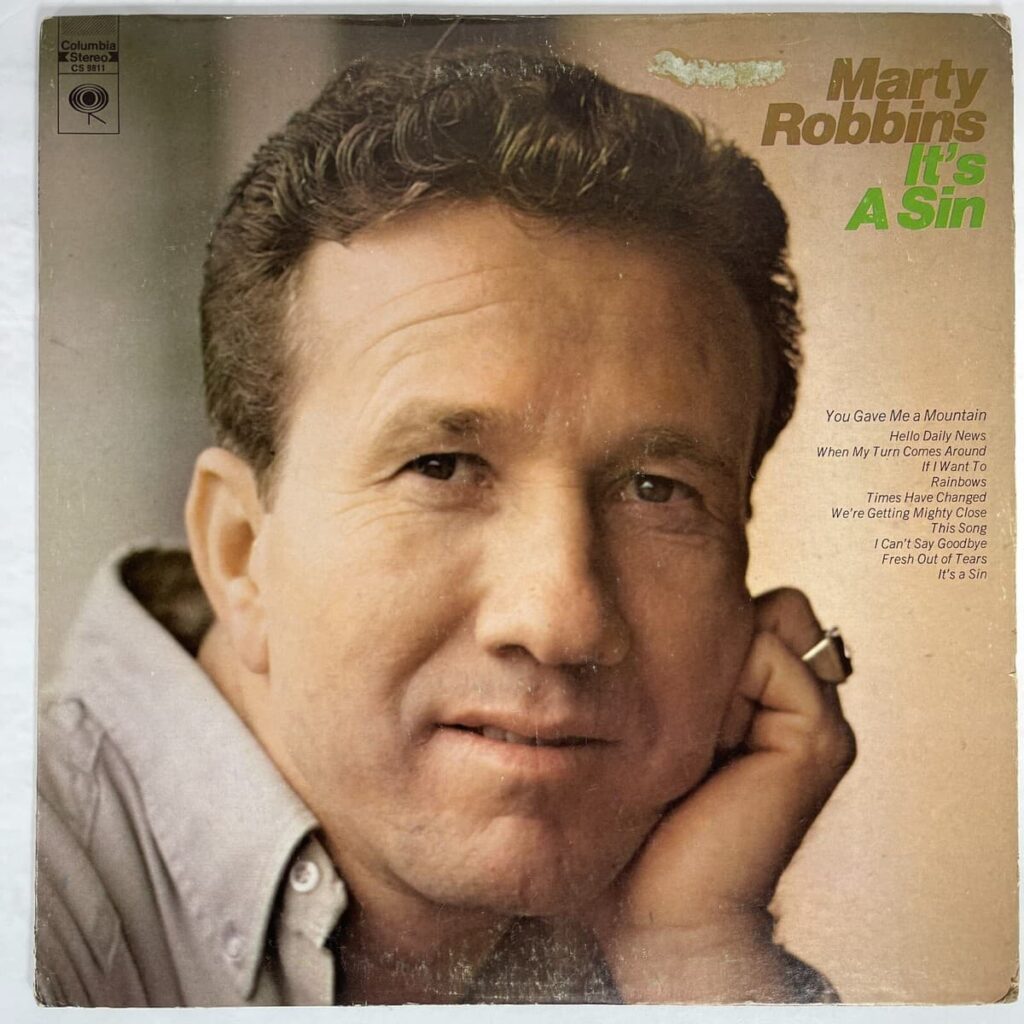
Few songs carry the kind of timeless warmth and tender nostalgia as “Sweet Leilani” by Marty Robbins. Originally written in 1934 by Harry Owens for the film Waikiki Wedding, it became emblematic of romantic escapism and island serenity, and Robbins’ interpretation later brought it into the heart of country music lovers, blending his signature smooth vocal delivery with the song’s breezy, heartfelt charm. While Robbins’ version was not released as a major chart single, it was celebrated in live performances and recordings that showcased his versatility and deep appreciation for classic melodies, allowing audiences to relive the magic of the song decades after its initial Hollywood debut.
“Sweet Leilani” is a love song in its purest form — a serenade that conjures images of swaying palms, gentle waves, and a love so radiant that it transcends both time and place. The song’s lyrics — a simple, melodic devotion to someone cherished — have allowed it to endure for generations, capturing the universal longing for connection, tenderness, and quiet beauty in the everyday. Robbins’ rendition adds an extra layer of intimacy: his warm, rich baritone evokes the kind of personal closeness that makes listeners feel as if the song were being sung just for them, under a star-lit sky far from the noise of the world.
The story behind “Sweet Leilani” is as charming as the melody itself. Written by Owens for his daughter, Leilani, the song won the Academy Award for Best Original Song in 1937, firmly establishing it as a classic in American music history. Robbins, a consummate storyteller and balladeer, later brought the song into the country realm, emphasizing its melodic elegance while infusing it with the gentle, narrative-driven style that defined his career. This bridge between Hawaiian romanticism and American country storytelling allowed audiences to experience the song in a new, deeply personal way, one that feels like both a tribute and a reinvention.
Musically, Robbins’ version retains the song’s original sweetness while adding subtle country instrumentation: soft acoustic guitars, gentle piano flourishes, and restrained percussion create a calming, intimate backdrop for his voice. The arrangement is unhurried, letting each note linger, allowing listeners to savor every syllable of the song’s romantic imagery. It’s a performance that invites reflection, a quiet meditation on love’s enduring power and the serenity it brings to life.
The meaning of “Sweet Leilani” extends beyond its melodic beauty. It speaks to the quiet joys of love — the kind that exists in shared smiles, whispered words, and moments of peaceful companionship. For older audiences, Robbins’ interpretation evokes memories of radio broadcasts and intimate record players in cozy living rooms, of evenings softened by music that both comforted and transported. It is a song that whispers of tender devotion, of romantic innocence, and of a world that feels gentle and safe, even amidst life’s complexities.
In many ways, Robbins’ rendition serves as a bridge between eras, bringing the elegance of 1930s Hawaiian-inspired melodies into the mid-20th-century country music landscape. His ability to balance technical skill with heartfelt emotion makes “Sweet Leilani” more than a nostalgic tune — it becomes a vessel of memory, a reminder of the enduring sweetness of love, and the quiet magic that music can bring to life.
Listening to Marty Robbins – “Sweet Leilani” today is like opening a time capsule filled with warmth, romance, and the gentle reassurance that some songs are timeless. The performance invites reflection on love, memory, and the delicate beauty found in simple expressions of affection. In Robbins’ hands, the song remains a luminous testament to music’s ability to carry emotion across years and miles, reminding us that true love, once sung, never fades.