
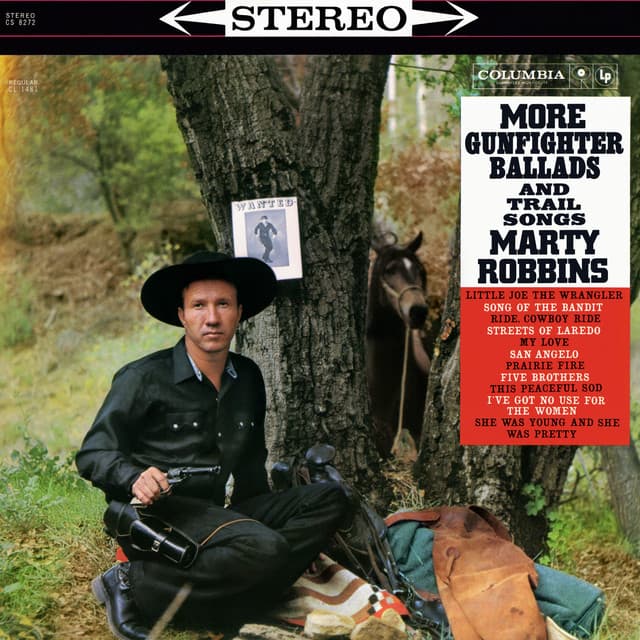
Marty Robbins’ “April Fool’s Day”: The Bitter Sting of a Prank Gone Tragically Wrong
There are songs that make us laugh, songs that make us cry, and then there are the rare, chilling narratives that make us genuinely ponder the thin, often cruel line between playful jest and heartbreaking reality. Marty Robbins’ 1968 recording of “April Fool’s Day” is a prime example of the latter. It is a haunting, somber tale that uses the tradition of the first of April to deliver a truly devastating twist, showcasing Robbins’ mastery not just as a singer, but as one of Country music’s most captivating dramatic storytellers.
Released in 1968, the song was featured on the album By the Time I Get to Phoenix. While the song itself is frequently remembered for its narrative power, its commercial chart performance was more modest compared to some of Robbins’ mega-hits like “El Paso.” However, its emotional weight made it a deeply recognizable and respected track among Country music aficionados. It peaked at Number 20 on the U.S. Billboard Hot Country Singles chart, a position that doesn’t fully capture the impact this tragic, carefully crafted story had on its listeners. The very fact that a song about such heavy themes could penetrate the charts speaks volumes about Marty Robbins’ star power and his audience’s trust in his lyrical choices.
The story behind the song is a simple yet brilliantly constructed piece of fatal irony. The narrator, attempting to play a practical joke on his partner on April Fool’s Day, tells her that he is leaving her—packing his bags and walking out the door. His intention is to wait for her reaction and then cheerfully announce, “April Fool’s!” However, the plan goes tragically awry. The moment he finishes delivering his mock farewell, she calmly responds, “April Fool’s to you, too… I’m already gone.” She reveals that she packed her bags and left earlier that morning, beating him to the punch with a truth disguised as a counter-joke.
The true, deep significance of “April Fool’s Day” lies in its exploration of miscommunication, misplaced priorities, and the irreversible consequences of emotional games. The narrator’s intended joke is a form of casual cruelty; he gambles with his partner’s deepest fears for a moment of fleeting amusement. The ironic twist—that his joke merely uncovered a painful, established reality—serves as a devastating lesson in not taking love for granted. It’s a chilling reminder that sometimes, the things we treat as games are the very things that hold our lives together, and that a casual pretense of departure can prompt a permanent one.
For those of us who remember listening to this track on a scratchy vinyl or over the AM radio airwaves, the song is a powerful, cautionary memory. It evokes a time when storytelling in music was king, and artists like Marty Robbins could hold an audience rapt with nothing more than a guitar, a steady tempo, and a tale of human folly. It’s a song that makes us reflect on the small, careless words we might have uttered, or the emotional risks we took in our own relationships, often forgetting that the other person might be holding cards we knew nothing about.
This somber ballad stands as a testament to the sophistication of classic Country songwriting—where even a novelty holiday can be twisted into a powerful narrative on loneliness and regret. Marty Robbins delivered this narrative with his signature gravitas, turning a dark joke into a timeless reflection on the perils of assuming you hold all the power in a relationship.
 Music Legend