
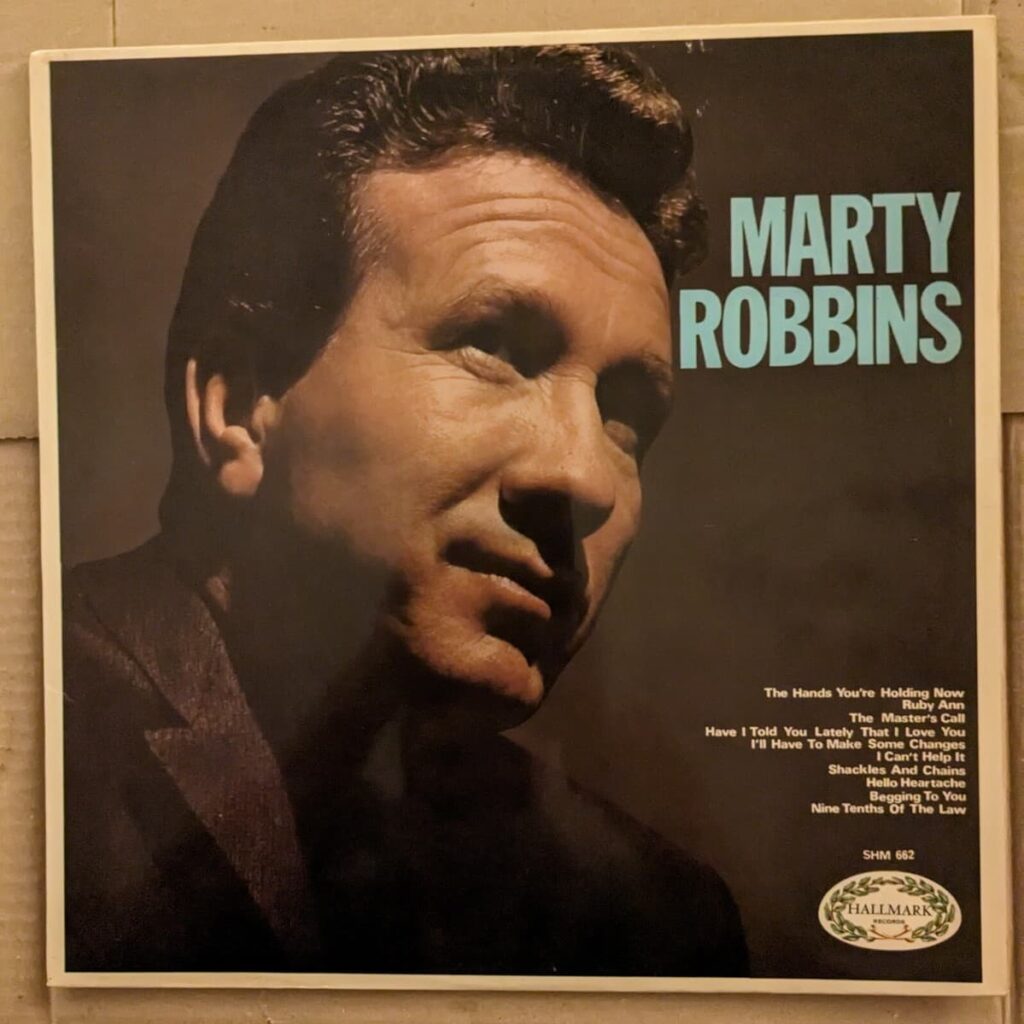
Marty Robbins – Would You Take Me Back Again: A Humble Petition for Grace and the Long Road Home
In the vast and varied journey of Marty Robbins, there were moments when he put aside the bravado of the gunfighter and the charm of the pop star to speak as a man humbled by his own mistakes. Recorded in the late 1960s and later featured on the poignant 1971 album Today, “Would You Take Me Back Again” is a soul-baring ballad that explores the universal theme of repentance. While the album reached No. 15 on the Billboard Top Country Albums chart, this track remains a profound touchstone for anyone who has ever looked back at a bridge they burned and wondered if there was still a way across.
For those of us who have lived through the decades and seen the ripples caused by our own choices, this song resonates with a quiet, heavy truth. Marty Robbins, with a voice that had matured into a rich, mahogany tenor, delivers a performance of remarkable vulnerability. It is a song for the person who understands that as we age, the pride of our youth often gives way to a deeper need for forgiveness. There is a deep, reflective nostalgia in the way Marty asks the central question—not with a demand, but with a tentative, hopeful whisper.
The story behind the song is one of classic country songwriting at its most direct and honest. Written by the legendary Red Lane, it captures a moment of stark realization. The narrator has been out in the world, chasing shadows and searching for something that wasn’t there, only to realize that the most precious thing he ever had was what he left behind. In 1971, as the world was undergoing a massive cultural shift, Marty remained a voice for the timeless values of the heart. He understood that no matter how much the world changes, the pain of regret and the hope for a second chance remain the same.
The meaning of “Would You Take Me Back Again” lies in its raw honesty. There is no attempt to sugarcoat the past or make excuses. When Marty sings, “I’ve seen the world and I’ve seen enough / To know I’m nothing without your love,” he is expressing a sentiment that many of us only come to understand after many years. For the mature reader, the song is an acknowledgement that “home” is not just a place, but the presence of the one person who truly knows us and loves us anyway. It is a song that honors the bravery it takes to admit we were wrong and the grace it takes to receive someone back.
Musically, the track is a beautiful example of the Nashville Sound‘s more contemplative side. The arrangement is built on a foundation of soft acoustic guitars and a gentle, weeping steel guitar that echoes the longing in Marty’s voice. His phrasing is deliberate, allowing the weight of each word to land with the listener. To listen to this track today is to appreciate the dignity of a man who isn’t afraid to be small. Marty Robbins reminds us that while we cannot change the past, we can always reach out toward the possibility of a new beginning.
 Music Legend