
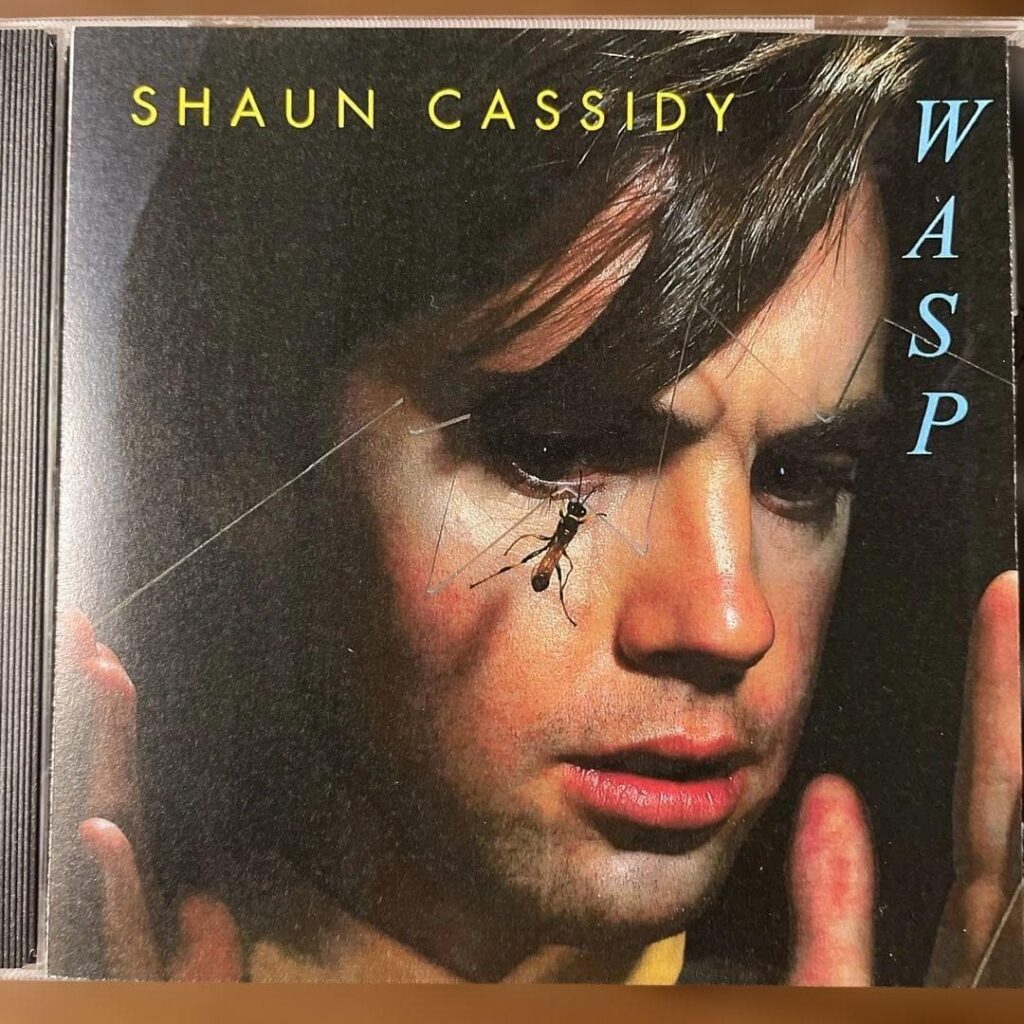
A quiet moment of farewell, where young confidence meets the first ache of letting go
Walk Away by Shaun Cassidy arrived at a moment when popular music was balancing innocence and experience, and when a familiar voice could still carry the weight of unspoken emotion. Released in 1977 as a single from his self titled debut album Shaun Cassidy, the song climbed to No. 6 on the Billboard Hot 100, confirming that Cassidy was more than a passing phenomenon. While his earlier hits leaned toward buoyant nostalgia and youthful sparkle, Walk Away revealed a more reflective side, one that lingered quietly after the final note.
Originally written by Geoff Stephens and first recorded in the mid 1960s, Walk Away already carried a history of emotional restraint. Yet it was Shaun Cassidy’s interpretation that reshaped the song for a new era. His version did not rush the sentiment. Instead, it allowed space for hesitation, for that pause that comes just before a decision is made. The arrangement is gentle but assured, framed by soft harmonies and a measured rhythm that never demands attention, yet never releases it either.
At the time of its release, Shaun Cassidy was widely recognized for his charm and youthful presence, particularly through television and earlier chart successes like Da Doo Ron Ron. With Walk Away, however, he stepped into a different emotional register. The song does not plead. It does not accuse. It simply accepts. That acceptance is what gives the performance its lasting resonance. The narrator understands that love, once bright and uncomplicated, has reached a quiet conclusion. There is sadness, but there is also dignity.
Chart success followed naturally. Reaching No. 6 on the Billboard Hot 100, Walk Away stood alongside the strongest pop recordings of the year. Yet its achievement was not defined solely by numbers. It was defined by how naturally it slipped into memory. Listeners recognized themselves in its restraint, in the idea that sometimes the most honest response to love is silence followed by distance.
The meaning of Walk Away rests in its emotional maturity. It speaks to the moment when holding on would only deepen the wound. There is no dramatic confrontation, no final argument. The song understands that certain endings do not announce themselves loudly. They arrive softly, almost politely, asking only for acceptance. This emotional clarity is what separates the song from simpler tales of heartbreak. It does not linger on blame. It acknowledges reality.
The album Shaun Cassidy played an important role in shaping this narrative. As his debut record, it balanced upbeat reinterpretations with quieter introspection. Walk Away emerged as one of its most thoughtful tracks, offering contrast to the album’s brighter moments. It demonstrated that Cassidy could convey vulnerability without losing composure, a skill that would define much of his appeal.
Musically, the song is restrained in the best sense. The melody unfolds gradually, guided by Cassidy’s calm vocal delivery. His voice does not strain for effect. It trusts the lyric. That trust invites the listener inward, toward reflection rather than reaction. Each line feels considered, as though spoken after careful thought rather than in the heat of emotion.
Decades later, Walk Away continues to resonate because it honors emotional honesty. It recognizes that endings are part of living, and that grace often appears not in dramatic declarations, but in quiet resolve. The song stands as a reminder that pop music, at its best, does not merely entertain. It accompanies life.
In Shaun Cassidy’s catalog, Walk Away remains a defining moment. It captures a young artist choosing subtlety over spectacle, reflection over excess. The song does not chase memory. It waits patiently for memory to find it. And when it does, it feels as gentle and true as it did the first time it reached the airwaves.