
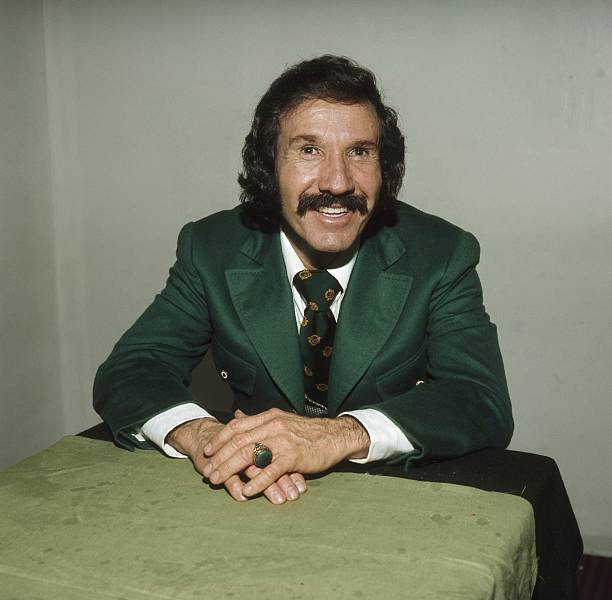
Marty Robbins – Rose of Ol’ Pawnee: A Dust-Crowned Waltz Through the Heartland of Memory
In the grand tradition of Western music, there are songs that feel less like compositions and more like pieces of the American soil itself. Released in 1961 on the album More Gunfighter Ballads and Trail Songs, Marty Robbins’ rendition of “Rose of Ol’ Pawnee” is a sublime example of the “Gentle Balladeer” honoring the roots of the genre. While the album served as a worthy successor to his legendary 1959 release, reaching No. 11 on the Billboard charts, this particular track offers a softer, more melodic contrast to the tales of gunfights and outlaws.
For those who have seen the seasons change across the plains of their own lives, this song carries a haunting, rhythmic nostalgia. Marty Robbins, with a voice as steady as a trail horse and as clear as a prairie sky, revives a story of a love that bloomed in the Oklahoma territory. It is a song for the person who understands that we all have a “Rose” in our past—a memory of someone so vibrant they remain forever etched against the backdrop of a town that time has largely forgotten. For the mature reader, the “Ol’ Pawnee” isn’t just a place; it’s a stand-in for the “golden age” of our own youth.
The history of the song is a bridge to the origins of Western swing and cowboy music. Written by the legendary Fred Rose (one of the founding fathers of Nashville’s music industry), the song was famously performed by Bob Wills and His Texas Playboys. When Marty took it on in 1961, he stripped away the frantic fiddles of the dance hall and replaced them with a slow, swaying waltz. He understood that by the early sixties, his audience was looking for a more intimate, cinematic experience. He turned a dance tune into a “portrait,” painting a picture of a girl with “eyes like the morning star” and a spirit as free as the wind.
The lyrical depth of “Rose of Ol’ Pawnee” lies in its sense of place and permanence. It celebrates a beauty that doesn’t fade with the years. The narrator speaks of the “hills of Oklahoma” and the “shadows of the trees,” grounding the romantic sentiment in the physical reality of the West. For those of us looking back through the lens of history, the song captures the “pioneer spirit” of love—the idea that even in a rugged, often harsh landscape, something delicate and beautiful can take root. Marty’s delivery is incredibly respectful; he sings with a tilt of the hat, honoring both the girl and the land that raised her.
Musically, the track is a masterclass in the “Trail Song” aesthetic. It features the signature “ticky-tacky” guitar percussion and a melodic, weeping steel guitar that mimics the sighing of the Oklahoma wind. Marty’s phrasing is exceptionally fluid, particularly on the soaring choruses where he lets his tenor bloom like the very flower he’s singing about. To listen to this track today is to reconnect with the simple, honest storytelling that made country music great. Marty Robbins reminds us that while towns may change and “Ol’ Pawnee” may fade into history, the “Rose” remains as fresh as the day she first stole a young man’s heart.
 Music Legend