
When loneliness becomes permanent, etched not in memory but in the soul itself
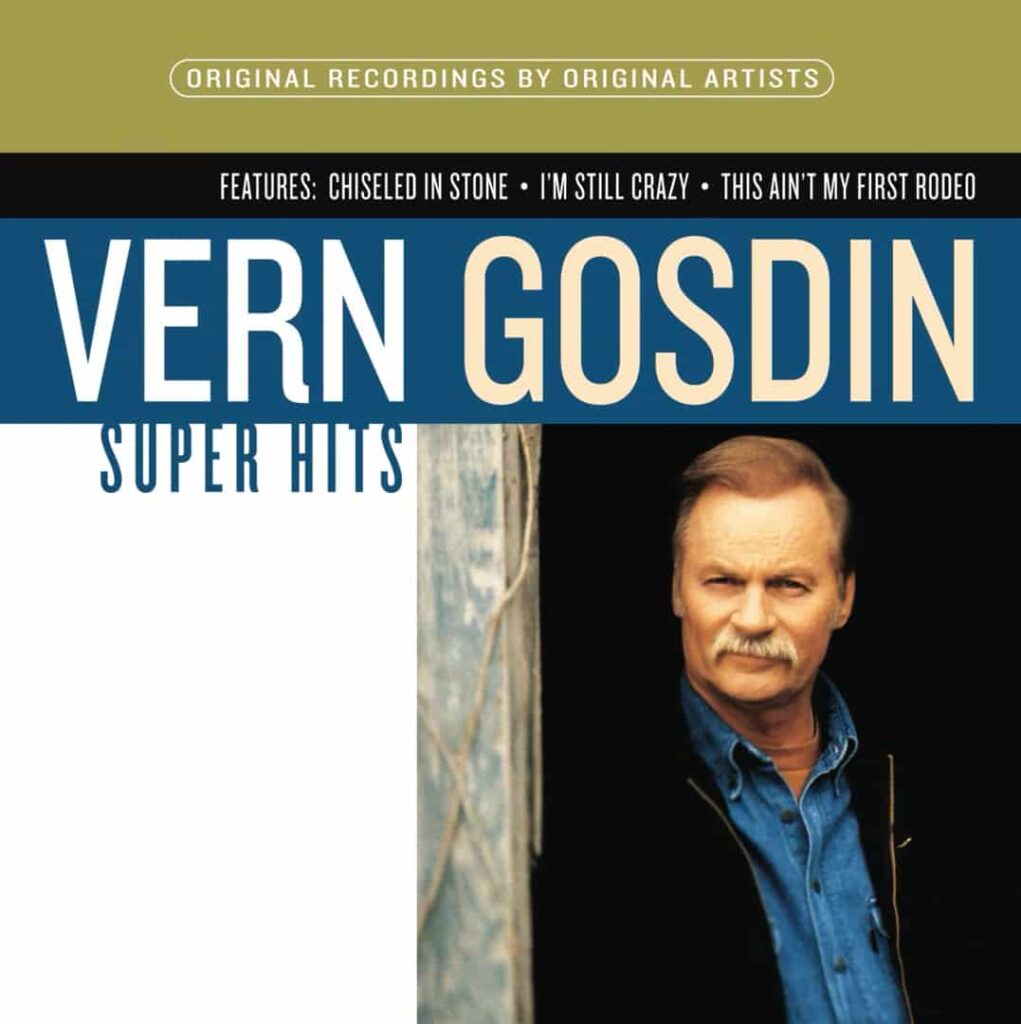
They called Vern Gosdin “The Voice,” and in the landscape of classic country music, that title was earned the hard way. Not through flash, volume, or vocal acrobatics, but through restraint. Through the courage to sing softly when pain is loud. Few recordings demonstrate this more clearly than “Chiseled in Stone,” a song that stands not only as his signature work, but as one of the most emotionally uncompromising records country music produced in the late 1980s.
Released in 1988 as the title track from the album Chiseled in Stone, the song made an immediate and lasting impact. It reached No. 6 on the Billboard Hot Country Singles & Tracks chart in early 1989, a notable achievement for a record that offered no easy comfort and no tidy resolution. At a time when country radio was leaning toward polish and crossover appeal, “Chiseled in Stone” went the other way. It slowed down. It spoke plainly. And it trusted the listener to understand pain without it being explained.
The song was written by Vern Gosdin himself alongside the legendary songwriter Max D. Barnes, a pairing known for emotional honesty rather than commercial compromise. Barnes had a gift for writing about loss with adult clarity, and Gosdin had the voice to carry those words without decoration. The story unfolds in a barroom setting, a familiar country trope, yet what happens inside that bar feels deeply human rather than theatrical. A grieving man listens as another casually complains about a broken relationship. Then comes the line that defines not just the song, but Gosdin’s legacy: “You don’t know about lonely, till it’s chiseled in stone.”
That lyric lands with the weight of lived experience. It draws a line between temporary heartache and irreversible loss, between loneliness that fades and loneliness that settles in for life. There is no metaphor more final than stone. Stone does not bend. Stone does not forget. In that single phrase, the song articulates a truth many understand but rarely hear spoken aloud: some losses do not heal. They simply become part of who you are.
Musically, “Chiseled in Stone” is understated to the point of austerity. The arrangement leaves space for the story to breathe, and Gosdin’s delivery never pushes. His voice, weathered and unhurried, sounds like a man who has already cried all the tears he had. That restraint is precisely why the song cuts so deeply. He does not ask for sympathy. He offers recognition.
For listeners who had already lived long enough to know grief not as drama but as silence, the song felt almost unsettling in its accuracy. It did not romanticize pain. It respected it. And that respect is why Vern Gosdin has remained a revered figure among those who listen to country music not for escape, but for understanding.
The album Chiseled in Stone is often regarded as Gosdin’s artistic peak, and this track is its emotional center. Though he never became a mainstream superstar, his influence runs deep. Younger artists have cited him as a master of phrasing and emotional control, and many seasoned listeners still speak of this song in hushed tones, as though it names something private.
In the end, “Chiseled in Stone” endures because it tells the truth without raising its voice. It reminds us that some wounds do not close, some chairs remain empty, and some names are spoken only in thought. Vern Gosdin understood that country music’s greatest power is not to distract us from life, but to sit beside us when life has already spoken its hardest words.
 Music Legend