
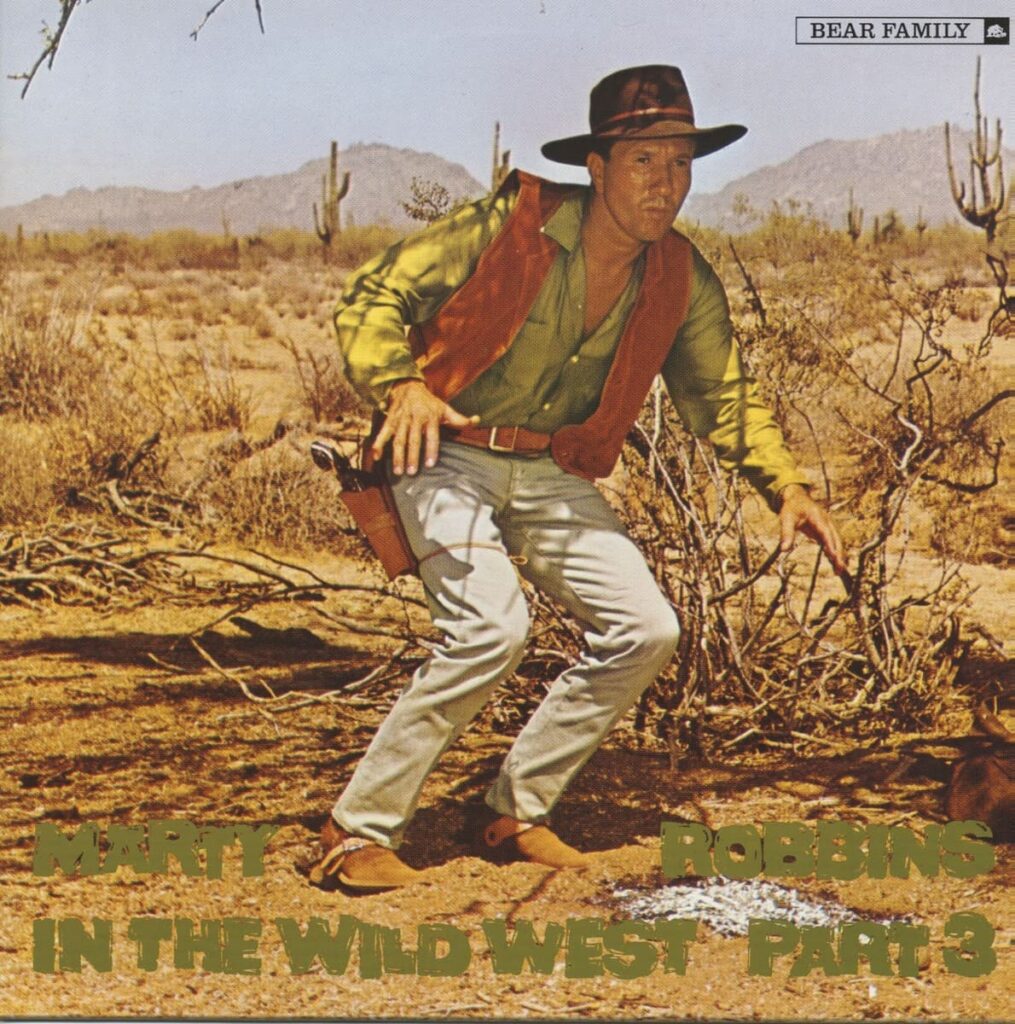
Marty Robbins – I’ll Have to Make Some Changes: A Resolute Blueprint for Rebuilding the Self
In the mid-1960s, a period defined by Marty’s transition into the “Countrypolitan” elder statesman, he recorded “I’ll Have to Make Some Changes.” Originally featured on the 1964 album R.F.D. (a title referencing “Rural Free Delivery”), this track is a masterclass in the “Gentle Balladeer’s” ability to handle themes of self-correction and moving on. While the album itself was a top-tier success, peaking at No. 4 on the Billboard Top Country Albums chart, this song stands out as a pragmatic, rather than purely emotional, response to a breakup. It is a song for anyone who has ever looked around an empty house and realized that the only way to move forward is to rearrange the furniture of their soul.
For the reader who has navigated the complexities of long-term change—whether it be retirement, the empty nest, or the end of a long chapter—this song offers a profound sense of camaraderie. Marty Robbins, with a voice that felt as familiar and sturdy as an oak table, narrates the “to-do list” of a man determined to survive. For the mature listener, “I’ll Have to Make Some Changes” captures that specific, gritty resolve where the initial tears have dried and the work of “reinventing the daily routine” begins. There is a deep, nostalgic comfort in Marty’s delivery; he doesn’t sound defeated—he sounds like a man with a plan. It reminds us that while we cannot change the past, we have absolute authority over the layout of our future.
The story behind the song is a reflection of Marty’s peak years with producer Don Law. By 1964, the “Nashville Sound” was at its most elegant, but Marty insisted on keeping a foot in the honest, conversational storytelling that his fans loved. Written by the underrated Nat Stuckey—who would later find fame with “Pop a Top”—the song was a perfect fit for Marty’s mid-century modern sensibility. In the studio, Marty understood that the key to this track was a lack of self-pity. He wasn’t playing a victim; he was playing a man taking inventory. It was this “matter-of-fact” vulnerability that allowed him to maintain his “cool” while singing about a broken heart.
The lyrical meaning of “I’ll Have to Make Some Changes” lies in its focus on the “logistics” of loneliness. The narrator talks about finding new places to eat, new roads to drive, and new friends to see—all to avoid the “ghosts” of his former life. For those of us looking back through the lens of several decades, the song resonates with the practical reality of grief. When Marty sings the refrain, his signature controlled vibrato is used with precision, adding just a hint of “shake” to show the effort behind the resolve. It is a song that honors the bravery of the “small steps”—the little adjustments we make every day to ensure the sun keeps rising.
Musically, the track is a hallmark of Mid-Sixties Nashville Balance. It features:
- A Steady, Rhythmic Bass Line: Providing a grounded, “marching forward” feel that supports the theme of progress.
- Warm, Acoustic Guitar Fills: Adding a layer of intimacy that makes the listener feel as though they are sitting in the room as Marty “makes his plans.”
- Pristine Vocal Delivery: Marty’s phrasing is remarkably clear, emphasizing the “decision-making” aspect of the lyrics.
To listen to this track today is to appreciate the “architect” in Marty Robbins. He reminds us that rebuilding a life isn’t about one grand gesture, but about a thousand small changes. It is a song that invites us to take stock of our own “rooms,” to sweep out the old dust, and to find the courage to decorate our lives anew.
 Music Legend