
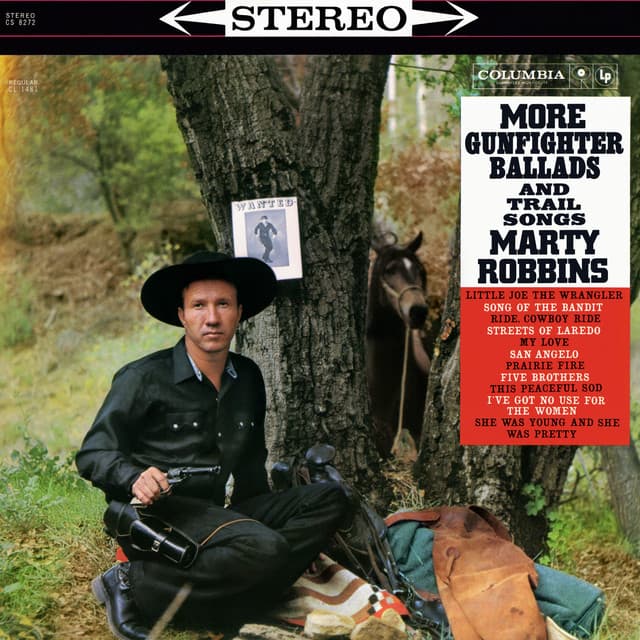
Marty Robbins – Gossip: A Weary Reflection on the Sharp Tongues of a Small Town
There is a particular kind of sting that comes from a whispered word, a pain that those of us who have lived through the close-knit social fabrics of the mid-century understand all too well. In “Gossip”, a standout track from his 1960 album More Gunfighter Ballads and Trail Songs, Marty Robbins steps away from the dusty plains of the outlaw and into the shadowed corners of the human heart. It is a song that feels like a quiet conversation held over a fence post or a darkened parlor—a meditation on how easily a reputation can be dismantled by those who “talk for the sake of talking.” For the listener who values character and the sanctity of truth, this song serves as a powerful, nostalgic reminder of the weight our words truly carry.
Historical Context and Artistic Depth
While the album More Gunfighter Ballads and Trail Songs is legendary for its tales of the Old West—peaking at number 11 on the Billboard Top Country Albums—the inclusion of “Gossip” showcased the incredible versatility of the “Gentle Giant.” Released under the Columbia Records banner during a time when Marty was the undisputed king of storytelling, this song offered a psychological depth that was rare for the era.
It wasn’t a raucous radio hit; instead, it became a deeply respected “album cut” for those who listened with intention. Coming off the heels of the massive success of “El Paso,” Marty used this track to prove that he didn’t need a six-shooter or a horse to create tension. He only needed his velvet baritone and a lyric that cut to the bone. For the sophisticated ear, this song represents Marty at his most observational, acting as a poet of the mundane tragedies that happen right in our own backyards.
The Story Behind the Song
The story of “Gossip” is one of collective betrayal. Written by Marty Robbins himself, it reflects his keen understanding of the human condition. The narrative follows a man watching his life and his love be picked apart by the “idle tongues” of his neighbors. It captures that unique, claustrophobic feeling of a small town where everyone knows your name but few know your heart.
The song was born from an era when a person’s “good name” was their most valuable currency. For our generation, who remembers the power of a local reputation, the song feels incredibly personal. Marty delivers the lines not with anger, but with a profound, weary sadness. He isn’t fighting back with shouts; he is simply documenting the damage done by “people who have nothing better to do.” The song serves as a timeless cautionary tale about the fragility of peace when it is left at the mercy of the grapevine.
A Philosophical Journey Through the Years
To hear “Gossip” today is to reflect on the nature of truth in our own lives. As we look back on the decades, we all remember a time when a rumor caused a rift or a whispered lie changed the course of a friendship. Marty’s voice, steady and mournful, acts as a companion to those memories. The way he lingers on the word “gossip” makes it sound like a physical weight—something heavy that we are all forced to carry at one point or another.
The beauty of this recording lies in its simplicity. There are no grand orchestrations, just the intimate sound of a man who has seen enough of the world to know its unkindness. For the mature listener, it is a song that invites introspection. It asks us to consider the legacy of our own words. As the final notes fade, we are left with a lingering sense of nostalgia for a time when things were perhaps more private, yet we are reminded that the “poison” of gossip is a shadow that has followed humanity through every age. It is a masterful, thinking-man’s country song that remains as relevant in the quiet of a living room today as it was in the studios of Nashville sixty years ago.
 Music Legend