
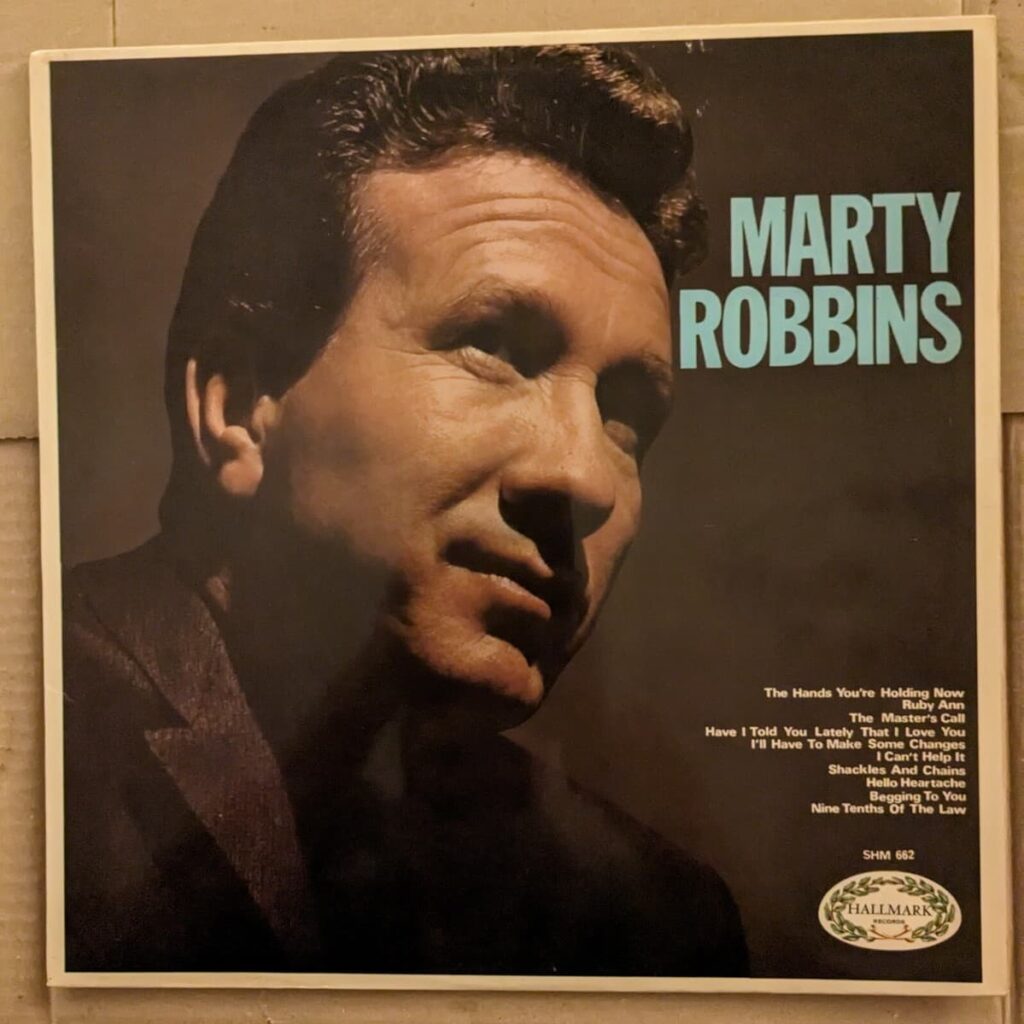
Marty Robbins – The Way I Loved You Best: A Soulful Reflection on the Purity of Past Devotion
In the vast tapestry of American music, few voices possess the power to stop time quite like that of Marty Robbins. To listen to “The Way I Loved You Best” is to settle into a high-backed chair by a window, watching the shadows lengthen as the day fades into a soft, purple twilight. For those of us who have navigated the winding corridors of many decades, this song is not merely a melody; it is a mirror reflecting the various versions of ourselves we have left behind. Recorded for his deeply evocative 1966 album The Drifter, the song stands as a quiet masterpiece of introspection, capturing the realization that while love may take many forms throughout a lifetime, there is often one specific season of the heart that shines brighter than all the rest.
Historical Significance and the Album Context
Released during a prolific era for Marty Robbins at Columbia Records, “The Way I Loved You Best” served as a cornerstone for The Drifter, an album that reached number 6 on the Billboard Top Country Albums chart. While the world in 1966 was preoccupied with the loud, swirling colors of the “Summer of Love” and the rising tide of rock and roll, Marty remained a steadfast guardian of the narrative ballad.
This track didn’t need the flashy pyrotechnics of the era’s pop music to find its mark. Instead, it relied on the “Nashville Sound” at its most refined—subtle strings, a gentle rhythmic pulse, and that unmistakable, velvet-textured baritone that could convey a world of hurt in a single sustained note. For the sophisticated listener of the time, and for those who look back now, this song represents a pinnacle of the “Gentle Giant’s” ability to blend country sincerity with the polished elegance of a classic crooner. It was a song that respected the listener’s intelligence and life experience, offering a mature perspective on the complexities of the human heart.
The Story Behind the Song
The narrative of “The Way I Loved You Best” is one of profound, almost painful honesty. Written by Don Winters, a long-time collaborator and friend who understood the emotional architecture of Marty’s voice, the song tells the story of a man looking back at a failed relationship and realizing that his most authentic self was the one who loved that specific person.
The “story” isn’t about the breakup itself, but about the lingering ghost of a feeling. It explores the idea that we are changed by the people we love; that we leave pieces of ourselves in the past that we can never quite reclaim. For our generation, who remembers the quiet intensity of early romances and the weight of “the one who got away,” the song feels like an excerpt from a private journal. It’s about the vulnerability of giving everything to someone, only to find that the person you were in that moment was the “best” version of you—a version that now only exists in the lyrics of a song and the recesses of memory.
A Philosophical Journey Through Nostalgia
To hear Marty sing the title line is to hear a man reckoning with his own history. There is no bitterness in his delivery, only a resigned, thoughtful grace. He invites us to ask ourselves: When were we at our most true? When did we love with the most abandon? For the mature listener, the beauty of this track lies in its restraint. It doesn’t demand your attention with high notes or dramatic flourishes; it earns it through the sheer weight of its sincerity.
As we listen, we are transported back to the dance halls, the long drives on two-lane highways, and the quiet nights where the only sound was the ticking of a clock and the presence of someone we once knew better than ourselves. “The Way I Loved You Best” is a tribute to the sanctity of memory. It reminds us that even if the love is gone, the fact that we were capable of such depth is a victory in itself. Marty Robbins doesn’t just sing a song here; he provides a soundtrack for our most private reflections, reminding us that the echoes of the past are sometimes the most beautiful music we will ever hear.
 Music Legend