
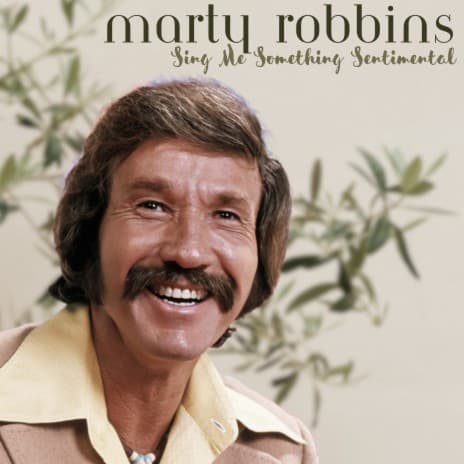
Marty Robbins – She Was Only Seventeen (He Was Five Days Past Eighteen): A Bittersweet Portrait of Youthful Innocence and the Fragility of First Love
In the waning months of 1958, a year that stood at the crossroads of traditional country storytelling and the burgeoning pop-rock revolution, Marty Robbins released a song that would become a poignant anthem for an entire generation. “She Was Only Seventeen” was more than just a radio hit; it was a mirror held up to the tender, often tumultuous transition from adolescence to adulthood. Released as a single on Columbia Records, the track climbed gracefully to #4 on the Billboard Hot Country Singles chart and even crossed over into the Billboard Hot 100, proving that the story of young love is a universal language that transcends all musical borders.
A Tapestry of Golden Memories
For those of us who remember the late fifties, this song is like an old photograph found in the back of a drawer—edges slightly frayed, but the image as clear as a mountain spring. It was a time of soda shops, varsity jackets, and the quiet weight of expectations. Marty Robbins, with his signature “velvet” voice, captured the essence of that era with a sensitivity that few of his contemporaries could match. While others were singing about rebellion, Marty was singing about the heart’s quietest vulnerabilities.
This track was recorded during a period of immense creative transition for Marty. He was beginning to move away from the rockabilly “hiccup” of his earlier hits and toward the sophisticated, story-driven ballads that would later define his legacy. In “She Was Only Seventeen”, we hear the birth of a master storyteller—a man who could paint an entire world in just under three minutes.
The Story of a Heartbeat and a Secret
The narrative of the song is a masterclass in nostalgic songwriting. It tells the story of two young souls standing on the precipice of life, caught in the intoxicating swirl of a first love that feels as though it will last forever. The lyrics are meticulously crafted to highlight the smallness of their world—the “five days” difference in their ages feels like a monumental bridge to adulthood.
“She was only seventeen / He was five days past eighteen…”
For the mature listener, there is a profound, almost aching beauty in these words. We look back now, decades later, and realize how fleeting those years truly were. Marty’s delivery isn’t just melodic; it’s empathetic. He sings not as a distant observer, but as a man who remembers exactly how it felt to have your entire universe contained within a single glance or a walk home after school. The song captures the “tragedy” of youth—the intensity of feelings that, while perhaps brief in the grand scheme of a lifetime, leave permanent marks on the soul.
The Echo of the Nashville Sound
Musically, “She Was Only Seventeen” is a stunning example of early Nashville craftsmanship. The arrangement is lush yet restrained, featuring the gentle “tic-tac” bass and the soft, harmonizing background vocals that became a staple of the Columbia recording sessions of the time. The acoustic guitar work is bright and hopeful, mirroring the optimism of the young protagonists, while a subtle steel guitar provides the melancholic undertone that hints at the inevitable passage of time.
As we revisit this classic today, we don’t just hear a song from 1958; we hear our own histories. Marty Robbins gave us a gift with this recording—a chance to briefly step back into our seventeen-year-old selves, to feel the fluttering pulse of a first romance, and to remember the world when it was still new and undiscovered. It remains a timeless testament to the fact that while we may grow old, the memories of our youth stay forever “five days past eighteen.”
 Music Legend