
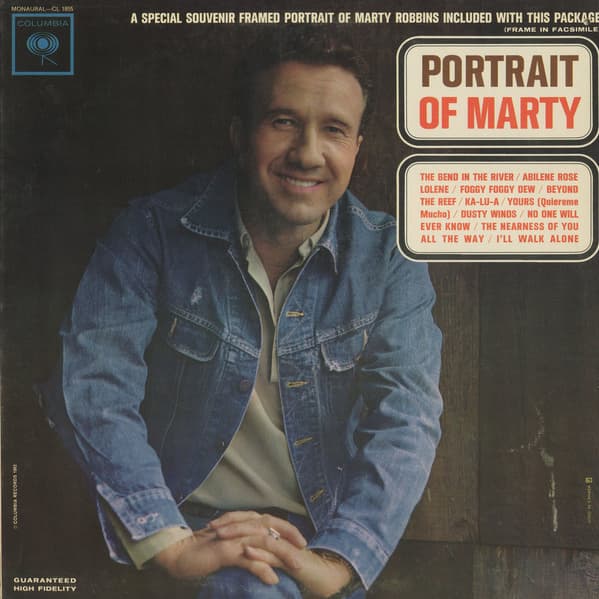
Marty Robbins – Ave Maria Morales: A Cinematic Tale of Faith, Redemption, and the Dust of the Borderlands
In 1968, as the cultural landscape was shifting toward the experimental and the loud, Marty Robbins remained the undisputed master of the narrative ballad, releasing a song that felt more like a short film than a musical track. “Ave Maria Morales” was a centerpiece of his soul-stirring album By the Time I Get to Phoenix, a record that showcased Marty’s ability to weave traditional Western themes with a sophisticated, mid-century pop sensibility. While it may not have dominated the Top 10 like his earlier gunfighter anthems, it became a beloved cult classic among his devoted followers, reaching deep into the Billboard Country charts and solidifying his reputation as a poet of the Southwest.
The Dust and the Divinity
To listen to “Ave Maria Morales” today is to be pulled into a world where the line between the sacred and the profane is as thin as a desert shadow. For those of us who grew up under the spell of Marty’s storytelling, this song evokes a powerful nostalgia for a time when music demanded your full attention. It was a time of epic westerns on the silver screen and a deep respect for the oral traditions of the border. Marty, with his unparalleled “velvet” tenor, takes us to a small, sun-bleached Mexican town where the ringing of a mission bell is the only sound for miles.
Recorded at the height of his creative powers with Columbia Records, the song represents the perfect marriage of Marty’s obsession with Spanish culture and his innate ability to find the humanity in a “bandido.”
A Ballad of the Wayward Son
The story of “Ave Maria Morales” is a gripping tragedy of a man named Morales, a man of the gun who finds himself caught between his violent life and the persistent, haunting call of faith. The narrative follows his journey as he seeks a moment of grace amidst the chaos of his existence. It is a story of a mother’s prayers, a son’s regret, and the ultimate search for peace.
“Ave Maria Morales… the bells of the mission were ringing for you.”
For the mature listener, this song is a profound reflection on the complexity of the human spirit. We understand that life is rarely lived in black and white; it is lived in the “gray” of our mistakes and our attempts to make things right. Marty’s vocal performance is breathtakingly evocative—he shifts from the gritty description of a man on the run to a soaring, prayer-like refrain that sends chills down the spine. It reminds us of the times in our own lives when we’ve looked for a sign, a sanctuary, or a way back to the innocence we once knew.
The Sound of the High Desert
The production of “Ave Maria Morales” is a masterpiece of atmosphere. It features the iconic Spanish guitar flourishes that became Marty’s trademark—fast, intricate, and full of fire. The arrangement is bolstered by a dramatic, sweeping orchestral backing and a choral arrangement that mimics the sound of a cathedral choir, creating a “widescreen” audio experience. The tempo mimics the frantic heartbeat of a man in flight, yet holds a steady, majestic dignity.
As we revisit this classic, we are reminded that Marty Robbins was more than a singer; he was a bridge between worlds. “Ave Maria Morales” is a nostalgic masterpiece because it captures the eternal struggle of the soul with a beauty that is both haunting and hopeful. It is a song for the quiet hours of the night, when the memories of the past come calling like the mission bells in a distant town, reminding us that no matter how far we wander, the light of home—and hope—is never truly extinguished.
 Music Legend