
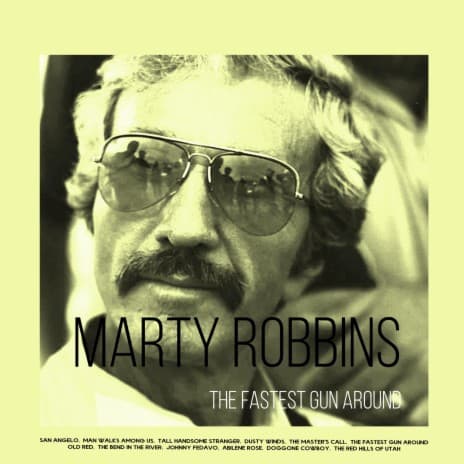
Marty Robbins – “The Wreck of the Number Nine”: A “High-Fidelity” Locomotive Tragedy and the Echoes of the Iron Rail
In the sophisticated, gold-tinged landscape of 1960, Marty Robbins released a recording that would become a definitive “rhythmic” heartbeat of his storytelling era. Included on the album “More Gunfighter Ballads and Trail Songs,” the track “The Wreck of the Number Nine” stands as a profound “high-level” exploration of the American railroad tradition. For those of us who remember the dawn of the sixties—the era of the Columbia Records “360 Sound” and the steady, analog hum of the passenger train—this song was a visceral experience. It caught the “Gentle Giant” of the Western ballad at a vocal peak where his crystalline, “velvet” tenor could inhabit the tragic psyche of the brave engineer.
The “story” behind “The Wreck of the Number Nine” is a masterclass in the “mini-movie” style of songwriting. Originally a folk standard dating back to the 1920s, the narrative follows an engineer who kisses his sweetheart goodbye, promising to return, only to meet his fate in a high-speed collision on a foggy night. Marty’s delivery is a study in rhythmic authority; he uses his signature behind-the-beat phrasing to create a sense of momentum that mimics the very chug and whistle of the locomotive. It was an era where the “Nashville Sound” was embracing the epic themes of technology and tragedy, and Marty was its most sophisticated architect. He proved that a song about a “wreck” didn’t need to be loud to be powerful; it simply needed to be phrased with the impeccable timing and soulful sincerity that were his trademarks.
For the sophisticated listener who has navigated the “highways and railways” of several decades, hearing Marty sing “The Wreck of the Number Nine” today is a deeply evocative experience. It brings back memories of wood-paneled dens, the distinctive smell of a fresh LP, and the realization that as we reach our silver years, the “iron horses” of our youth have largely faded into history. The lyrics speak to a universal human experience of duty and the unpredictable “forks in the road” of life. For a “qualified” reader who has seen the world change from the steady principles of the fifties to the digital pace of today, this song is a profound mirror of our own resilience and the quiet dignity of a heart that respects the weight of a promise.
The meaning of “The Wreck of the Number Nine” lies in its unapologetic celebration of the American worker’s spirit. Marty Robbins possessed the unique, almost magical gift of being a “vocal chameleon” who could inhabit the soul of a railman with total, soulful sincerity. As we reflect on this 1960 masterpiece today, through the lens of our own decades of experience, we see it as more than just a track on a “Gunfighter” album; it is a testament to the enduring power of the narrative song to capture the spirit of a nation. The Master Storyteller may have eventually returned to the “El Paso” desert, but in the shimmering, rhythmic notes of this song, he remains the eternal conductor of our most nostalgic reflections. To listen to it now is to sit once more with Marty, acknowledging that while the “Number Nine” reached its final station, its “velvet” echoes remain eternally clear.
 Music Legend