
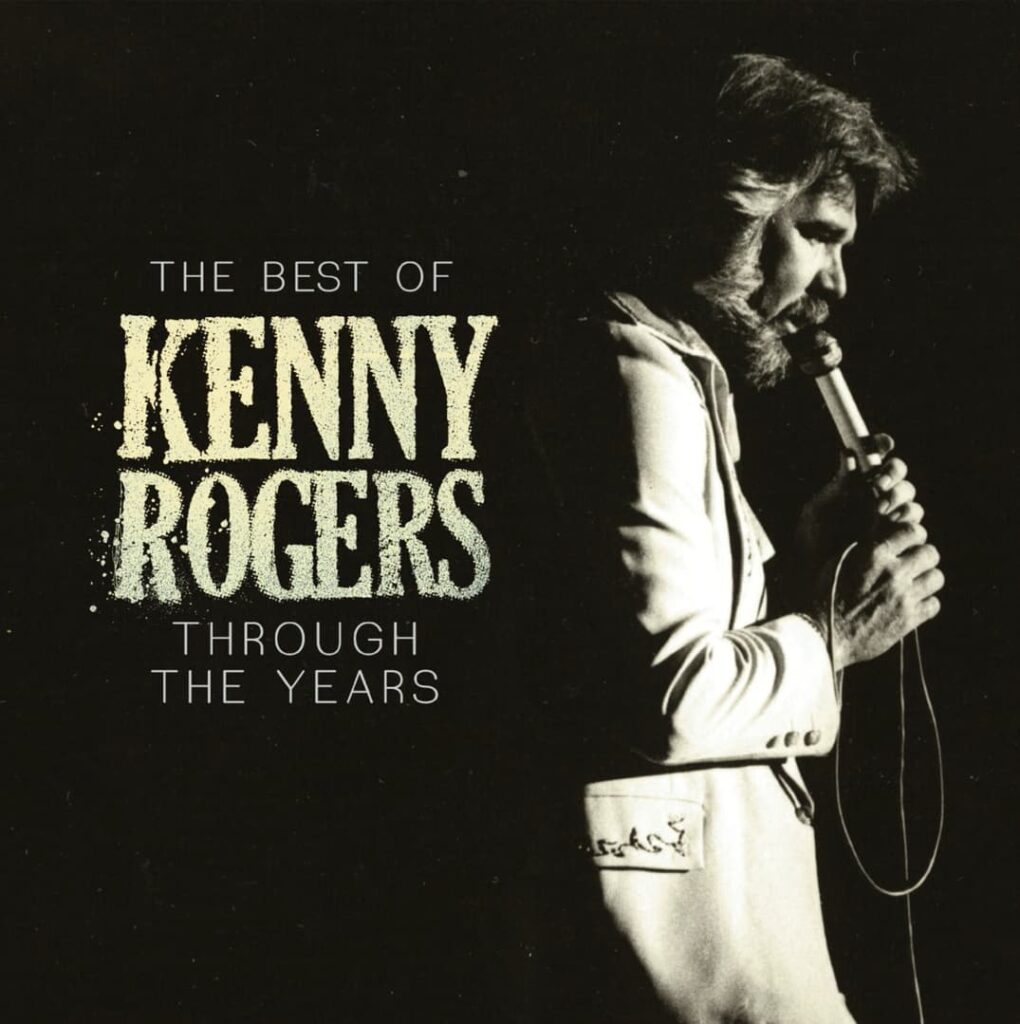
enny Rogers’ “The Gambler”: A Masterpiece of Life Philosophy Disguised as a Card Game
There are songs that simply entertain, and then there are those that become woven into the fabric of a generation—timeless parables delivered with such gravitas that they instantly feel like familiar wisdom. Kenny Rogers’ iconic 1978 hit, “The Gambler,” belongs squarely in the latter category. It’s far more than a tale about poker; it’s a profound meditation on navigating life’s unpredictable odds, delivered with the warm, reassuring authority that only Kenny Rogers could muster.
The song’s success was monumental, cementing Rogers’ transition from a pop-rock artist (with The First Edition) to one of the biggest country-pop stars the world had ever known. Released in late 1978 on the album of the same name, “The Gambler” wasted no time in capturing the public’s imagination. It rose triumphantly to Number 1 on the Billboard Hot Country Songs chart and demonstrated its cross-genre appeal by peaking at Number 16 on the Billboard Hot 100 chart. Internationally, it was a massive success, charting high across Europe and eventually winning Rogers the Grammy Award for Best Male Country Vocal Performance in 1980. The song’s chart dominance and critical acclaim confirmed its status as an instant classic and a cultural touchstone.
Interestingly, “The Gambler” was not originally written for Kenny Rogers. The song, penned by the legendary songwriter Don Schlitz, was first recorded by two other country singers—Bobby Bare in 1978 and later by Johnny Cash (though Cash’s version was not released until 1979)—but neither achieved the widespread recognition that Rogers’ rendition did. There was something about Rogers’ distinctive, gravel-and-silk voice, his impeccable phrasing, and the song’s lush production that elevated it from a good story to a grand, cinematic experience. Schlitz’s lyrical brilliance found its perfect vessel in Rogers.
The story itself is simplicity refined: two men, a young traveler and an old, world-weary gambler, share a train ride and a bottle of whiskey. The old man, in exchange for the whiskey, imparts the essential wisdom of card-playing—the crucial moment comes when the gambler delivers the unforgettable, universally applicable lesson: “You got to know when to hold ’em, know when to fold ’em / Know when to walk away, and know when to run.”
This is where the true meaning of the song lies, and why it resonated so deeply with those of us navigating the complex adult world in the late 70s and early 80s. The cards are a metaphor for the chances, the risks, the relationships, and the career paths that life deals you. The song is a guide to discernment and self-preservation. It teaches us that courage isn’t just about fighting until the end; it’s often about the quiet strength to recognize a lost cause and save your resources for the next hand. For many of us, this song served as a subtle soundtrack to major life decisions, a gentle voice advising caution and courage in equal measure.
The Gambler character became so beloved that it spawned five highly successful television movies starring Kenny Rogers, further immortalizing the song’s narrative. This enduring legacy speaks to the profound, almost philosophical quality of the writing. It’s a song about taking responsibility for your choices, understanding the rhythm of fate, and never betting more than you can afford to lose.
Listening to “The Gambler” now is like sitting down with a beloved mentor. It conjures memories of a time when we were perhaps making those big, scary bets in life—on a new job, a new home, or a new love—and the wisdom of that old man on the train felt particularly reassuring. It is a brilliant piece of storytelling, a hallmark of Kenny Rogers’ unparalleled career, and a lyrical treasure that will continue to pass its sage advice to generations to come.
 Music Legend