
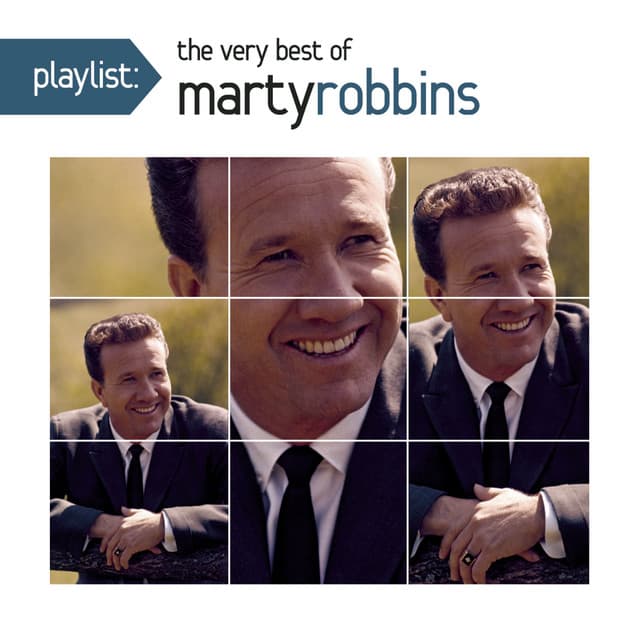
Marty Robbins’ “Born To Lose”: The Eternal Lament of a Soul Destined for Failure
There are songs that aren’t sweeping cowboy epics or tender romantic ballads, but rather an agonizingly honest admission of fate. Marty Robbins’ recording of “Born To Lose,” released during the peak of the Country/Western era, is precisely such a lament. It is a song whose simple title encapsulates its entire meaning: the deep, unshakable feeling that no matter how hard you try, you are ultimately destined for failure and loneliness.
The song “Born To Lose” is a timeless classic with a long history, originally written by Frankie Brown (real name Ted Daffan) and first released in the early 1940s. It quickly became a standard of the Country and Blues genres, covered by giants like Ray Charles, Johnny Cash, and Nat King Cole. Marty Robbins’ version was featured on his seminal 1959 album, Gunfighter Ballads and Trail Songs. While the album is famed for its cowboy narratives, the inclusion of a pure Blues/Country track defined by self-acknowledged sorrow like “Born To Lose” added significant emotional depth to Robbins’ body of work.
While Robbins’ rendition was not one of his massive chart-topping singles (as the song was already a standard), it was crucial in shaping his artistic image. It solidified his ability to handle the most genuine, sad, and universal emotions. The song helped Robbins demonstrate that his voice, capable of telling adventurous tales, could also convey profound personal despair with equal conviction. For loyal Robbins fans, this song is an essential part of his catalogue of internalized sadness.
The core meaning of “Born To Lose” is the acceptance of a tragic destiny and helplessness in the face of love. The narrator sees himself as a person born solely for loss. Even when he finds love, he knows he cannot hold onto it because it is his personal fate. The lyrics express a deep weariness and resignation: “I was born to lose, and now my loss is complete.” This is not self-pity, but a chilly, objective observation of the pattern of his life: he is a permanent “loser” in the game of love and life.
For our generation, who have weathered life’s inevitable ups and downs, this song carries a sad nostalgia. It brings back memories of days when people faced hardship with quiet fortitude rather than loud complaint. Marty Robbins delivers this song with a calm yet powerful intensity, never sensationalizing the pain but simply stating it as undeniable fact. The feeling is that this sadness has existed for so long that it is no longer a shock, but simply the truth. It is the perfect ballad for moments of solitude and contemplation on the wrong turns that led to loneliness.
“Born To Lose” is a brilliant gem in Marty Robbins’ legacy, a reminder that sometimes, the greatest songs are those that speak to the shared, melancholic truth of the human condition—the sorrow that, despite all our hopes, a part of us always feels like we were born to lose.
 Music Legend