
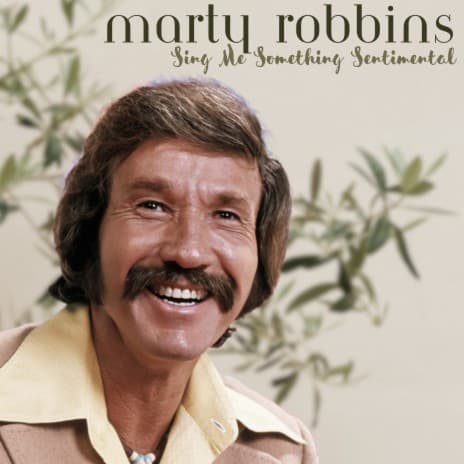
Marty Robbins – Billy Venero: A Haunting Ode to the Code of the Old West and the Price of Vengeance
There are songs that simply entertain, and then there are those that transport you entirely—embedding you deep within a landscape of dust, duty, and tragic human error. Marty Robbins’ masterful rendition of “Billy Venero,” found on his legendary 1959 album, Gunfighter Ballads and Trail Songs, belongs firmly in the latter category. This track is less a song and more a meticulously crafted piece of Western mythology, steeped in the honor, the stark justice, and the somber loneliness that defined the American frontier. It’s a chilling narrative, delivered with the kind of smooth, resonant authority that only Robbins could command, making it essential listening for anyone who understands that the soul of the West was built on more than just quick draws.
While “Billy Venero” has become indelibly linked to Marty Robbins, a crucial detail for any true connoisseur of the genre is its origin: the song is a traditional piece, popularized earlier by iconic figures like Carl T. Sprague and Jimmie Rodgers. However, it is Robbins’ haunting, cinematic treatment—surrounded by the other giants of the genre on his pivotal Gunfighter Ballads album—that gave it its most enduring, beloved form. That album, released in a year that defined the sonic landscape of the West, peaked at a respectable Number 6 on the Billboard Pop Albums chart, proving that the public was deeply invested in these rich, dramatic tales.
The narrative arc of “Billy Venero” is deceptively simple yet profoundly moving. It tells the story of the titular character, a young cowboy driven by a solemn duty: to avenge the murder of his dear friend, the Ranger Captain, by the ruthless outlaw Pedro. The song doesn’t rush the action; instead, it savors the tension, detailing Billy’s pursuit through the dusty, unforgiving terrain. We feel the weight of the oath he has taken, and we understand that in this world, such vows are bonds forged in blood and held sacred above all else.
The emotional core of the ballad, however, lies in its bittersweet climax. After a lengthy and perilous chase, Billy finally catches up to Pedro and, in a swift act of frontier justice, executes his revenge. But the moment of triumph is instantly marred by a cruel, devastating twist. As Pedro lies dying, Billy discovers the outlaw is not the hardened villain he imagined, but a boy, barely out of his teens, with a face “so fair” and an expression of deep, mournful regret. This revelation shatters Billy’s sense of righteous satisfaction.
The profound meaning of the song resonates deeply with the older listener because it speaks to the loss of innocence and the tragic cost of blind adherence to a code. Billy Venero carries out his duty, but he realizes too late that the revenge he sought brought no peace, only a new, paralyzing form of regret. The song becomes a meditation on the fact that every villain has a mother, every tragedy has a young face, and the line between hero and executioner can be tragically thin.
Through Marty Robbins’ smooth, almost conversational delivery, backed by the sparse, echoing sounds of the Old West, “Billy Venero” is transformed into a haunting legend. It is a timeless narrative that asks us to consider the price of vengeance and reminds us that in the desolate beauty of the West, the greatest burden was often carried not by the dead, but by the one who lived to tell the tale.
 Music Legend