
A quiet country lament where fading love is measured against blooming roses and unspoken resignation
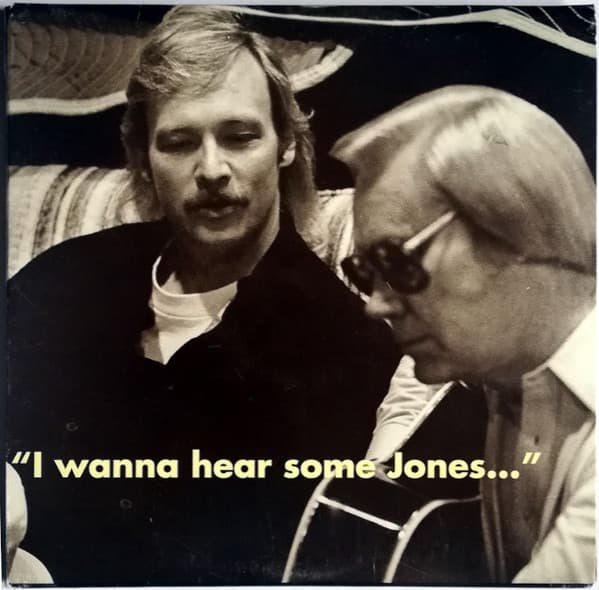
When Good Year For The Roses is mentioned, its history cannot be separated from the voice that first gave it life. Written by Jerry Chesnut, the song was originally recorded by George Jones and released in late 1969, reaching number two on the Billboard Hot Country Singles chart in early 1970. It quickly became one of the most defining performances of his career, not because it was loud or dramatic, but because it was devastating in its restraint. Decades later, when Alan Jackson & George Jones recorded the song together, the moment carried the weight of lineage, respect, and shared understanding. The duet version, released in 2010 on Alan Jackson’s album Good Time, was not issued as a chart single, yet its importance lay far beyond numbers. It was a conversation across generations, held in the same quiet language of country truth.
By the time Alan Jackson invited George Jones to revisit Good Year For The Roses, both artists were firmly established as keepers of tradition. Jones, often called the greatest country singer of all time, had lived through the very emotions the song describes. Jackson, deeply influenced by Jones both musically and philosophically, understood that this was not a song to be reinvented. It was a song to be honored. Their collaboration feels less like a duet and more like a passing of the torch, one voice seasoned by hardship, the other shaped by reverence.
The story behind Good Year For The Roses is deceptively simple. A man returns home to find his wife gone. The house is quiet, the table bare, the note painfully brief. Outside, the roses are blooming better than ever. Life, indifferent and cruel in its timing, continues beautifully while something essential has ended. What makes the song extraordinary is its refusal to dramatize the moment. There are no accusations, no raised voices. The narrator does not curse his fate. He observes it. That observation, delivered with calm resignation, is where the heartbreak lives.
In the original recording, George Jones sings as though he is standing still, barely breathing, afraid that too much emotion might shatter him. His voice carries exhaustion rather than anger. When Alan Jackson joins him in the later duet, the effect deepens. Jackson does not challenge Jones’s interpretation. He steps beside it. His tone is respectful, subdued, and measured, allowing Jones to remain the emotional center while gently reinforcing the song’s timelessness.
Musically, the arrangement remains faithful to classic country structure. There is no excess instrumentation, no attempt to modernize the sound. Steel guitar weeps softly in the background, the rhythm section stays restrained, and the melody moves with deliberate patience. This simplicity allows the lyrics to take full command. Every word lands because nothing distracts from it. The roses blooming outside the door become a symbol not of hope, but of cruel contrast. Nature thrives while human connection quietly dissolves.
The meaning of Good Year For The Roses lies in its emotional maturity. It understands that not all endings arrive with confrontation. Some arrive quietly, leaving behind unanswered questions and rooms filled with absence. The song captures the moment when realization replaces denial, when a person understands that love has already left the building. In this sense, the roses are not mocking. They are indifferent, and that indifference is what hurts most.
For George Jones, the song marked a creative peak during a turbulent period in his life. It showcased his unmatched ability to convey vulnerability without sentimentality. For Alan Jackson, recording the song alongside Jones was both a tribute and a statement of values. It affirmed his commitment to traditional storytelling, to songs that prioritize emotional truth over novelty.
Listening to the duet version today carries a particular weight. Knowing that George Jones was nearing the final chapter of his life adds a layer of poignancy that cannot be ignored. His voice, weathered yet steady, sounds like lived experience distilled into sound. Alan Jackson’s presence feels like quiet acknowledgment, a recognition of debt and gratitude.
Good Year For The Roses endures because it does not ask to be felt immediately. It waits. Like the roses themselves, it blooms slowly, revealing its meaning over time. In the hands of Alan Jackson & George Jones, the song becomes more than a classic revisited. It becomes a shared reflection on love lost, dignity preserved, and the strange way beauty continues even when something essential has gone missing.