
A gentle Christmas tale about kindness and belonging, where a simple song taught the world how difference can become light
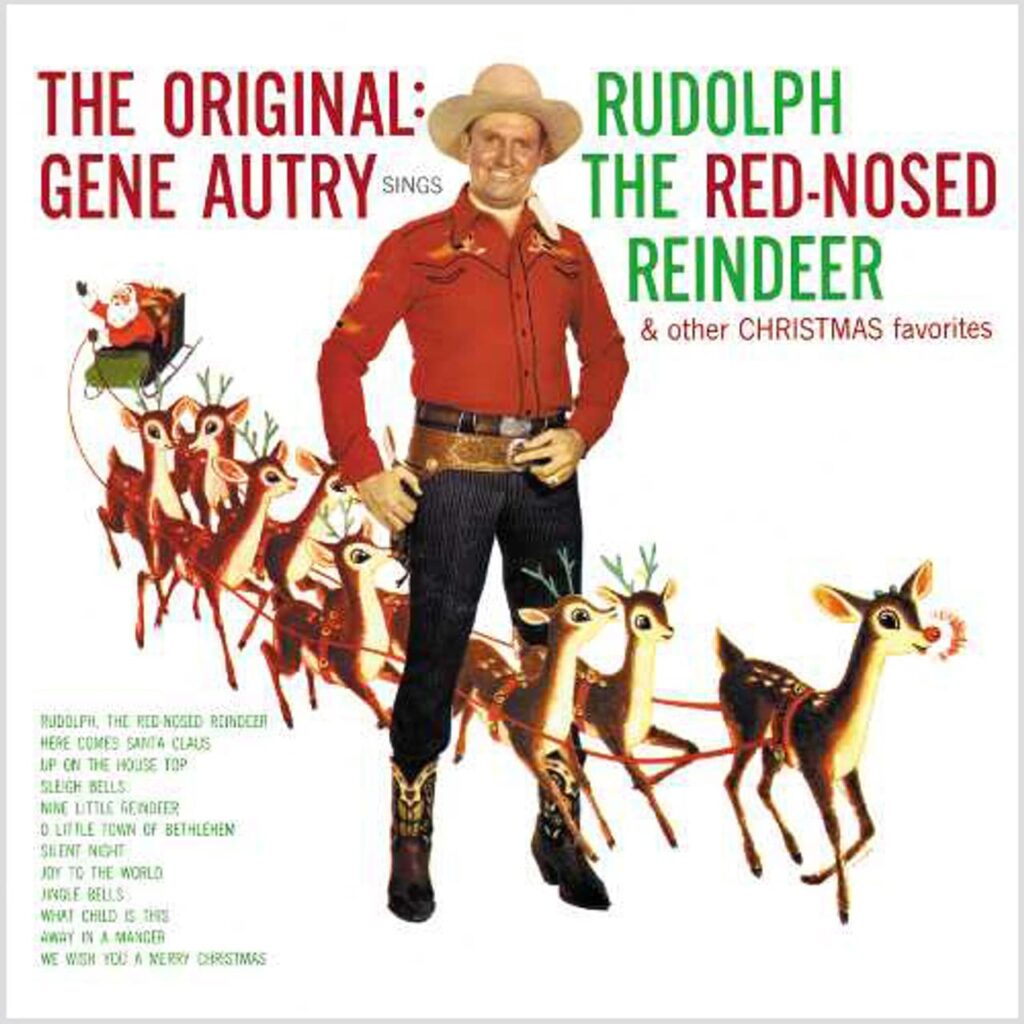
When Gene Autry released Rudolph the Red Nosed Reindeer in 1949, he could not have known that he was giving voice to one of the most enduring moral fables in popular music. At a time when Christmas songs often leaned toward reverence or cheerful spectacle, this recording arrived with a quieter purpose. It told a story. It offered a lesson. And it did so with warmth rather than instruction. Almost immediately, the song captured the public imagination, reaching number one on the Billboard pop singles chart during the 1949 holiday season and becoming one of the fastest selling records of its era. By the end of that year, it had sold over two million copies, an extraordinary achievement for a seasonal release.
The origins of Rudolph the Red Nosed Reindeer are as humble and heartfelt as the song itself. The character of Rudolph was created in 1939 by Robert L. May, a copywriter for the Montgomery Ward department store, as part of a promotional booklet meant to be given away to children during Christmas. May’s story of a small reindeer with a glowing nose, initially mocked and excluded, but ultimately embraced for his uniqueness, struck a deep emotional chord. A decade later, May’s brother in law Johnny Marks adapted the story into song, transforming a simple retail giveaway into a modern folk tale.
It was Gene Autry, already beloved as the Singing Cowboy and a symbol of decency and reassurance in American culture, who brought the song to life. His interpretation was calm and conversational, never overstated. Autry reportedly hesitated at first, unsure whether a novelty Christmas song fit his image, but he trusted the story. That instinct proved correct. His recording turned Rudolph the Red Nosed Reindeer into more than a children’s song. It became a shared ritual, something passed from one generation to the next without losing its meaning.
Musically, the song is built on simplicity. The melody is straightforward, almost nursery like, allowing the narrative to remain at the center. There is no unnecessary ornamentation. The arrangement supports the words rather than competing with them. Gene Autry sings not as a performer commanding attention, but as a storyteller seated comfortably beside the listener, guiding them gently through Rudolph’s journey from isolation to acceptance.
The emotional power of Rudolph the Red Nosed Reindeer lies in its restraint. The song does not rush toward triumph. It lingers on rejection and loneliness, acknowledging the pain of being different before offering resolution. When Santa finally recognizes Rudolph’s value, the moment feels earned rather than sentimental. The red nose, once a source of shame, becomes a beacon. In that transformation, the song offers a message that has remained quietly radical. Worth is not found in conformity, but in the courage to remain visible.
Within Gene Autry’s career, this song occupies a special place. Known for Western ballads and patriotic anthems, Autry here embraced vulnerability. His performance lacks irony or exaggeration. He trusts the sincerity of the story and invites the listener to do the same. That trust is a large part of why the song endures. It never talks down. It never winks. It believes in its own kindness.
Over the decades, Rudolph the Red Nosed Reindeer has been recorded by countless artists, adapted into animated specials, and woven into the fabric of holiday tradition. Yet Autry’s original version remains definitive. There is something irreplaceable about hearing the song as it was first offered to the world, free of nostalgia, before it became an institution. In his voice, Rudolph is not yet a legend. He is simply a small reindeer hoping to belong.
Listening to Rudolph the Red Nosed Reindeer today is like opening a well worn Christmas card from long ago. The edges may be softened by time, but the message remains clear. Through Gene Autry’s gentle delivery, the song reminds us that compassion is often quiet, that acceptance can arrive unexpectedly, and that even the simplest stories, when told with honesty, can illuminate the darkest winter night.