
A song that turns a simple parade moment into lasting Christmas joy, where innocence, community, and belief walk hand in hand
When Gene Autry first recorded Here Comes Santa Claus (Right Down Santa Claus Lane) in 1947, he could not have known that he was about to redefine the sound of Christmas for generations to come. Yet from the moment the song reached the public, it carried a spirit so immediate and sincere that it felt as though it had always existed. Upon its release, the song became an instant success, reaching No. 1 on the Billboard Best Sellers in Stores chart and also topping the Billboard Airplay chart the same year. Its popularity was swift and unmistakable, confirming Gene Autry once again as a central figure in shaping the musical language of the American holiday season.
The story behind Here Comes Santa Claus (Right Down Santa Claus Lane) is as charming as the song itself. Autry co wrote the song with Oakley Haldeman after attending the annual Santa Claus Lane Christmas Parade in Hollywood. As Santa Claus made his way down the street, crowds of children lined the sidewalks, chanting “Here comes Santa Claus” with unfiltered excitement. Autry, ever attentive to moments that captured collective emotion, recognized instantly that he was witnessing something special. The phrase stayed with him, and by the end of the parade, the song had begun to take shape, rooted not in commercial calculation but in shared joy.
Musically, the song is bright, welcoming, and deliberately uncomplicated. Its melody is easy to follow, its rhythm gently upbeat, inviting listeners to step into the scene it describes. Unlike more ornate Christmas compositions, Here Comes Santa Claus (Right Down Santa Claus Lane) relies on clarity and repetition, reinforcing its message of togetherness and goodwill. The arrangement balances festive cheer with restraint, allowing Gene Autry’s familiar, reassuring voice to guide the listener through the celebration.
Lyrically, the song emphasizes unity over spectacle. While Santa Claus is the central figure, the focus remains on people gathering, children believing, and communities coming together. There is a subtle moral clarity woven into the verses, reminding listeners to be kind, fair, and grateful. Faith and generosity are presented not as obligations, but as natural extensions of the season’s spirit. This approach reflects Gene Autry’s long standing image as a wholesome and trustworthy presence in American culture.
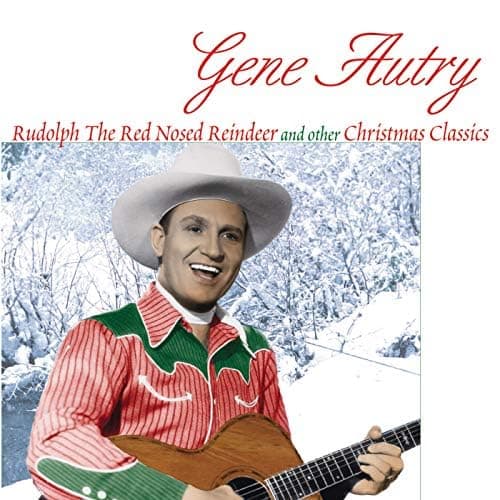
By 1947, Gene Autry was already widely recognized as “America’s Singing Cowboy,” with a career spanning music, film, and radio. His earlier success with Rudolph the Red Nosed Reindeer had firmly established him as a defining voice of Christmas. Here Comes Santa Claus (Right Down Santa Claus Lane) reinforced that legacy, offering a different emotional texture. Where Rudolph tells a story of acceptance and transformation, Here Comes Santa Claus captures a moment, fleeting yet eternal, where anticipation fills the air and belief feels effortless.
The song’s success was not limited to its initial release. Over the decades, it has been recorded by numerous artists, yet Gene Autry’s original version remains the definitive one. There is a warmth in his delivery that cannot be replicated, a sense that he is not merely singing about the season, but welcoming it personally. That authenticity is why the song continues to appear in holiday playlists, films, and broadcasts year after year.
Within the broader history of Christmas music, Here Comes Santa Claus (Right Down Santa Claus Lane) represents a turning point. It helped shift holiday songs away from solemn tradition toward shared experience, reflecting a post war desire for normalcy, joy, and togetherness. Its success demonstrated that Christmas music could be both commercially popular and emotionally genuine, without sacrificing either quality.
Listening to Here Comes Santa Claus (Right Down Santa Claus Lane) today feels like stepping into a familiar ritual that has lost none of its meaning. The song does not rely on nostalgia alone. It recreates the very feeling that made it beloved in the first place, the sound of excitement approaching from down the street, the promise of generosity, and the quiet reassurance that some traditions endure because they speak to something timeless.
In the voice of Gene Autry, this song becomes more than a holiday tune. It becomes a shared memory, revisited each year with the same sense of welcome and wonder. It stands as a reminder that music, at its best, does not age. It simply waits, patiently, for the moment when we are ready to hear it again.