
A gentle country meditation on love’s impermanence and the quiet wisdom earned through letting go
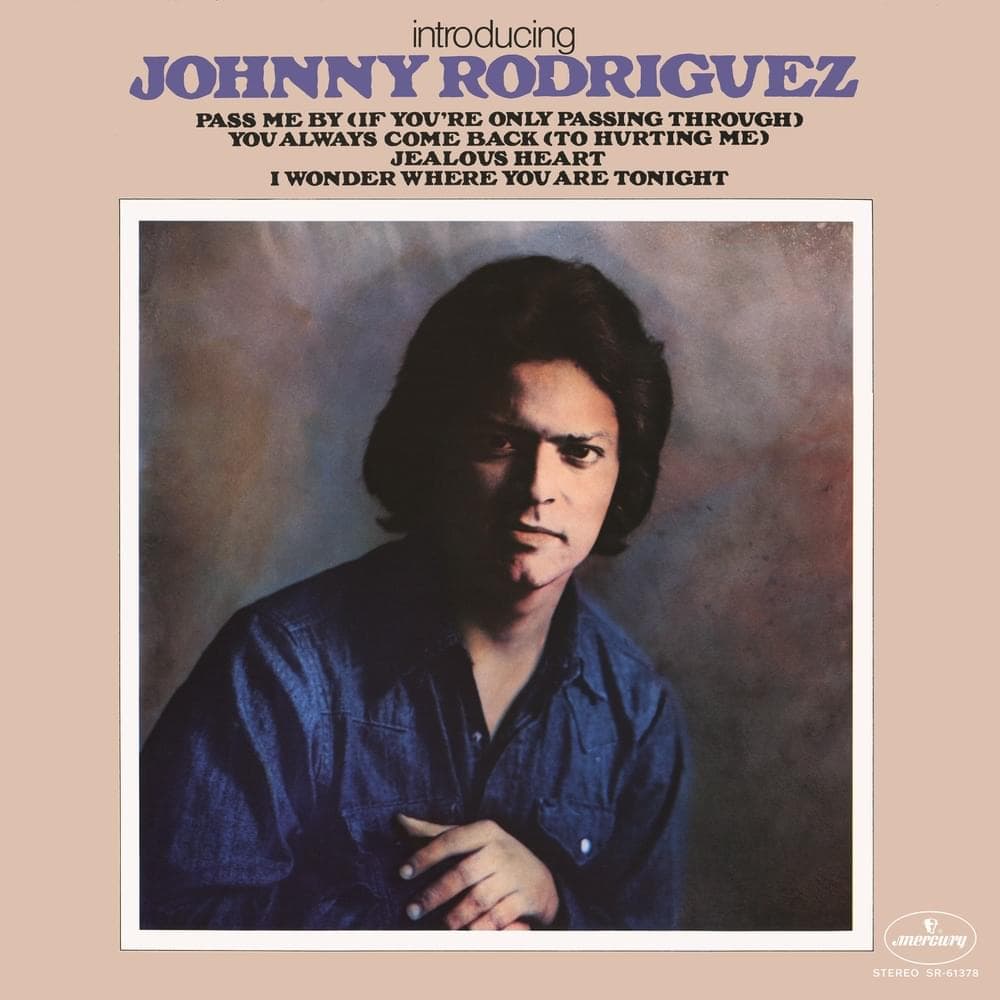
When “Easy Come, Easy Go” was released by Johnny Rodriguez in late 1972, it marked a defining moment not only in his career but in the emotional language of early seventies country music. The song rose steadily to reach No. 1 on the Billboard Hot Country Singles chart in 1973, confirming Rodriguez as one of the most authentic and resonant new voices in Nashville at the time. Appearing on his debut album Introducing Johnny Rodriguez, the song announced an artist who did not rely on bravado or spectacle, but on lived feeling, restraint, and truth told plainly.
By the early 1970s, country music was standing at a crossroads. The polished Nashville Sound still lingered, while a new generation of singers began reintroducing grit, personal history, and emotional realism. Johnny Rodriguez, with his soft Texas accent and unforced delivery, arrived as a bridge between traditions. “Easy Come, Easy Go” fit perfectly into that moment. It sounded timeless even then, as if it had always existed, waiting for the right voice to carry it.
The song’s premise is deceptively simple. Love arrives. Love departs. What is gained easily may be lost just as easily. Yet within that simplicity lies its power. The lyrics do not rage against loss, nor do they beg for permanence. Instead, they accept the rhythm of life with a quiet dignity. There is sadness here, certainly, but also understanding. The song recognizes that not every love is meant to stay, and that wisdom sometimes comes from learning when not to hold too tightly.
Musically, “Easy Come, Easy Go” is built on gentle acoustic textures and a relaxed tempo that allows the story to breathe. The arrangement never overshadows the voice. Each note feels placed with intention, leaving space for reflection. This measured pacing mirrors the emotional stance of the song itself, calm on the surface, deeper underneath.
Johnny Rodriguez’s vocal performance is central to the song’s enduring impact. He sings without theatrical flourish, letting the words carry their own weight. His tone conveys acceptance rather than bitterness, a quality that sets this song apart from many heartbreak narratives of the era. It feels like a man speaking from experience, not from momentary pain, but from a place where emotion has settled into memory.
The story behind “Easy Come, Easy Go” aligns closely with Rodriguez’s early life. Raised in Texas and shaped by hardship, loss, and resilience, he brought an unmistakable sincerity to his recordings. While the song itself was written by professional Nashville songwriters, Rodriguez made it his own through interpretation. He did not perform it as a lesson to be taught, but as a truth already learned.
Upon reaching No. 1, the song helped establish a remarkable run of success. Within a short span, Johnny Rodriguez became one of the first Mexican American artists to achieve major prominence in country music, a fact that added quiet significance to every record he released. Yet “Easy Come, Easy Go” remains special because it does not sound like a breakthrough. It sounds like a conversation held late in the evening, when honesty comes naturally.
Over time, the song has come to represent more than its chart position. It stands as a reminder of a period when country music trusted understatement. When emotion was conveyed through tone rather than volume, and when acceptance was considered as powerful as longing. “Easy Come, Easy Go” does not promise happy endings. It offers something more durable: perspective.
Listening to the song today feels like opening an old letter, one written with care and without urgency. It speaks to moments when love passed through life briefly but left a lasting imprint. Johnny Rodriguez understood that such moments deserved respect, not regret.
In the landscape of classic country, “Easy Come, Easy Go” endures because it tells a universal story without insisting on drama. It honors love for what it was, accepts its passing, and moves forward without bitterness. Few songs manage that balance so gracefully.