
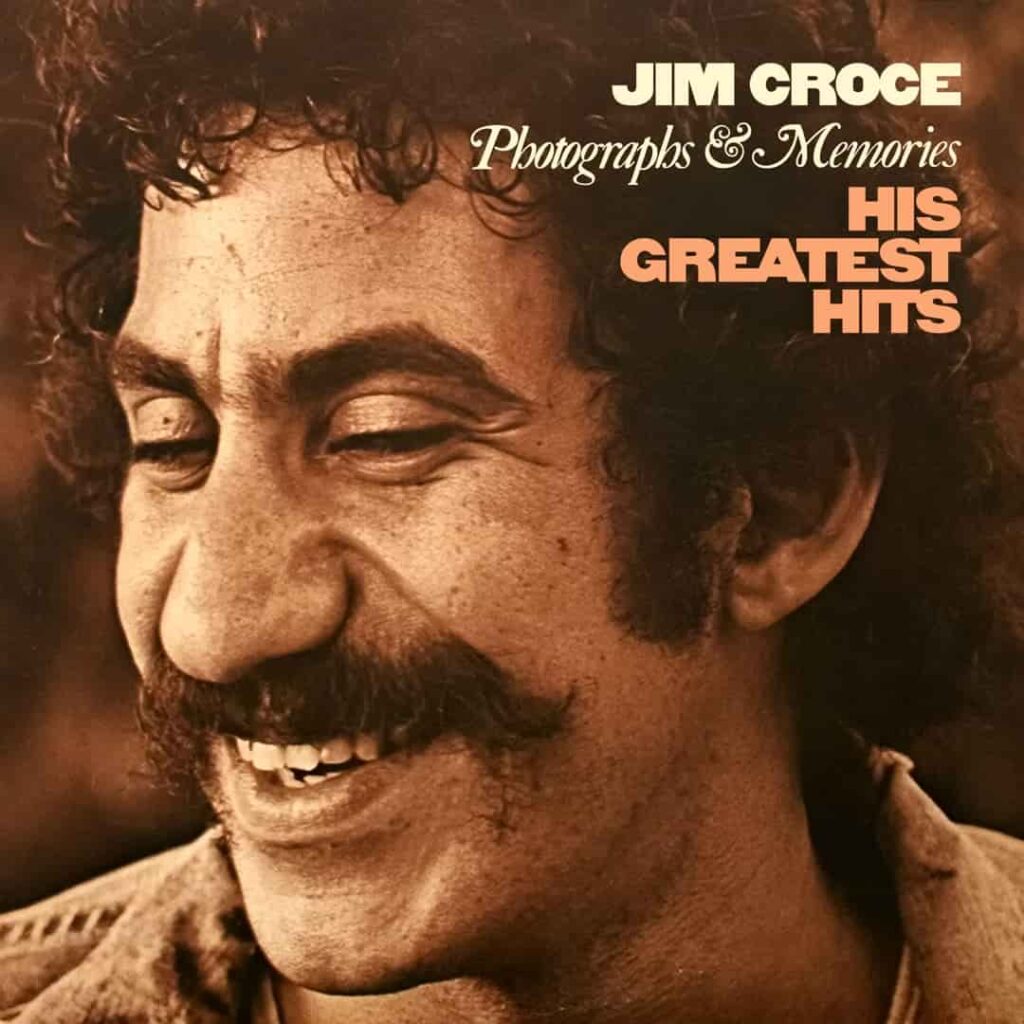
A Gentle Voice That Turned Ordinary Lives into Lasting Songs of Memory
Remembering Jim Croce on what would have been his 83rd birthday is not merely an act of nostalgia. It is an acknowledgment of a songwriter whose brief life left behind a body of work that still feels lived in, honest, and quietly profound. Born on January 10, 1943 in South Philadelphia and gone far too soon on September 20, 1973, Jim Croce occupies a rare place in popular music. His songs do not shout for attention. They sit beside the listener, speak plainly, and stay long after the last note fades.
The most important facts of his career deserve to be stated early, because they frame everything that followed. Jim Croce achieved mainstream success in the early 1970s after years of obscurity, financial hardship, and relentless touring. His breakthrough album You Don’t Mess Around with Jim, released in 1972 on ABC Records, reached No. 2 on the Billboard 200. From that record came two Top 10 singles. You Don’t Mess Around with Jim peaked at No. 8 on the Billboard Hot 100, while Operator (That’s Not the Way It Feels) climbed to No. 17. These were not novelty hits. They were character studies set to melody, built on acoustic guitar, conversational phrasing, and emotional restraint.
Croce’s next album, Life and Times, released in 1973, confirmed that his success was no accident. The single Bad, Bad Leroy Brown reached No. 1 on the Billboard Hot 100 in July 1973, making it his biggest hit during his lifetime. The song’s playful bravado masked a deeper skill. Croce could write vivid stories with cinematic clarity using remarkably few words. Leroy Brown felt like someone the listener had already met, perhaps years earlier, in a bar or on a street corner.
Yet numbers alone do not explain why Jim Croce still matters. The true meaning of his songs lies in their emotional economy. Croce wrote about working people, complicated friendships, faded love, and the quiet resignation that comes with age and experience. Time in a Bottle, written for his infant son A.J., was never intended as a single. After Croce’s death, it was released and reached No. 1 on the Billboard Hot 100 in December 1973. The song became a meditation on mortality that felt almost unbearable in its timing, yet deeply sincere. There was no grand philosophy, only the wish for more time and the knowledge that it is never granted.
Behind the music was a life shaped by struggle. Before fame, Jim Croce and his wife Ingrid lived out of cars, couches, and borrowed spaces while he played college campuses and small clubs. He once said he would give himself ten years to succeed in music before walking away. Success came just as exhaustion and doubt had set in. Ironically, Croce was preparing to step back from touring in order to focus on songwriting and family life when his career was cut short by a plane crash in Natchitoches, Louisiana.
That knowledge changes how the songs are heard. I’ll Have to Say I Love You in a Song, released posthumously, reached No. 9 on the Billboard Hot 100 in 1974. It now sounds like a farewell letter written without knowing it would become one. Croce’s voice carries no bitterness, only acceptance and grace.
Today, Jim Croce endures because his songs respect the listener. They assume life has been lived, mistakes have been made, and memories carry weight. His music does not demand youth or urgency. It offers companionship, reflection, and the comfort of being understood. On this heavenly birthday, the most fitting tribute is simple. Press play, listen closely, and remember how powerful honesty can be when it is sung softly.
 Oldies Songs