
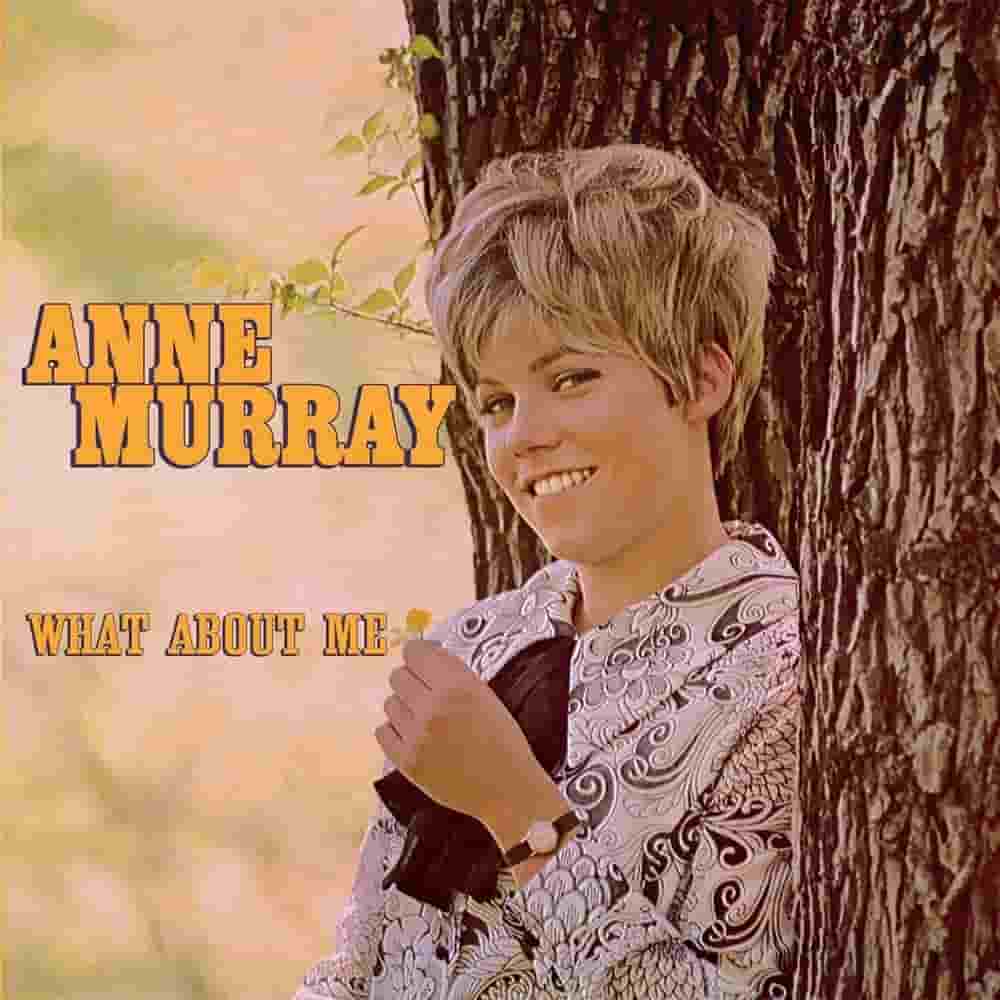
“What About Me” and the Quiet Power of Being Heard
When “What About Me” first appeared in the catalog of Anne Murray, it did not arrive with fanfare or dramatic bravado. Instead, it entered quietly, almost cautiously, asking a question rather than making a declaration. That question would echo through decades of listening and reflection, becoming one of the most emotionally resonant moments in Murray’s long and distinguished career.
“What About Me” was written by Scott McKenzie, best known to many for “San Francisco (Be Sure to Wear Flowers in Your Hair)”. In contrast to that anthem of idealism and outward celebration, this song turns inward. Anne Murray first recorded it in 1968 for her debut album, What About Me, a record that introduced her soft, conversational vocal style to a wider audience. However, it was the later live recording, released in 1973 on the album Danny’s Song, that truly carried the song into the public consciousness.
That 1973 live version was issued as a single and achieved remarkable chart success. It reached No. 1 on the Canadian Adult Contemporary chart, No. 2 on the Canadian Country chart, and No. 2 on the U.S. Adult Contemporary chart. These placements are significant not only for their numerical value, but for what they represent. Adult Contemporary radio was built around emotional clarity, lyrical sincerity, and voices that felt trustworthy. The song’s success in this space confirmed that its message had landed exactly where it was meant to.
Produced by Brian Ahern, who would become a central creative force in Murray’s work, the recording is understated by design. There is no vocal excess, no theatrical flourish. The arrangement allows space. That space is essential, because “What About Me” is a song about being overlooked, about emotional quietness rather than dramatic conflict. It speaks from the position of someone standing just outside the spotlight, watching life move forward without them, and finally gathering the courage to ask if their presence matters at all.
Lyrically, the song is built on restraint. There is no anger, no accusation. The narrator does not demand attention, but gently wonders whether anyone has noticed their silence. This emotional posture is what gives the song its lasting weight. It mirrors moments that arrive not in youth, but later, when reflection becomes unavoidable and unanswered questions begin to surface. The line between resignation and hope is deliberately thin, and Anne Murray walks it with remarkable control.
Murray’s vocal performance is central to the song’s meaning. Her voice, often described as warm and unforced, carries an emotional honesty that never feels rehearsed. In the live recording, there is an added intimacy. One can hear the room, feel the stillness, sense the collective listening. It is not a performance aimed at applause. It is a shared pause, a moment of recognition between singer and listener.
Within the broader arc of Anne Murray’s career, “What About Me” represents an early declaration of her artistic identity. While she would go on to achieve major crossover success with songs like “Snowbird” and “Danny’s Song”, this recording reveals the foundation. It shows a singer drawn to material that values emotional truth over spectacle. It also demonstrates why her music found such a devoted following across genres, from country to pop to adult contemporary.
Over time, “What About Me” has come to symbolize more than its original chart success. It stands as a reminder of how powerful a simple question can be when voiced honestly. In a musical landscape often dominated by certainty and confidence, this song dares to linger in vulnerability. It acknowledges the quiet spaces in life, the moments when one waits to be seen rather than insists on being heard.
Decades after its release, the song remains deeply relevant. Its meaning does not age, because the feeling it captures is timeless. Anne Murray, through “What About Me”, offered something rare: a song that listens as much as it speaks. In doing so, she secured its place not only in the charts of its era, but in the private emotional histories of those who encountered it and quietly understood.