
A Song About Love Seen Through Distance, Memory, and Quiet Resolve
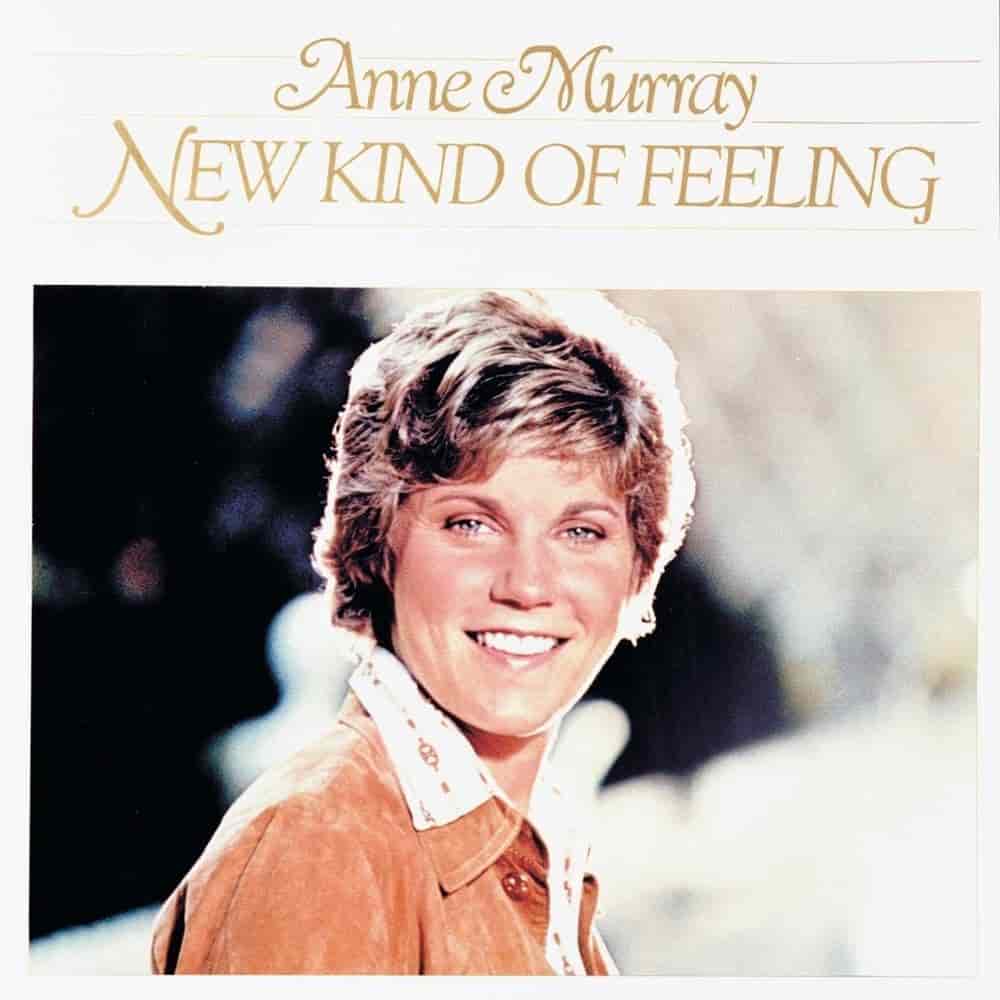
Released in May 1979, “Shadows in the Moonlight” stands as one of the defining moments in Anne Murray’s remarkable career, capturing a delicate emotional balance between vulnerability and strength. Written by Charlie Black and Rory Bourke, and issued as the second single from the album New Kind of Feeling, the song arrived during a period when Murray was at the height of her power as a crossover artist, moving effortlessly between country, adult contemporary, and pop audiences.
From the outset, the song made its presence known on the charts. “Shadows in the Moonlight” reached No. 1 on the Billboard Hot Country Singles chart in July 1979, holding the top position for three weeks. It also climbed to No. 1 on the Billboard Hot Adult Contemporary Tracks chart, confirming Murray’s rare ability to resonate across formats. On the broader Billboard Hot 100, the song peaked at No. 25, an impressive showing for a track rooted in country storytelling rather than pop spectacle. This single became Murray’s third No. 1 country hit and her fourth overall, while also being one of three country chart-toppers she achieved in 1979 alone. Few artists of the era managed such sustained success with such grace.
Behind these statistics lies a song built on atmosphere rather than drama. “Shadows in the Moonlight” is not a loud declaration of love, nor a song of heartbreak in the traditional sense. Instead, it explores the quiet spaces within a relationship, those moments when love is tested not by betrayal or conflict, but by distance, doubt, and time. The lyrics paint images of night, separation, and reflection, suggesting a love that exists in memory as much as in reality. The moonlight does not illuminate clearly; it casts shadows. And within those shadows, emotions linger.
What makes the song especially powerful is how naturally it aligns with Anne Murray’s vocal persona. Murray was never a singer who relied on vocal acrobatics. Her strength lay in clarity, warmth, and an almost conversational honesty. On this recording, her voice is calm, steady, and restrained, allowing the song’s emotional weight to emerge without force. There is a sense of acceptance in her delivery, as though the narrator understands that love does not always offer certainty, yet remains worth holding onto.
The album New Kind of Feeling marked an important chapter in Murray’s artistic evolution. By 1979, she had already established herself as an international star, but this record leaned further into emotional subtlety and adult reflection. “Shadows in the Moonlight” fit perfectly within that vision. It spoke to listeners who had lived long enough to understand that love is not always bright daylight. Sometimes it is something remembered, something hoped for, something quietly endured.
The song’s success also reflected the broader musical climate of the late 1970s, a time when country music was expanding its emotional vocabulary. Artists like Murray helped bridge traditional country storytelling with polished, contemporary production, creating songs that felt intimate yet widely accessible. “Shadows in the Moonlight” did not chase trends; it trusted stillness, melody, and meaning.
More than four decades later, the song remains deeply resonant. Its appeal lies in its refusal to oversimplify love. It acknowledges uncertainty without bitterness, longing without despair. In doing so, it captures a truth that never ages: that love often survives not in grand moments, but in quiet thoughts, late hours, and memories carried forward. Anne Murray, with her unmistakable sincerity, gave that truth a voice, and “Shadows in the Moonlight” continues to glow softly, like its title suggests, long after the charts have faded.
 Music Legend