
A Quiet Confession of Love That Returns Without Asking Permission
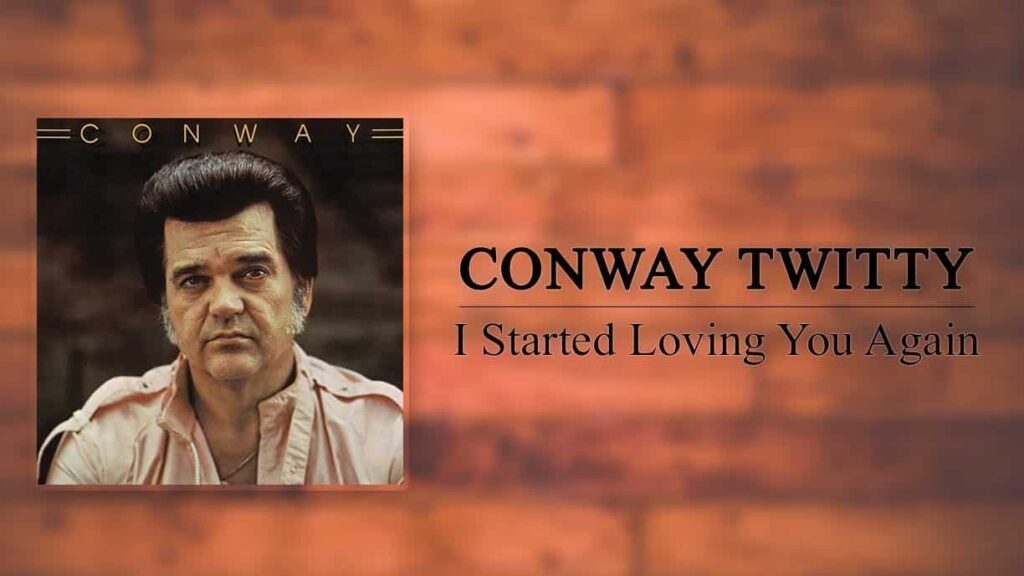
When Conway Twitty recorded Today I Started Loving You Again in 1970, he was not simply revisiting a country standard. He was stepping into a song that already carried emotional weight and lived experience, and reshaping it with a voice that understood regret, memory, and late realizations. Released on the album I Wonder If You Care in 1970, Twitty’s version would go on to become one of the definitive interpretations of the song, reaching No. 1 on the Billboard Hot Country Singles chart later that year. For many listeners, this recording became the version that lingered longest in the heart.
The song itself was written by Merle Haggard and Bonnie Owens, two figures whose personal and artistic lives were deeply intertwined with the realities of love, separation, and reconciliation. Haggard first recorded Today I Started Loving You Again in 1968, releasing it initially as the B side to his hit single The Legend of Bonnie and Clyde. In a familiar twist of country music history, radio disc jockeys began flipping the record, drawn to the quiet emotional gravity of the B side. The song slowly gained momentum and eventually reached No. 1 on the country chart, proving that some of the most powerful truths in music arrive without fanfare.
At its core, Today I Started Loving You Again is built on a simple yet devastating realization. The narrator believes that time has done its work. The past feels settled. The old wounds appear healed. And then, without warning, love returns. The line “I am right back where I have always been” captures the essence of the song’s emotional truth. Love is not always dramatic in its return. Sometimes it comes back quietly, with a memory, a voice, or a moment of stillness that undoes years of careful distance.
What distinguishes Conway Twitty’s rendition is not technical flourish, but emotional restraint. By 1970, Twitty had fully established himself as one of country music’s most reliable interpreters of adult emotion. His voice, deep and unhurried, carries a sense of lived experience. He does not rush the lyric. Each line feels weighed, considered, and accepted rather than resisted. In Twitty’s hands, the song becomes less about heartbreak and more about recognition. Love, once known, does not disappear. It waits.
The album I Wonder If You Care arrived during a transitional period in Twitty’s career, when his country recordings were increasingly focused on vulnerability and emotional realism rather than novelty or crossover appeal. Including Today I Started Loving You Again on the album was a deliberate artistic choice. It aligned with Twitty’s ongoing exploration of themes such as longing, emotional memory, and the quiet dignity of acceptance. The song fit seamlessly among material that favored emotional honesty over theatrical display.
There is also something deeply timeless about this recording. The song does not anchor itself to a specific era, place, or age. Its emotional landscape is universal. The feeling of believing one has moved on, only to discover that the heart has been waiting all along, is not confined to youth or first love. It belongs just as much to later chapters of life, when memories carry greater weight and love feels both more fragile and more enduring.
Over the decades, Today I Started Loving You Again has been recorded by numerous artists, including Elvis Presley, Loretta Lynn, and George Jones, each bringing their own perspective. Yet Twitty’s version remains singular. It does not dramatize the moment. It accepts it. That acceptance is what gives the recording its lasting power.
In the end, Conway Twitty did not simply cover a successful song by Merle Haggard. He offered a meditation on emotional return. Today I Started Loving You Again stands as a reminder that some feelings never truly leave. They wait patiently, and when they return, they do so with quiet certainty, asking nothing except to be acknowledged once more.
 Music Legend
  Oldies Songs