
A Song of Roots and River Memories — “Down On The Rio Grande” Reflects the Cultural Heart and Storytelling Soul of Johnny Rodriguez
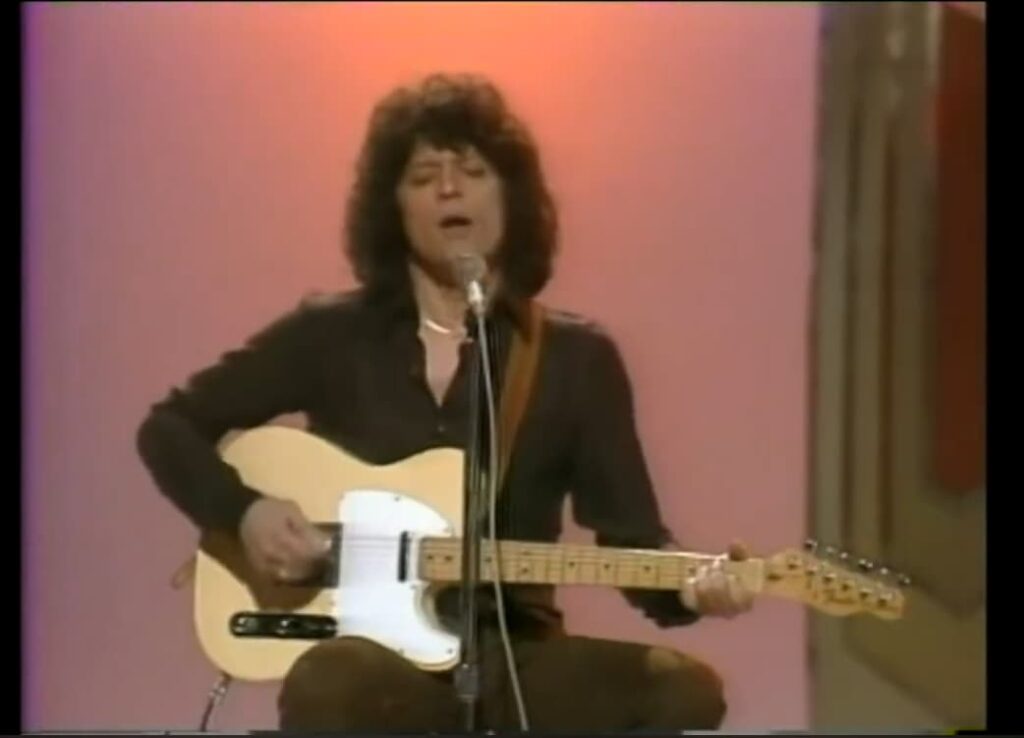
When Johnny Rodriguez performed “Down On The Rio Grande” on the television program Pop! Goes the Country in 1979, the moment carried a special kind of authenticity. It was more than a performance of a country song. It was a reflection of heritage, identity, and the landscape that shaped one of country music’s most distinctive voices of the 1970s.
By the time Rodriguez appeared on Pop! Goes the Country, he had already secured his place as one of the era’s most important country artists. Emerging in the early 1970s, Johnny Rodriguez became known not only for his smooth baritone voice but also for bringing strong Mexican American cultural influences into mainstream country music. His success helped broaden the sound and storytelling traditions of the genre.
Rodriguez’s rise began quickly after his signing with Mercury Records in 1972. His debut single “Pass Me By (If You’re Only Passing Through)” climbed to No. 9 on the Billboard Hot Country Songs chart, introducing audiences to a new voice filled with warmth and sincerity. But it was his follow up recordings that truly established his reputation.
In 1973, Johnny Rodriguez achieved his first No. 1 country hit with “You Always Come Back (To Hurting Me).” That success was soon followed by “Ridin’ My Thumb to Mexico,” which also reached No. 1 on the Billboard Hot Country Songs chart later that same year. The song, with its imagery of highways and border towns, hinted at the themes that would appear again in recordings like “Down On The Rio Grande.”
Released during a period when Rodriguez was at the height of his popularity, “Down On The Rio Grande” captures the quiet beauty of the region that inspired so much of his musical identity. The Rio Grande is more than just a river dividing two countries. In country music storytelling, it often represents a place of memory, longing, and cultural connection.
Rodriguez sings the song with a calm, reflective tone that feels deeply personal. His voice carries the relaxed rhythm of someone remembering a familiar landscape. The lyric suggests a return to a place where life moves more slowly, where traditions remain strong, and where the past is never very far away.
That sense of place is one of the defining features of Johnny Rodriguez’s music. Unlike many country singers of his time, he frequently blended English lyrics with occasional Spanish phrases, reflecting the bilingual culture of South Texas where he was raised. This stylistic touch gave his recordings a unique flavor that stood apart from much of the Nashville sound of the period.
The television performance on Pop! Goes the Country in 1979 offered audiences an opportunity to see that authenticity in a live setting. The show, hosted by Ralph Emery, was one of the most important country music television programs of the 1970s, bringing artists directly into homes across America. For Rodriguez, appearances like this helped reinforce his connection with listeners who appreciated both his voice and his storytelling.
Musically, “Down On The Rio Grande” is built around gentle country instrumentation. Acoustic guitar, steel guitar, and soft rhythm arrangements create a warm and open atmosphere that mirrors the imagery of wide landscapes and flowing water. The arrangement never overwhelms the vocal performance. Instead, it supports the reflective mood of the lyric.
Listening today, the song carries a quiet nostalgia that feels timeless. It recalls an era when country music often drew inspiration from real places and personal memories. Songs were not simply about romance or heartbreak. They were about identity, heritage, and belonging.
Through “Down On The Rio Grande,” Johnny Rodriguez invites listeners into that world. The river becomes a symbol of continuity, a reminder that certain places remain deeply connected to who we are.
And in that 1979 television performance, Rodriguez does something remarkable. Without dramatic gestures or elaborate production, he simply tells the story through song.
The result is a moment of musical honesty that continues to resonate long after the final note fades.