
A Gentle Meditation on Memory, Time, and the Songs That Never Truly Leave Us
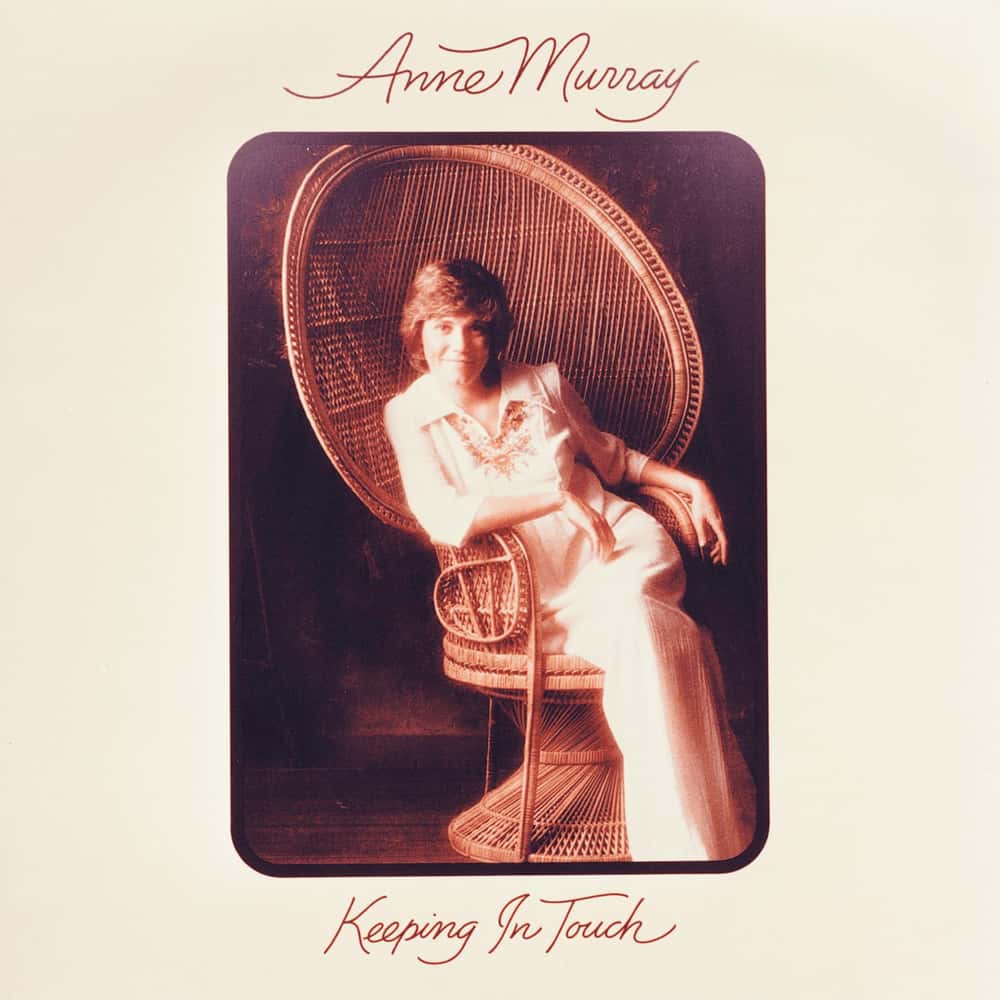
When Anne Murray released “Golden Oldie” in 1976, it arrived quietly, without spectacle, yet it carried a weight of reflection that set it apart from the usual radio fare of the time. Written by Brian Russell and Brenda Russell, the song reached No. 18 on the Canadian Country chart and No. 18 on the Canadian Adult Contemporary chart, a respectable showing that reflected steady listener affection rather than fleeting chart frenzy. It appeared on Murray’s 1976 album Keeping in Touch, a record that marked a transitional period in her career, balancing commercial assurance with a growing emotional maturity.
By the mid-1970s, Anne Murray was already a familiar and trusted voice. Born in Nova Scotia, she had built a reputation not on vocal acrobatics but on clarity, warmth, and emotional restraint. That restraint is central to “Golden Oldie”, a song that does not demand attention but earns it through recognition. From its opening moments, it speaks to a shared experience. A song from the past comes on the radio, and suddenly time collapses. Memories surface uninvited, vivid and intimate, reminding the listener not only of what once was, but of who they once were.
The term “golden oldie” itself is deceptively simple. In popular usage, it suggests nostalgia, familiarity, and comfort. Yet in the hands of the Russells, and through Murray’s delivery, it becomes something more complex. The song is not merely celebrating old music. It is acknowledging the quiet ache that accompanies remembrance. A golden oldie can make one smile, but it can also reopen doors long closed, bringing back faces, places, and emotions that have not entirely faded, even if life has moved on.
Musically, “Golden Oldie” is understated. The arrangement leans toward soft pop and adult contemporary, with gentle instrumentation that supports rather than competes with the vocal. There is no dramatic crescendo. Instead, the song unfolds at a measured pace, mirroring the act of reflection itself. This was very much in line with Anne Murray’s artistic identity. She sang as if confiding rather than performing, allowing listeners to project their own histories into the spaces she left between phrases.
The story behind the song resonates because it is universal. Everyone who has lived long enough has had the experience it describes. A familiar melody unexpectedly triggers a memory of a former love, a different season of life, or a moment when the future felt wide open. “Golden Oldie” does not specify the memory. It leaves the details undefined, which is precisely why it works so well. The song becomes a mirror rather than a narrative, reflecting each listener’s personal past.
Within the context of Keeping in Touch, the song feels especially appropriate. The album title itself suggests connection, continuity, and remembrance. During this period, Anne Murray was navigating a career that had already brought immense success, while also recognizing the passage of time. “Golden Oldie” fits neatly into that emotional landscape, standing as a quiet acknowledgment that success and time both leave their marks.
What gives the song its lasting power is its honesty. There is no attempt to dress nostalgia in sentimentality alone. Beneath the warmth lies an awareness that time cannot be reversed. The memories stirred by the music are precious precisely because they belong to the past. Anne Murray sings this truth without bitterness or regret, only acceptance. That acceptance is what makes the song especially meaningful years later, as its audience grows older alongside it.
In retrospect, “Golden Oldie” may not be among Anne Murray’s biggest international hits, but it occupies a special place in her catalog. It captures a moment when popular music was willing to slow down and reflect, trusting listeners to meet it halfway. Today, the song has become, in a sense, a golden oldie itself. And when it plays, it does exactly what it describes. It reaches back through time, gently, thoughtfully, reminding us that some songs never stop keeping us in touch with who we once were.
 Music Legend