
Love Born in Rebellion: The Stormy Beginning of George Jones and Tammy Wynette
People often remember George Jones and Tammy Wynette for the aching tenderness of their duets, for the seamless way their voices wrapped around one another in songs like “Golden Ring” and “Near You.” What many forget — or perhaps never fully understood — is that their love story did not begin with soft candlelight or careful courtship. It began with defiance. With raised voices. With a moment that felt less like romance and more like an explosion.
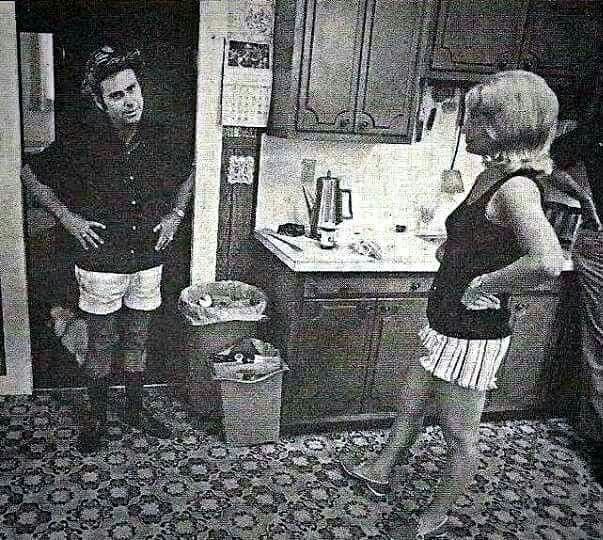
In 1968, country music was already shifting, and so were their personal lives. Tammy was still married to songwriter Don Chapel. George, already known for his turbulent spirit, had been drawn to her voice long before he admitted it to himself. The story has been told in different shades over the years, but one truth remains consistent: after a fierce argument between Tammy and her husband, George arrived and took her away. It was not a grand gesture wrapped in poetry. It was instinctive, almost reckless. Chairs reportedly overturned, tempers flared, and in the midst of that chaos came a declaration that felt less like a proposal and more like fate asserting itself — they belonged together.
That rebellion marked the beginning of one of country music’s most compelling partnerships. Their marriage in 1969 was fueled by passion and stubborn devotion in equal measure. They did not enter each other’s lives gently. They collided. And from that collision came art that could not have been manufactured in any studio.
When they recorded “We’re Gonna Hold On” in 1973, which climbed to No. 1 on the Billboard Hot Country Singles chart, it sounded like a vow forged in fire. The lyrics spoke of enduring hardship, of standing firm against outside doubt. It was difficult not to hear autobiography in every line. Then came “Golden Ring” in 1976, another No. 1 country hit, telling the story of love’s rise and fall through the symbol of a wedding band. By then, their own marriage had already fractured, yet they sang it together with astonishing honesty. In 1977, “Near You” also reached No. 1, carrying a tenderness that felt almost fragile, as though harmony itself was holding together what real life could not.
Their love was never quiet. It was loud, complicated, and often painful. George battled alcoholism. Tammy carried her own burdens of exhaustion and heartbreak. Arguments were frequent. Separations followed reconciliations in a pattern that mirrored the dramatic arcs of the songs they recorded. By the time their divorce was finalized in 1975, the storm had left its scars. Yet even after parting as husband and wife, they continued to record together. That fact alone reveals something extraordinary. Whatever had broken at home still resonated musically.
There is a reason their duets feel so alive decades later. The pain in their harmonies was not theatrical. It was lived experience set to melody. When George’s voice cracked on a sustained note, it carried regret. When Tammy leaned into a lyric about loyalty, it felt like both promise and plea.
With Tammy Wynette gone since 1998 and George Jones since 2013, what remains are recordings that document not only a marriage, but a rebellion that turned into legend. Their story reminds us that sometimes the most unforgettable loves do not begin in calm. They begin in chaos. And from that chaos, something timeless can rise — not perfect, not peaceful, but undeniably real.