
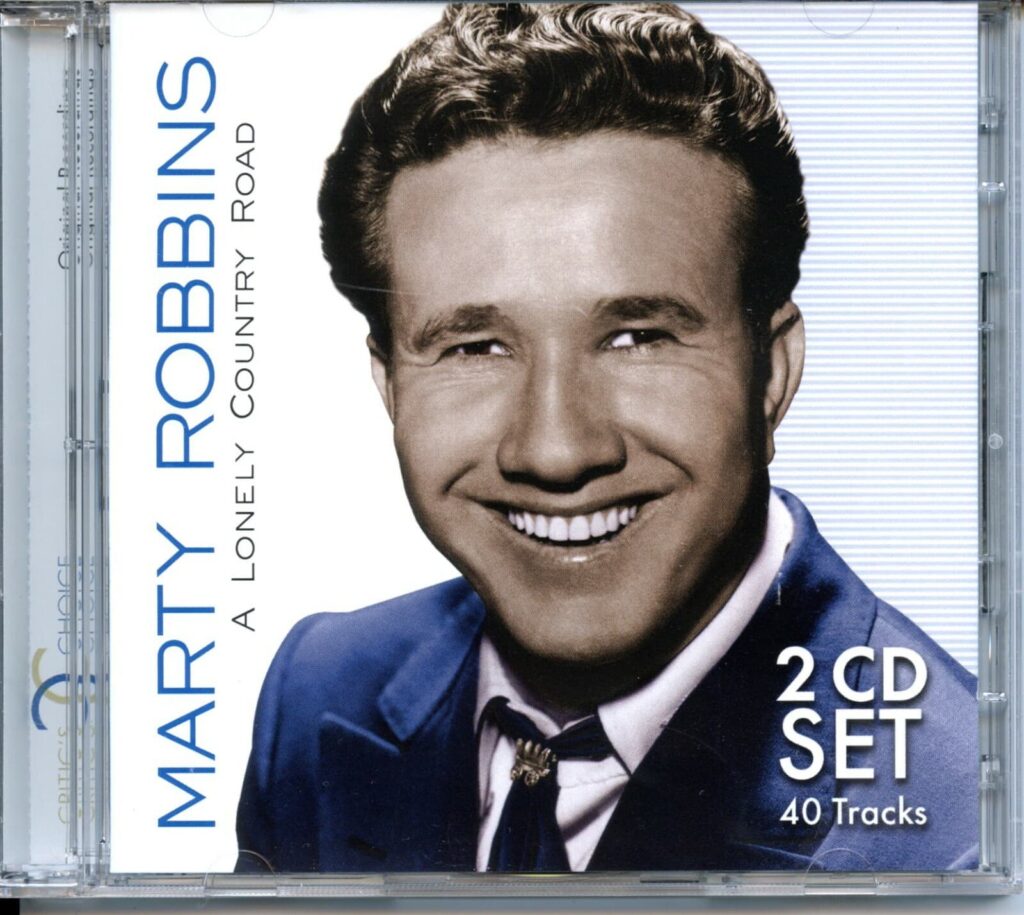
Marty Robbins – Whispering Hope: A Celestial Anchor of Faith Amidst the Shifting Tides of Time
For those of us who have walked the long road and felt the weight of the years, certain songs do more than entertain—they provide a sanctuary for the soul. In 1962, Marty Robbins released the album “What God Has Done,” a deeply personal collection of hymns and spirituals that showcased a side of the “Gunfighter” few had seen so intimately. Among its most luminous tracks was “Whispering Hope,” a song that didn’t just climb the Billboard Christian and Country charts—it climbed into the very spirit of a generation. Released during a decade of immense social upheaval, this recording offered a steady, tranquil hand to a world in search of peace, proving that Marty’s velvet voice was as home in the choir loft as it was on the dusty trail.
To listen to “Whispering Hope” today is to be enveloped by a profound sense of “Hiraeth”—a longing for a place of eternal safety. It evokes memories of Sunday mornings in small-town churches, the scent of old hymnals, and the comforting presence of those who taught us our first lessons in resilience. Marty’s performance is a masterclass in vocal control; he avoids the grandiosity of the stage for a humble, prayerful delivery. It is a song for the quiet hours of reflection, for the moments when we look back at the storms we’ve weathered and realize we were never truly sailing alone.
The Story Behind the Heavenly Harmony
The history of “Whispering Hope” is a journey back to the roots of American faith. Originally written in 1868 by Septimus Winner (under the pseudonym Alice Hawthorne), the song was born out of the aftermath of the Civil War, a time when a broken nation was desperate for healing. When Marty Robbins decided to record it for Columbia Records, he chose to keep the arrangement simple and dignified. Recorded in Nashville with a soft, choral backing that feels like the breath of angels, the track was a departure from the “Nashville Sound” trends of the early sixties. Marty insisted on a sound that felt timeless, stripping away the modern polish to let the 19th-century poetry speak for itself. It was a labor of love, a tribute to the faith of his mother and the enduring power of the spirituals that sustained him through his own life’s challenges.
A Reflection on the Light Beyond the Horizon
The meaning of “Whispering Hope” is found in its central metaphor: that hope is a “star” that shines brightest when the night is at its darkest. For a reader who has experienced the ebbs and flows of a long life, these lyrics are a powerful reminder that our greatest strength often comes in a whisper, not a shout. It speaks to the “after-glow” of a well-lived life, suggesting that even as the sun sets on our earthly journeys, there is a promise of a new and brighter day. It is a song about the endurance of the human spirit and the quiet, unwavering belief that there is a purpose behind every trial.
As we revisit this track, it stirs a deep, emotional nostalgia for a time when faith was the bedrock of the community. It reminds us of the voices of our parents and grandparents, the slow pace of a life lived with intention, and the peace that comes from surrendering our worries to a higher power. Marty Robbins didn’t just record a hymn; he gave us a musical lighthouse. “Whispering Hope” remains a timeless testament to the idea that no matter how loud the world becomes, the softest voice of hope is the one that carries us home. It is a song that tells us to be still, to listen, and to believe that the best is yet to come.
 Music Legend