
A Voice That Turned Private Regret Into Public Truth
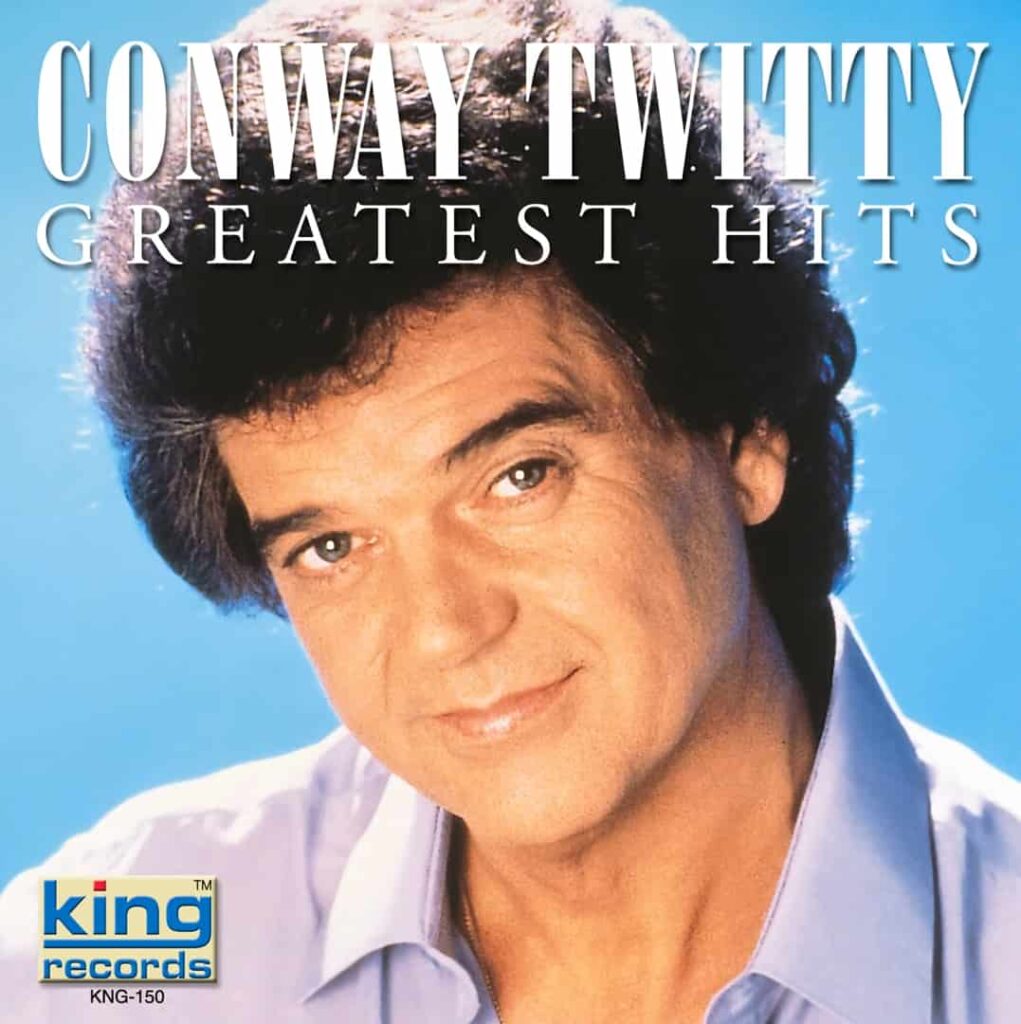
When discussing emotional candor in American country music, the name Conway Twitty inevitably rises to the surface. Born Harold Lloyd Jenkins, Twitty built one of the most formidable careers in the genre’s history, earning 55 No. 1 hits on the Billboard Hot Country Singles chart, a record that stood for decades. Yet statistics only tell part of the story. His legacy rests not merely on commercial dominance, but on the emotional architecture of songs like “Hello Darlin’” and “You’ve Never Been This Far Before.”
Released in 1970 as the lead single from the album Hello Darlin’, the title track soared to No. 1 on the Billboard Hot Country Singles chart, where it remained for four weeks. The spoken opening line, now legendary, was not grand or theatrical. It was hesitant, intimate, almost uncomfortable in its honesty. That vulnerability became the song’s heartbeat. Twitty did not deliver the lyric as a performance. He delivered it as confession. The record went on to win Song of the Year at the Country Music Association Awards, cementing its place in the canon.
Three years later, “You’ve Never Been This Far Before” pushed emotional boundaries even further. Released in 1973 as the title track of the album You’ve Never Been This Far Before, it reached No. 1 on the Billboard Hot Country Singles chart and even crossed into the pop charts, peaking at No. 22 on the Billboard Hot 100. The song stirred controversy for its sensual tone, yet Twitty’s delivery was never crude. It was measured, restrained, deeply human. He sang about intimacy not as conquest, but as fragile connection.
What set Conway Twitty apart was restraint. His baritone carried weight without force. He allowed silence to breathe between phrases. He admitted pride, jealousy, longing, and regret without polishing them into myth. In an era when some artists leaned into bravado, Twitty leaned inward. His music suggested that love is not always triumphant. Sometimes it is uncertain, flawed, and painfully necessary.
That honesty is why listeners return. Not for spectacle, but for recognition. In Twitty’s voice, they hear the apology that came too late. The call not returned. The embrace that should have lasted longer. He did not promise redemption. He offered understanding. And in doing so, he transformed ordinary heartache into something enduring, something almost sacred.
 Music Legend
  Oldies Songs