
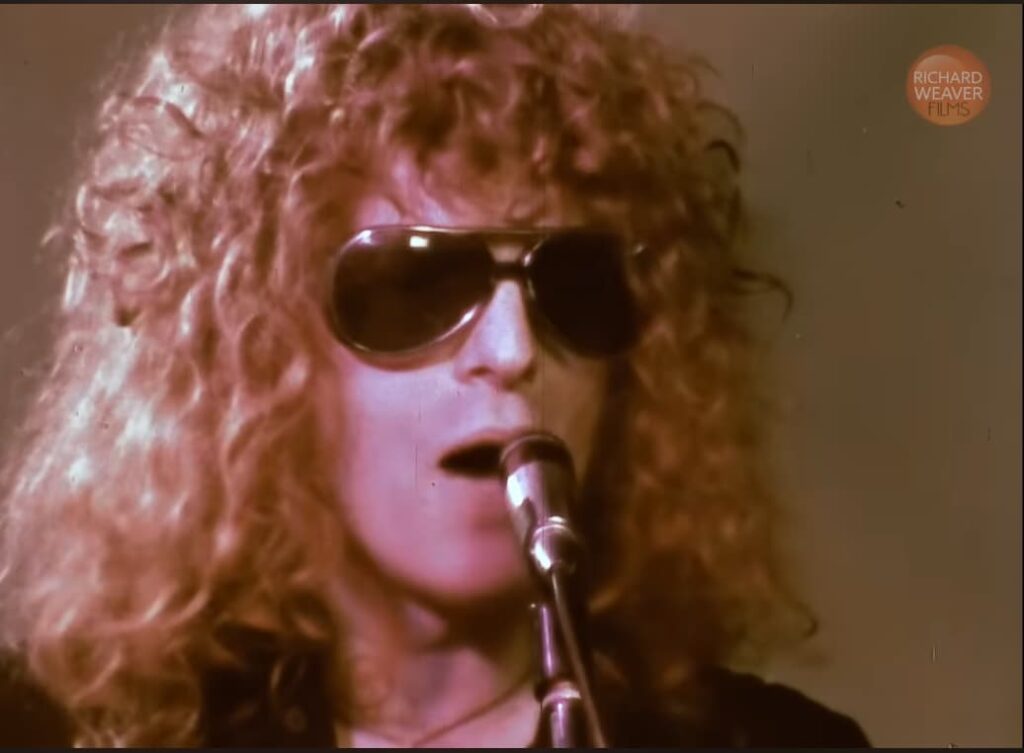
A Generation Finds Its Anthem — “All the Young Dudes” Turned Mott the Hoople Into the Voice of Glam Rock’s Defiant Youth
When “All the Young Dudes” was released in 1972 by Mott the Hoople, it arrived not merely as another rock single but as a cultural signal that something new was taking shape in British music. The song quickly climbed to No. 3 on the UK Singles Chart, becoming the band’s biggest commercial success and securing their place within the rapidly growing glam rock movement of the early 1970s. Though it reached only No. 37 on the Billboard Hot 100 in the United States, the track’s influence traveled far beyond chart positions, eventually becoming one of the defining anthems of the decade.
What makes the story of “All the Young Dudes” particularly remarkable is the moment of uncertainty that preceded it. In early 1972, Mott the Hoople were on the verge of breaking up. Despite releasing several critically respected albums, including Mad Shadows (1970) and Wildlife (1971), the band struggled to achieve major commercial success. Exhausted and discouraged, they were seriously considering disbanding.
At this turning point, an unexpected figure stepped in: David Bowie.
Already rising rapidly in popularity with his theatrical glam persona, Bowie was a devoted admirer of Mott the Hoople. When he heard that the group was about to dissolve, he offered them a song he had recently written — “All the Young Dudes.” Bowie even produced the recording himself, guiding the band toward a sound that blended their gritty rock roots with the glittering drama of glam rock.
The result was transformative.
The single was released by CBS Records in July 1972, and it immediately captured the imagination of listeners across the United Kingdom. With its sweeping piano introduction, bold guitar lines, and unforgettable chorus, the song sounded both rebellious and strangely hopeful.
But perhaps the most striking element of “All the Young Dudes” lies within its lyrics.
Written by David Bowie, the song paints a fragmented portrait of youth in a changing world. References to television, street life, and social uncertainty appear alongside images of style, music, and individuality. The line “All the young dudes carry the news” suggests a generation aware of its own cultural power, ready to challenge the expectations of the past.
For many listeners in the early 1970s, the song captured the restless spirit of a new era. The optimism of the 1960s had begun to fade, replaced by economic uncertainty and shifting cultural values. Yet within that atmosphere, “All the Young Dudes” offered a kind of musical refuge — a place where identity, fashion, and rock music could form a new sense of belonging.
Lead singer Ian Hunter delivered the lyrics with a voice that balanced defiance and vulnerability. His slightly rough vocal tone contrasted beautifully with the theatrical energy of the arrangement, giving the song a grounded authenticity.
Musically, the track carries a distinctive structure. The piano provides a steady emotional foundation, while guitars and backing vocals gradually build toward the soaring chorus. This layered sound helped define the glam rock aesthetic, which combined traditional rock instrumentation with bold stage presence and artistic flamboyance.
The success of “All the Young Dudes” did more than save Mott the Hoople from obscurity. It reshaped their career. The band soon released the album All the Young Dudes (1972), produced by David Bowie, which further cemented their connection to the glam movement.
Over time, the song itself grew into something larger than a hit single. It became a cultural landmark — a piece of music that symbolized the creative rebellion and individuality that defined early 1970s rock.
Even decades later, hearing “All the Young Dudes” brings back the atmosphere of that era: the bold fashion, the glittering stage lights, the sense that music could still reinvent the rules of popular culture.
What began as a last minute gift from one artist to another ultimately became a lifeline for a band and a rallying cry for a generation.
And in that unforgettable chorus, carried by the voice of Ian Hunter and the songwriting vision of David Bowie, the spirit of those “young dudes” still echoes — proud, restless, and forever standing just slightly outside the ordinary world.