
A Quiet Question of the Heart, Where Love and Loneliness Stand Face to Face
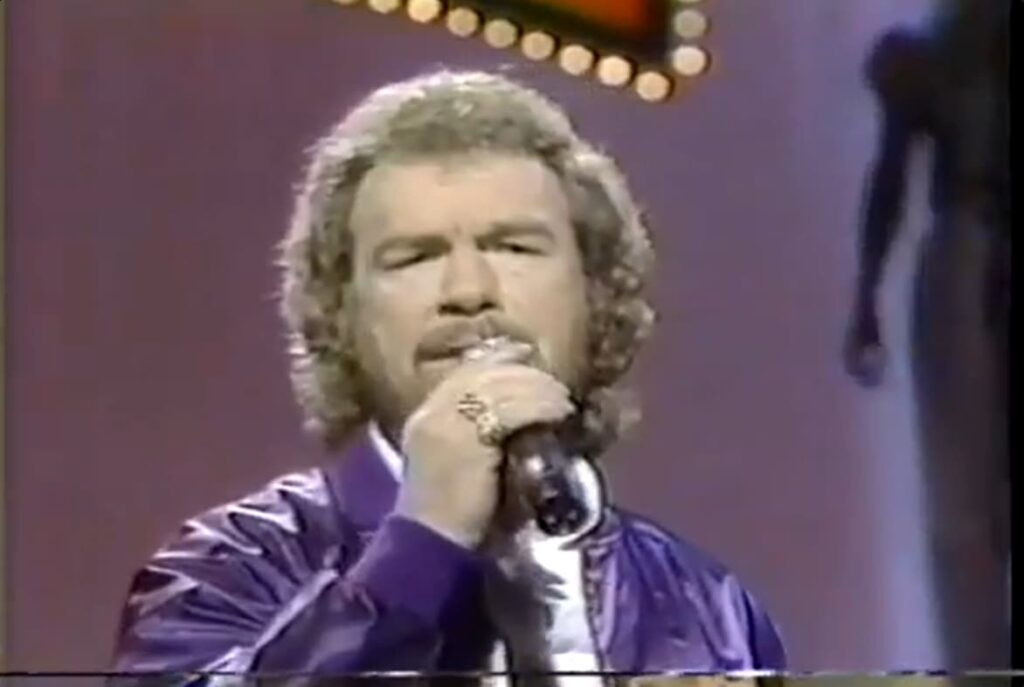
When Gene Watson stepped into the studio in 1985 to record “Should I Come Home (Or Should I Go Crazy)”, he was not chasing trends or reinventing himself. He was doing something far more enduring, something that defined his entire career — he was telling the truth, plainly and without ornament. Released as a single from the album “Memories to Burn”, the song climbed to No. 3 on the Billboard Hot Country Singles chart in early 1986, reaffirming Watson’s place among the most reliable voices in traditional country music at a time when the genre was beginning to shift toward a more polished, crossover sound.
The mid-1980s were not an easy landscape for artists who held tightly to the old ways. Synths were creeping in, production was getting slicker, and many voices were being softened for broader appeal. But Gene Watson remained untouched by that tide. His voice — clear, aching, and unyieldingly honest — carried the weight of songs that didn’t need embellishment. And this particular song, written by Joe Allen and Dave Kirby, felt almost like it had been waiting for him all along.
At its core, “Should I Come Home (Or Should I Go Crazy)” is built on a simple but devastating premise: a man caught in the quiet aftermath of emotional distance, standing at a crossroads that offers no real comfort either way. It is not a story of dramatic betrayal or explosive heartbreak. Instead, it lives in that far more familiar and painful space — the slow unraveling of something that once felt certain. The question posed in the title is not rhetorical. It lingers, unresolved, hanging in the air like a late-night thought that refuses to settle.
Watson’s delivery is what transforms the song from a well-written composition into something deeply personal. He does not overreach. There are no vocal acrobatics, no grand gestures. Each line is measured, restrained, as if he understands that the real weight of the song lies not in what is said, but in what is left unsaid. His phrasing carries a quiet resignation, the kind that comes not from sudden loss, but from the slow realization that something has already slipped beyond repair.
There is also something distinctly Nashville about the recording — not just in its production, but in its spirit. The session musicians, many of them seasoned veterans, provide a backdrop that feels both warm and restrained. Steel guitar weaves gently through the arrangement, never overpowering, always supporting the emotional core. It is the kind of sound that defined an era when songs were built to last, not just to chart.
Behind the scenes, the song reflects a period when Gene Watson was solidifying his identity as one of country music’s most consistent traditionalists. While he may not have always dominated headlines, his chart success — including this Top 5 hit — spoke to a loyal audience that valued authenticity over novelty. And in many ways, “Should I Come Home (Or Should I Go Crazy)” stands as a perfect example of that quiet consistency. It did not need to be flashy. It simply needed to be true.
What makes the song endure, decades later, is its emotional universality. The dilemma it presents is timeless. Everyone, at some point, has faced a moment where neither choice feels right, where returning means confronting what has changed, and leaving means accepting what has been lost. Watson does not offer an answer. He does something far more honest — he allows the question to remain.
Listening now, the song feels less like a performance and more like a memory. It carries with it the stillness of late evenings, the echo of conversations that never quite reached a conclusion, the quiet understanding that not all stories resolve the way we hope they will. And perhaps that is why it continues to resonate. Because in its simplicity, in its restraint, Gene Watson captured something that many songs attempt but few achieve — the fragile, uncertain space between holding on and letting go.