
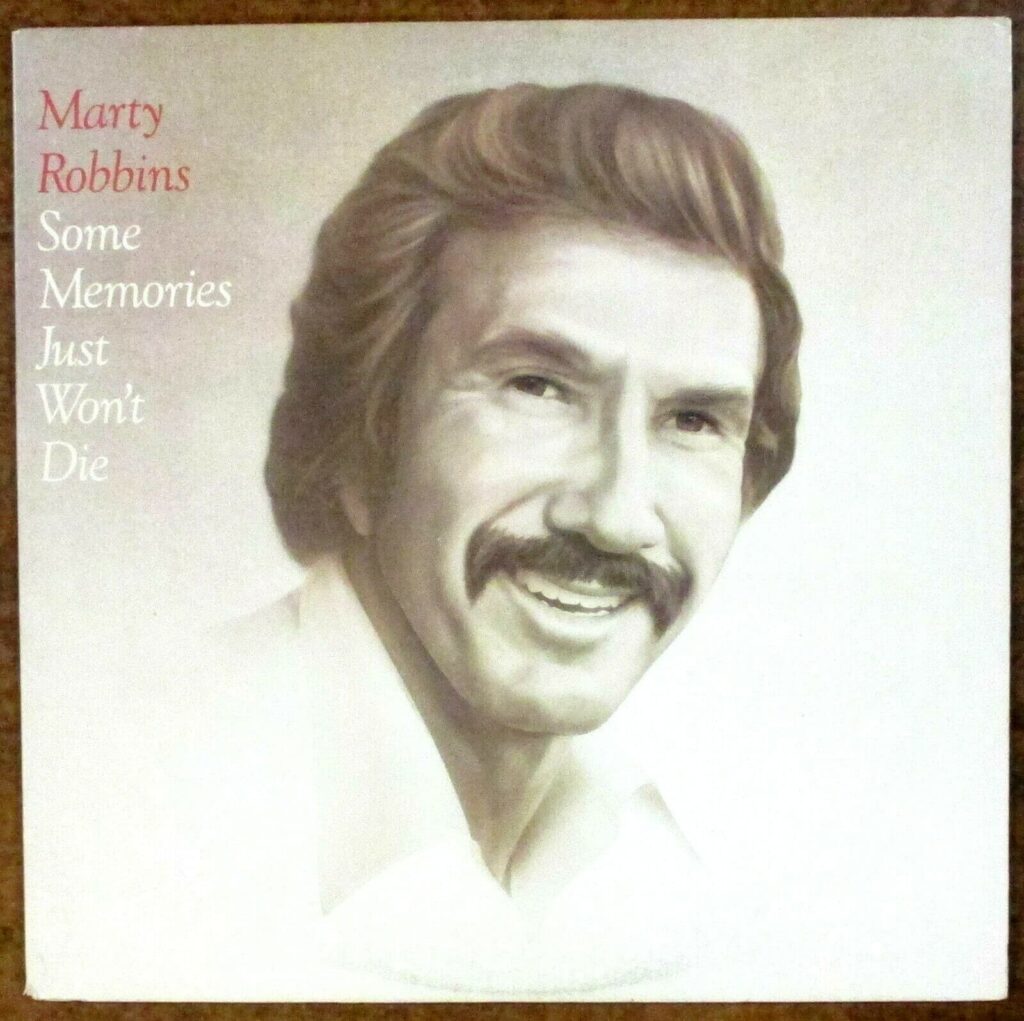
Marty Robbins – “All the Way”: A “High-Fidelity” Crossover into the Heart of the Great American Songbook
In the sophisticated, gold-tinged landscape of 1962, Marty Robbins released a recording that would forever solidify his reputation as the “vocal chameleon” of Nashville. When he chose to interpret Jimmy Van Heusen and Sammy Cahn’s 1957 masterpiece, “All the Way,” for his landmark album “Marty After Midnight,” he wasn’t just covering a pop standard; he was reclaiming a piece of the American soul. Released in May 1962 on Columbia Records, the track caught the “Gentle Giant” at a “high-level” vocal peak where his crystalline, “velvet” tenor could bridge the gap between the rugged gunfighter and the polished crooner.
The “story” behind “All the Way” is a masterclass in the “High-Level” art of vocal restraint. Originally written for Frank Sinatra, the song is a profound meditation on total, uncompromising devotion. Marty’s delivery is a study in “velvet” authority; backed by the masterful instrumentation of Grady Martin, Jack Pruett, and Jerry Byrd, he navigates the sweeping melody with a melodic grace that feels entirely authentic to his own journey. It was an era where the “Nashville Sound” was reaching a point of absolute, “high-fidelity” sophistication, and Marty was its most relatable architect. He proved that “The Truth” in a voice didn’t need a cowboy hat or a desert backdrop to be felt—it simply needed the impeccable timing and soulful sincerity that were his trademarks.
For the sophisticated listener who has navigated the “ebbs and flows” of several decades, hearing Marty sing “All the Way” today is a deeply evocative experience. It brings back memories of wood-paneled dens, the soft glow of a record player’s light, and the realization that as we reach our silver years, the concept of “all the way” becomes a testament to our own endurance. The lyrics—”Tall as the tallest tree is / That’s how it’s got to be”—speak to a “qualified” reader who understands that life’s most meaningful connections are the ones that survive the “twists and turns” of time. For those of us who have seen the seasons turn, this song is a mirror of our own resilience and the quiet dignity of a heart that has committed itself to a long and faithful road.
The meaning of “All the Way” lies in its unapologetic elegance. Marty Robbins possessed the unique, almost magical gift of being able to transition from a “Gunfighter” to a “Midnight” romantic without ever losing his integrity. As we reflect on this 1962 masterpiece today, through the lens of our own decades of experience, we see it as more than just a track on a “crossover” album; it is a testament to the enduring power of the narrative song to capture the heights of human emotion. The Master Storyteller may have eventually returned to the “El Paso” trails, but in the shimmering, rhythmic notes of this song, he remains the eternal witness to a love that lasts a lifetime.
 Music Legend