
A gentle farewell to home, where distance is measured not in miles but in the quiet ache of leaving something behind
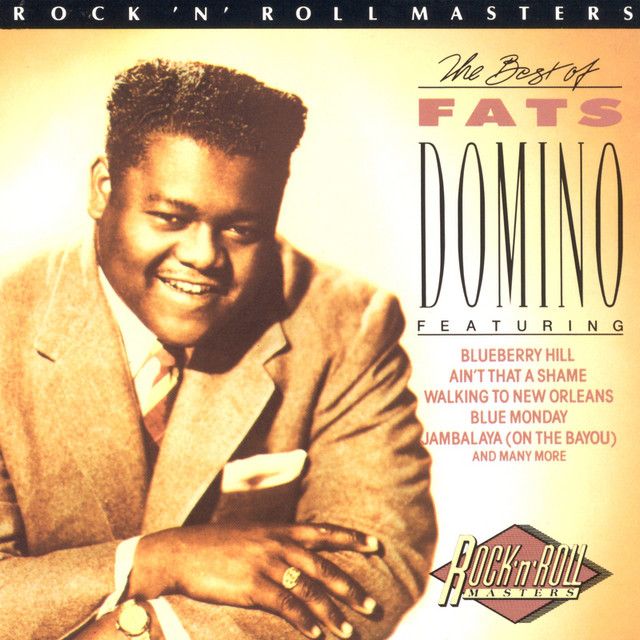
When Fats Domino released “Walking to New Orleans” in 1960, it carried with it a sense of longing so understated that it almost slipped past unnoticed at first. Yet the song would go on to reach No. 6 on the Billboard Hot 100 and No. 2 on the Billboard R&B chart, becoming one of the most emotionally resonant recordings of his career. It also climbed to No. 19 on the UK Singles Chart, extending its quiet impact across the Atlantic.
Written by Bobby Charles, the song was reportedly inspired by a casual remark from Domino himself, who once joked that if his partner ever left him, he would simply walk back to New Orleans. What began as a passing comment was transformed into something far more profound—a meditation on loss, belonging, and the deep pull of home.
Musically, “Walking to New Orleans” departs from the upbeat, rolling rhythms that had defined much of Fats Domino’s earlier work. Instead, it unfolds slowly, almost reluctantly, guided by a soft orchestral arrangement produced by Dave Bartholomew. Strings drift gently in the background, creating a sense of space that mirrors the emotional distance within the lyrics. Domino’s piano, usually so lively and rhythmic, becomes restrained, offering only what is necessary.
The story within the song is simple: a man left alone, choosing to return to New Orleans on foot. But beneath that simplicity lies something deeper. The act of walking is not just physical. It becomes symbolic—a way of processing loss, of moving through grief step by step. There is no urgency in the journey. No expectation of arrival. Only the quiet determination to keep going.
What makes “Walking to New Orleans” so enduring is the way it avoids dramatics. Domino does not raise his voice, does not attempt to overwhelm the listener with emotion. Instead, he allows the feeling to settle naturally, trusting in its authenticity. This restraint gives the song its power. It feels lived in, rather than performed.
By 1960, Fats Domino was already one of the defining figures of early rock and roll, with a string of hits that had shaped the sound of the previous decade. Yet this recording reveals another dimension of his artistry—one that leans into vulnerability without abandoning simplicity. It is a reminder that even within a genre often associated with energy and movement, there is space for stillness.
Listening to the song now, there is a sense that it exists outside of time. The arrangement, though rooted in its era, does not feel dated. The emotion, quiet and unforced, remains immediate. The idea of returning home—not out of triumph, but out of necessity—resonates in a way that requires no explanation.
There is also something deeply human in the way the song approaches loss. It does not offer resolution or comfort. It does not promise that things will improve. Instead, it acknowledges the feeling and allows it to exist. In doing so, it creates a space where the listener can recognize something of their own experience.
For Fats Domino, “Walking to New Orleans” stands as one of his most reflective recordings, a moment where the energy of rock and roll gives way to something more contemplative. It does not replace what came before. It complements it, adding depth to an already remarkable body of work.
In the end, the song is not about the destination. New Orleans is less a place than a feeling—a memory of where one belongs, even after everything has changed.
And as the final notes fade, what remains is not the image of a man walking, but the quiet understanding of why he must.
 Oldies Songs