
A Gentle Reunion Song That Reminds Us Time Never Breaks a True Bond
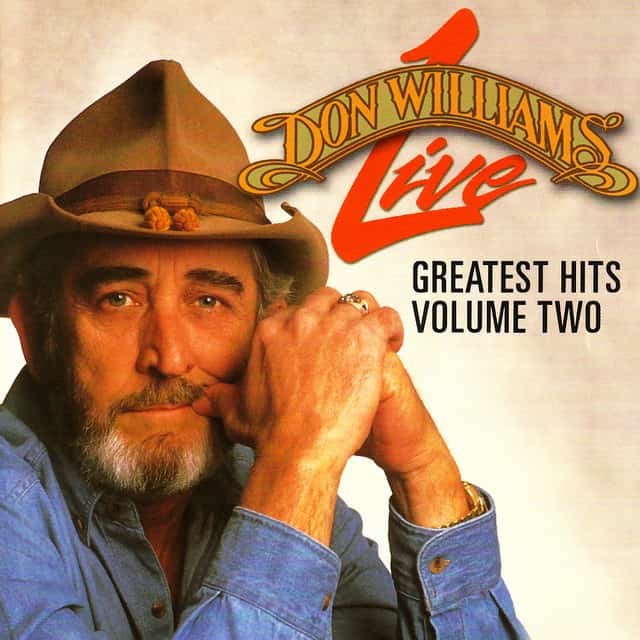
When discussing the enduring warmth of classic country music, few artists embodied quiet sincerity as completely as Don Williams. Among his lesser known yet deeply affecting songs, “It’s Good to See You” stands as a soft spoken testament to friendship, memory, and the simple grace of seeing a familiar face after a long absence. While the song was never released as a major chart single and therefore did not claim a position on the Billboard country rankings at the time of its appearance, its emotional resonance has allowed it to live far beyond the mechanics of chart success. It found its natural home in Don Williams’ live performances and later appeared on live collections such as Greatest Hits Live, Vol. 2, where its meaning deepened through the intimacy of audience connection.
By the time “It’s Good to See You” entered his repertoire, Don Williams was already a defining voice of country music. Known worldwide as “The Gentle Giant,” he had built a career on understatement, restraint, and emotional honesty. His chart history was already secure with classics like “Tulsa Time,” “Good Ole Boys Like Me,” “I Believe in You,” and “Lord, I Hope This Day Is Good.” What makes “It’s Good to See You” special is that it does not aim for grandeur or drama. Instead, it reflects the quieter chapters of life, the moments when experience has softened ambition and memory has become more precious than momentum.
The song unfolds like a conversation held at the front door of an old home. Lines such as “Oh, how I’ve missed you, since I’ve been gone” and “And it’s good to see you, to be in your home” speak not of romance or regret, but of recognition. This is a song about returning, about standing still long enough to acknowledge that time has passed and something meaningful has endured. In classic Don Williams fashion, the delivery is unforced, almost conversational, allowing listeners to place their own lives inside the song’s spaces.
The story behind “It’s Good to See You” aligns closely with the artist’s own worldview. Throughout his career, Don Williams resisted the flash and urgency of fame. He toured steadily, lived quietly, and often spoke about the importance of normal human connections over industry pressure. This song reflects that philosophy. It celebrates reunion not as an event, but as a feeling. There is no urgency, no climax, only gratitude. The joy comes not from what has changed, but from what remains familiar.
Musically, the arrangement supports the message with gentle acoustic textures, subtle steel guitar, and a relaxed tempo that invites reflection. There is space in the music, allowing the words to breathe. This restraint is deliberate. Don Williams understood that older listeners do not need to be persuaded. They need to be understood. The song trusts the listener’s own memories to complete its meaning.
The deeper significance of “It’s Good to See You” lies in its recognition of distance and return as natural parts of life. People leave. Paths diverge. Years pass quietly. Yet the song suggests that true connection does not weaken in silence. It waits patiently. When the door opens again, the bond feels intact, familiar, and quietly strong. This message resonates especially deeply with listeners who have lived long enough to understand how rare such connections truly are.
In the broader context of Don Williams’ legacy, this song reinforces why his work continues to matter. He did not sing to impress. He sang to reassure. “It’s Good to See You” is not about nostalgia as loss, but nostalgia as comfort. It reminds us that life does not always need explanation or resolution. Sometimes, it simply needs acknowledgment.
Decades after its introduction, the song still feels relevant because it speaks to something timeless. In a world that moves faster with every passing year, Don Williams offered a moment of stillness. A voice that did not rush. A song that did not demand attention. Just a quiet reminder that some greetings mean more than words, and some friendships survive every mile in between.