
Five Minutes: When Love Is Measured Not in Years, but in a Final Breath of Time
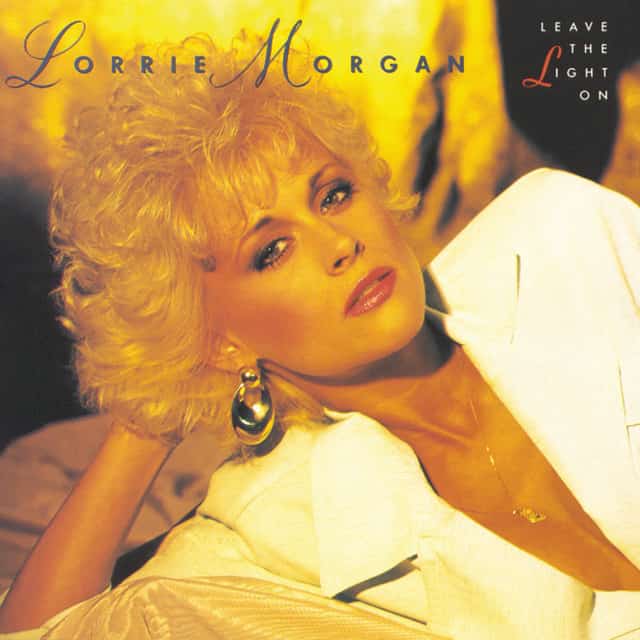
Released at the dawn of the 1990s, “Five Minutes” stands as one of the most emotionally precise moments in modern country music. Recorded by Lorrie Morgan for her debut album Leave the Light On, the song was written by the gifted Beth Nielsen Chapman, a songwriter known for her rare ability to translate private emotional reckonings into universal truths. In April 1990, “Five Minutes” reached number one on the Billboard Hot Country Singles & Tracks chart, marking Lorrie Morgan’s first chart-topping hit and firmly establishing her voice in a genre that was quietly redefining itself.
At the time of its release, country music was shifting. The polish of the late 1980s was giving way to songs that favored emotional clarity over ornamentation. “Five Minutes” arrived without spectacle, but with devastating focus. It did not shout its intentions. It spoke plainly, and that was precisely its power.
The premise of the song is deceptively simple. A woman tells her lover that he has five minutes to find a way to save their failing relationship. Not five days. Not five conversations. Just five minutes. Yet within that narrow window of time, an entire emotional history unfolds. The song never describes dramatic betrayals or grand betrayals of trust. Instead, it captures something far more familiar and painful. The slow erosion caused by neglect, by unspoken distance, by love assumed rather than tended.
Beth Nielsen Chapman wrote the song with a songwriter’s restraint and a survivor’s insight. The lyrics do not accuse. They observe. They do not beg. They state. The ticking clock becomes a metaphor for all the moments couples believe they can postpone until later, only to discover that later has quietly disappeared. The genius of “Five Minutes” lies in what it leaves unsaid. The listener is invited to fill in the years that led to this ultimatum.
Lorrie Morgan’s performance is the song’s emotional anchor. Her voice carries a clarity that feels both resolute and vulnerable. She does not dramatize the moment. She inhabits it. There is no tremble that asks for sympathy, only a steady tone that suggests a woman who has already cried her tears in private. By the time she speaks these words aloud, she is simply telling the truth.
This restraint is what made the song resonate so deeply upon release. In 1990, audiences recognized themselves in it. Many had lived through moments where love did not collapse in an instant, but faded through small delays and unkept promises. “Five Minutes” gave voice to those quiet endings that leave no obvious villain, only regret and realization.
Musically, the arrangement supports the narrative without intruding upon it. The instrumentation is understated, allowing space for the lyric to breathe. There is no rush in the tempo, yet an unmistakable urgency pulses beneath the surface. The song feels suspended in time, as though the listener is standing in the same room as the protagonist, waiting for an answer that may never come.
The success of “Five Minutes” was more than a commercial milestone for Lorrie Morgan. It defined her artistic identity early in her career. While she would go on to record many powerful songs, this one set the emotional standard. It showed that her strength lay not in vocal acrobatics, but in emotional honesty. It also affirmed Beth Nielsen Chapman’s reputation as a songwriter who understood that the most profound heartbreaks are often expressed in the quietest words.
Decades later, “Five Minutes” continues to endure because its message has not aged. Time remains the one resource no one can reclaim. The song reminds listeners that love does not usually end because people stop caring. It ends because they stop paying attention. And sometimes, by the time that truth is spoken aloud, only five minutes remain.
In that sense, “Five Minutes” is not merely a country hit from 1990. It is a mirror, held gently but firmly, reflecting moments many recognize long after they have passed.