
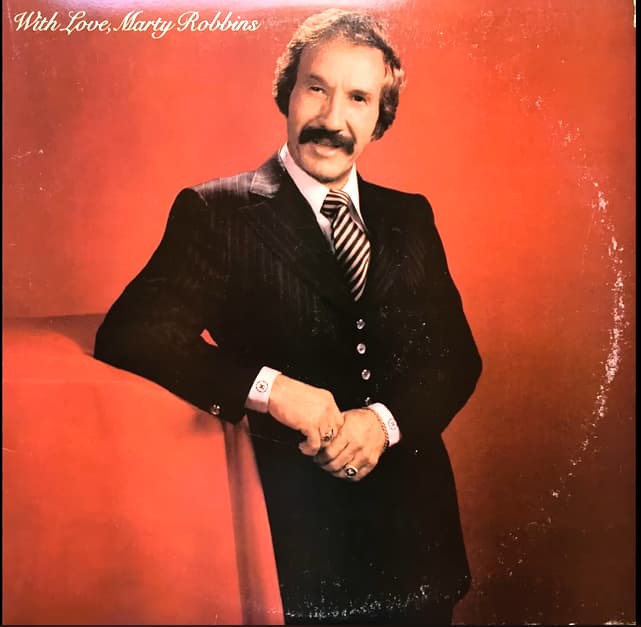
Marty Robbins – The Last Letter: A Masterpiece of Heartbreak and Finality
In the tapestry of country music, few songs carry the sheer emotional weight of “The Last Letter.” Featured on Marty Robbins’ 1960 album More Gunfighter Ballads and Trail Songs, this track is a profound exploration of a heart that has finally reached its breaking point. While the album was a major success, reaching Number 11 on the Billboard Top Country Albums chart, this particular song—written by the “Father of Western Swing,” Rex Griffin—became a showcase for Marty’s ability to turn a simple song into a Greek tragedy. It is a song for those who have lived long enough to know that some goodbyes are not just endings, but permanent erasures.
To listen to Marty’s version of “The Last Letter” is to hear a vocalist at the peak of his empathetic power. The story behind this recording is one of traditional reverence. Rex Griffin wrote the song in the 1930s, and it had been covered by everyone from Jimmie Davis to Hank Williams. But Marty, with his “velvet” baritone and his mastery of the Nashville Sound, brought a level of cinematic intimacy to the track that made it feel brand new. Recorded during the sessions that solidified his status as the premier storyteller of the West, the song uses a sparse, weeping arrangement to let Marty’s voice act as the primary instrument of sorrow.
The story within the lyrics is an agonizingly personal farewell. The narrator is writing a final letter to the woman he loves, acknowledging that his presence is no longer wanted. It is a narrative of absolute resignation. He speaks of a love that was “true and pure,” now met with coldness and indifference. The most cutting part of the story is his decision to wander “to some far-off land” where he will never be heard from again. He isn’t asking for a second chance; he is simply documenting the death of a dream. It is the story of a man who chooses the silence of the distance over the pain of a love that has died.
The profound meaning of this ballad strikes a deep, resonant chord with a mature audience because it honors the dignity found in surrender:
- The Reality of Unrequited Devotion: It acknowledges the painful truth that you cannot make someone love you. For those of us who have faced the end of a long road in a relationship, the song validates the decision to walk away with one’s head held high.
- The Finality of the “Written Word”: In our era of instant messaging, the idea of a “last letter” carries a heavy, nostalgic weight. It reflects a time when a letter was a permanent, physical testament to one’s feelings—a final record that couldn’t be deleted or retracted.
- The Solitude of the Wanderer: The narrator’s plan to disappear into the “far-off land” echoes the classic Western archetype of the lonely drifter. It reflects a maturity that understands that sometimes, the only way to heal is to put a world of distance between yourself and your past.
Marty Robbins delivers this performance with a voice that is as clear as a bell but filled with a “hollow” ache. He handles the soaring high notes of the chorus with an effortless, crying quality that defines the best of country music. The arrangement is quintessential More Gunfighter Ballads—featuring a slow, rhythmic acoustic guitar and the soft, ghostly harmonies of the Jordanaires that sound like the wind whistling through an empty house. For our generation, “The Last Letter” is a timeless piece of emotional honesty; it reminds us that while love may end, the grace with which we say goodbye is what truly defines us.
 Music Legend