
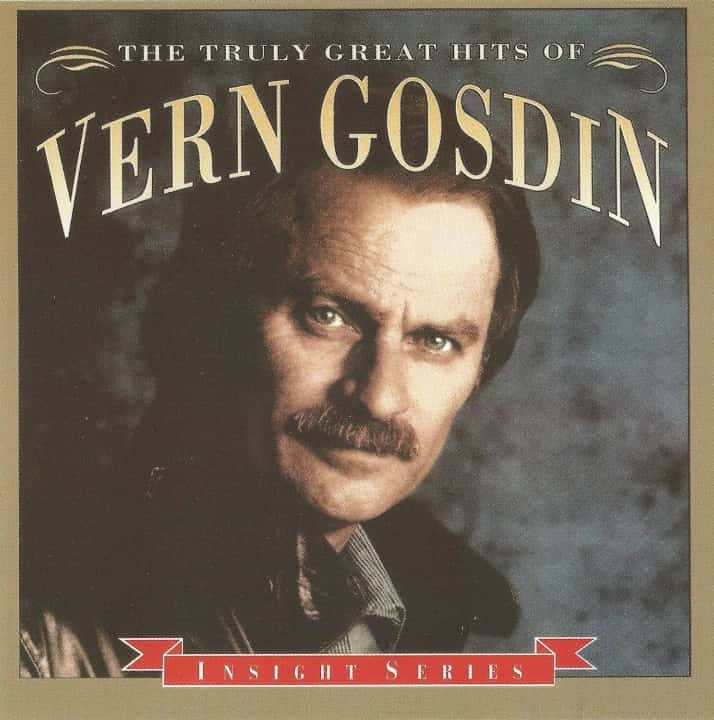
A Quiet Man’s First Triumph, When Honesty Finally Reached the Top of the Charts
Released in March 1984, “I Can Tell by the Way You Dance (You’re Gonna Love Me Tonight)” marked a turning point not only in the career of Vern Gosdin, but in the emotional vocabulary of mainstream country music. It was the song that finally carried his unmistakable voice to the summit, becoming his first No. 1 single on the Billboard Hot Country Singles chart in the United States and simultaneously reaching No. 1 on Canada’s RPM Country Tracks chart during the summer of 1984. For a singer long admired by peers yet often overlooked by charts, this moment felt earned rather than sudden.
The song also served as the lead single from the album There Is a Season, released on the independent label Compleat Records. That detail matters. At a time when major labels dominated radio, Gosdin’s success felt personal, almost intimate, as if the song had traveled from jukeboxes and car radios straight into the hearts of listeners without corporate polish. The record opened the album’s door not with spectacle, but with emotional clarity.
The story behind the song carries its own irony. “I Can Tell by the Way You Dance (You’re Gonna Love Me Tonight)” was not originally written with Vern Gosdin in mind. It first appeared in 1980, performed by Johnny Lee for the film Coast to Coast. When the song was offered to Gosdin, he initially turned it down, believing it leaned too far toward a rock and roll feel. At that point in his life, Gosdin was deeply protective of his musical identity. He was not chasing trends. He was chasing truth.
What changed was not the song, but perspective. When Gosdin finally reconsidered it, he did not soften it or reshape it to fit fashion. Instead, he leaned into what he did best. He slowed the emotional pulse, let the phrasing breathe, and delivered the lyric with a quiet confidence that suggested experience rather than bravado. In his hands, the song stopped being about prediction and became about recognition. Not hope, but certainty born of having lived long enough to know the signs.
Musically, the track balances gentle swing with restraint. The rhythm suggests movement, but never rushes. The arrangement leaves space for Gosdin’s voice, which carries a conversational warmth, almost as if he is speaking to someone across a small dance floor late in the evening. There is no shouting, no forced charm. The power lies in understatement. This was country music trusting silence as much as sound.
Lyrically, the song captures a moment many recognize but few articulate. That instant when physical closeness gives way to emotional inevitability. The narrator is not pleading. He is observing. The way you move, the way you respond, the way the night unfolds. The promise is not grand, but deeply human. Love here is not fireworks. It is gravity.
For Vern Gosdin, often called “The Voice” by those who knew the genre well, this song symbolized arrival without compromise. He had spent years refining a style rooted in gospel harmonies, heartbreak ballads, and emotional realism. This No. 1 did not change who he was. It simply confirmed that authenticity could still win.
Looking back, “I Can Tell by the Way You Dance (You’re Gonna Love Me Tonight)” stands as more than a chart achievement. It represents a moment when patience was rewarded, when a singer trusted his instincts long enough to recognize the right song at the right time. For listeners who remember hearing it on summer radios in 1984, it still carries that warm certainty. A reminder that some songs do not shout their importance. They simply stay, quietly, and tell the truth.
 Music Legend