
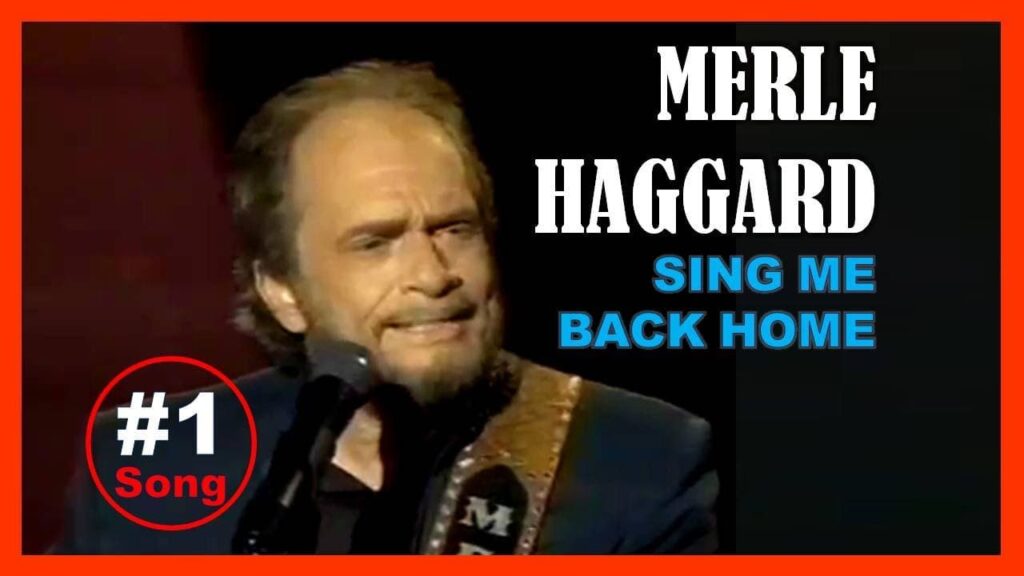
Merle Haggard and “Swinging Doors”: A “High-Fidelity” Anthem of the Lonesome Road
In the sophisticated, gold-tinged landscape of 1966, Merle Haggard released a recording that would become a definitive “velvet” snapshot of the Bakersfield Sound. With the track “Swinging Doors,” Haggard wasn’t just singing a barroom ballad; he was conducting a “high-level” exploration of a heart that has chosen solitude as its primary residence. For those of us who have followed “The Poet of the Common Man” through the decades—from the rhythmic grit of his early Tally recordings to his status as the definitive architect of country music’s crystalline authority—this song was a visceral revelation. It caught Merle at a peak where his “velvet” baritone could navigate the delicate boundary between a man’s quiet desperation and the rhythmic refuge of a neon-lit sanctuary.
The “story” behind “Swinging Doors” is a masterclass in the “mini-movie” style of lyrical precision. The narrative transforms a local tavern into a living, breathing character, where the “swinging doors” serve as the only entrance to a world where “The Truth” is found at the bottom of a glass and “Saving Face” is no longer a requirement. Merle’s delivery is a study in “velvet” authority; backed by the legendary Strangers and the sharp, rhythmic “twists and turns” of a Telecaster, he delivers the lyrics with an impeccable timing that suggests he was a “qualified” witness to the life he described. It was an era where the Capitol Records “high-fidelity” production was setting a new standard for the industry, and Merle was its most authentic architect.
For the sophisticated listener who has navigated the “highways and byways” of several decades, hearing Merle sing this today is a deeply evocative experience. It brings back memories of wood-paneled dens, the soft glow of a jukebox in the corner, and the realization that as we reach our silver years, the “swinging doors” of our own past remain etched in the landscape of our history. The lyrics speak to a reader who understands that true resilience is found in the ability to acknowledge one’s own heartaches with a sense of “velvet” dignity. For those of us who have seen the seasons turn, this song is a profound mirror of our own history and the quiet grit of a soul that has learned to walk its own trail.
The meaning of “Swinging Doors” lies in its unapologetic honesty and its sense of rhythmic defiance. Merle Haggard possessed the unique, almost magical gift of being a “vocal chameleon” who could inhabit the psyche of the blue-collar philosopher with total, soulful power. As we reflect on this 1966 masterpiece today, through the lens of our own decades of experience, we see it as more than just a honky-tonk hit; it is a testament to the enduring power of the narrative song to capture the essence of what it means to be truly human. The Master Storyteller may have eventually walked his last earthly trail, but in the shimmering, rhythmic notes of this song, his “velvet” legacy remains eternally clear.