
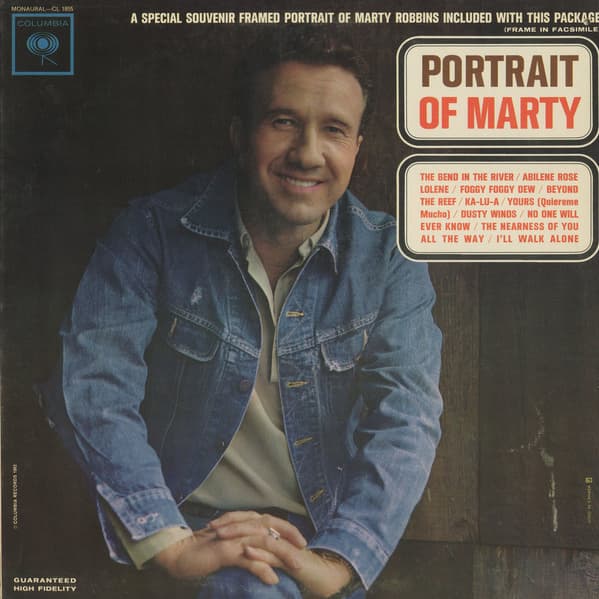
Marty Robbins – The Things I Don’t Know
- Marty Robbins and the “high-fidelity” depth of “The Things I Don’t Know”: A “velvet” exploration of life’s mysteries and quiet contemplations.
- The Gentle Giant’s crystalline authority: A performance that showcases his unique gift for inhabiting the “vocal chameleon” role with soulful sincerity.
- Columbia Records “360 Sound”: Providing the synchronized, rhythmic foundation for a “high-level” narrative of discovery.
- The Truth in the story: Navigating the “twists and turns” of the mind with impeccable timing and a heart full of history.
The “story” behind this recording is a masterclass in the “mini-movie” style of vocal restraint. As Marty navigates the landscape of uncertainty, he uses his signature “velvet” authority to turn a song about the unknown into a profound statement of intellectual and emotional honesty. It captures an era where the Nashville Sound was reaching its absolute zenith of “high-fidelity” sophistication, and Marty was its most compelling architect. His delivery is a study in crystalline precision; he phrases each line with a rhythmic grace that suggests a man who has seen the “ebbs and flows” of several decades and found comfort in the questions that remain unanswered.
For the sophisticated listener who has navigated the “highways and byways” of many years, hearing Marty deliver this track today is a deeply evocative experience. It brings back memories of wood-paneled dens and the realization that as we reach our silver years, the “quiet desperation” of the unknown has transformed into the peaceful landscape of our own history. The performance speaks to a “qualified” reader who understands that true dignity is found in the ability to acknowledge one’s limitations with a sense of “velvet” pride. For those of us who have seen the seasons turn, this recording is a profound mirror of our own history and the quiet grit of a soul that has learned to walk its own trail.
The meaning of “The Things I Don’t Know” in Marty’s hands lies in its unapologetic honesty and its sense of rhythmic grace. He reminds us why his era was so magical—it was a time of pure, “velvet” storytelling where the artist’s curiosity was just as important as their conviction. As we reflect on this archival treasure today, through the lens of our own decades of experience, we see it as more than just a deep cut; it is a testament to the enduring power of the narrative song to capture the subtleties of the human spirit. The Master Storyteller may have eventually moved on to another trail, but in the shimmering, rhythmic notes of this song, his “velvet” legacy remains eternally clear.