
The First Chord of a Legendary, Heartbreaking Duet: A Call for Redemption and Reunion
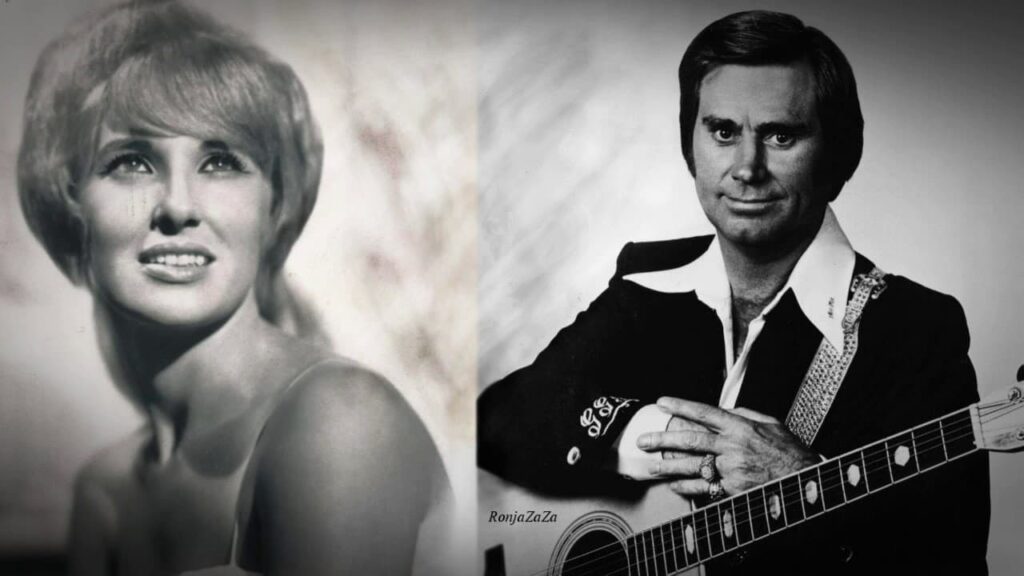
When we think back to the early 1970s, before the turbulence and tragedy truly took hold, the union of George Jones and Tammy Wynette was not just a marriage; it was a dazzling coronation. They were “Mr. and Mrs. Country Music,” and their duets were eagerly awaited, serving as the soundtrack to the beautiful, messy narrative they lived out in the public eye. Nothing quite signals the launch of that iconic musical collaboration like “Take Me,” the song that marked their official, long-awaited debut single as a duo.
This wasn’t an entirely new tune when they released it in 1971; George Jones had actually scored a respectable hit with his solo version of the song, which he co-wrote with Leon Payne, five years earlier in 1966, hitting No. 8 on the charts. However, it’s the 1971 version with Tammy Wynette—released on Epic Records and produced by the great Billy Sherrill—that resonates deepest in our collective memory. This rendition quickly climbed to No. 9 on the Billboard Hot Country Songs chart, proving that the magnetic pull between their voices was instantly irresistible to fans. It was the lead single from their first studio album together, We Go Together (1971).
The story behind this duet is steeped in the kind of delicious drama that defined their lives. For years, contractual obligations kept Jones and Wynette from recording together, despite having married in 1969. Jones was bound to his Musicor label, while Wynette was a reigning queen at Epic. It took significant effort—and a large financial settlement—for Jones to finally break free and join his wife at Epic, placing them both under the watchful, brilliant guidance of Billy Sherrill. “Take Me” became the glorious, long-anticipated sound of that union finally being consummated in the studio.
Lyrically, the song is a direct, almost desperate plea for a love that has gone cold to be rekindled. The narrator is deeply remorseful, admitting, “I’ve hurt you so, it makes me cry to think about the things I’ve done.” He’s asking, not demanding, but humbly begging for his partner to simply “Take Me” back, offering all of himself: his love, his time, and his future. When Jones—whose own demons were well-known even then—sings those lines of regret, and Wynette—the Queen of heartache and forgiveness—answers him with her perfect, aching harmony, it creates a palpable tension that transcended the simple words on the page.
For those of us who remember them as “The Possum” and the “First Lady of Country Music,” this recording is pure gold. It’s the sonic blueprint of their dynamic: the flawed, soulful man pleading for a second chance, and the strong, loving woman whose heart is both broken and hopeful. This song wasn’t just a duet; it was a deeply personal, almost theatrical conversation between two souls whose lives, both on and off stage, were destined to mirror the very songs they sang—a magnificent cocktail of brilliance, passion, and profound sadness. It perfectly set the stage for the roller-coaster of No. 1 hits and legendary heartbreaks that would follow.