
A Song About Compassion Disguised as Heartbreak, Where Love Learns to Forgive Before It Learns to Leave
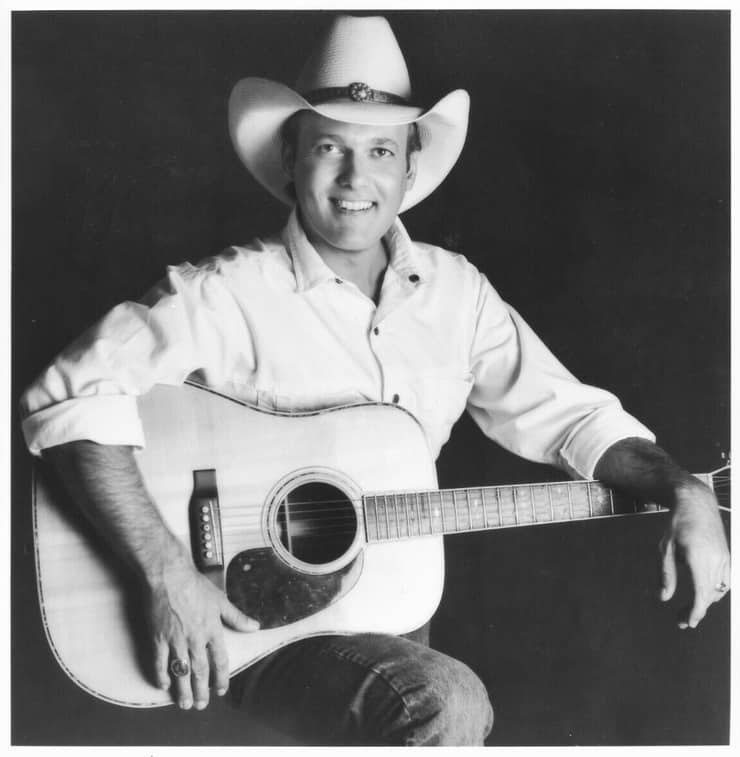
Few country songs have ever spoken so softly yet carried such emotional weight as “Life Turned Her That Way.” Recorded by Ricky Van Shelton and released in 1987, the song quickly rose to No. 1 on the Billboard Hot Country Songs chart, becoming the breakthrough single that introduced his voice to a national audience. It was featured on his debut album Wild-Eyed Dream, a record that would quietly reshape the sound of late-1980s country music by returning it to sincerity, restraint, and emotional truth.
At a time when country radio was beginning to lean toward polish and spectacle, Ricky Van Shelton arrived with something rarer: empathy. “Life Turned Her That Way” was not a new song. It had been written two decades earlier by the legendary Harlan Howard, one of country music’s most respected songwriters, and first recorded by Mel Tillis in 1967. Several artists had interpreted it over the years, but none had unlocked its quiet power quite the way Shelton did. His version did not modernize the song. Instead, it stripped it bare and trusted the story to breathe.
What made Shelton’s performance so compelling was not heartbreak itself, but understanding. The narrator does not blame a woman for her emotional distance. There is no bitterness, no accusation. The song speaks of past wounds, of disappointment and neglect that shaped her long before the present relationship began. The line at the heart of the song gently shifts responsibility away from the woman and onto life itself. Pain is not portrayed as cruelty. It is portrayed as history.
This perspective was unusual, even bold, in mainstream country music. Many songs of the era focused on betrayal, regret, or masculine pride. “Life Turned Her That Way” offered compassion instead. The narrator loves without demanding to be healed by love. That emotional maturity resonated deeply with listeners who had lived long enough to understand that people do not arrive unscarred.
Musically, the recording is understated. Gentle steel guitar lines hover like memory. The arrangement never overwhelms the vocal. Shelton’s baritone is calm, steady, and unforced, carrying the song with the patience of someone who has nothing to prove. There is no theatrical sorrow here. The sadness is lived-in, familiar, and quietly accepted.
For Ricky Van Shelton, the song marked a defining moment. Prior to this release, he was largely unknown outside regional circles. With this single, he became a voice for listeners who preferred honesty over drama. The success of “Life Turned Her That Way” set the tone for a career built on emotional realism, earning Shelton a devoted following and establishing him as one of the most respected traditionalists of his generation.
The song’s lasting significance lies in its refusal to judge. It acknowledges that love sometimes arrives too late to erase old damage, yet still chooses tenderness. That message has aged gracefully. Decades later, it continues to speak to anyone who has learned that love is not always about fixing what is broken, but about understanding why it broke in the first place.
In the end, “Life Turned Her That Way” is not merely a sad song. It is a compassionate one. It reminds listeners that some hearts are shaped by storms long forgotten, and that kindness, not blame, is often the truest form of love.
 Music Legend