
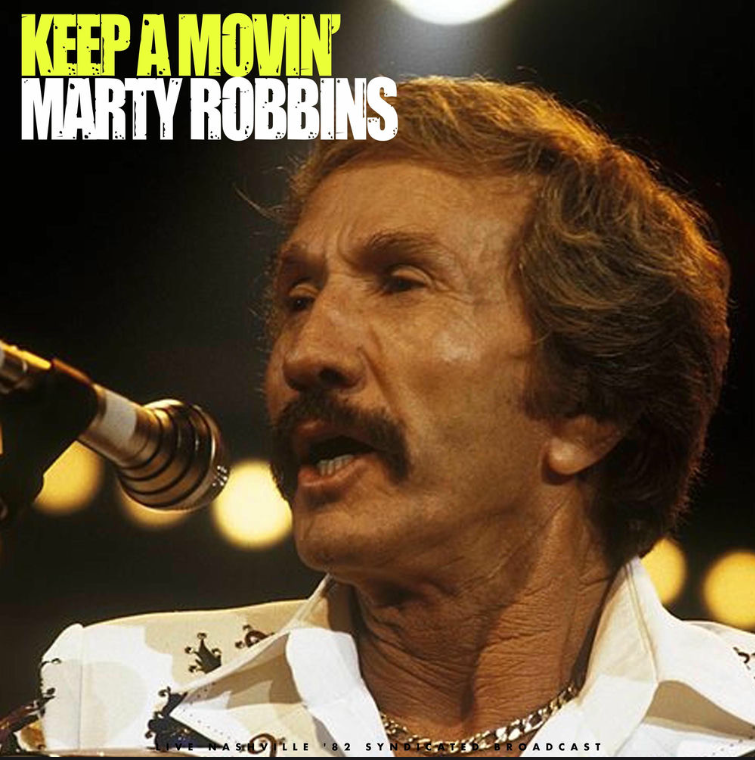
Marty Robbins – She Means Nothing to Me Now: A Study in the Quiet Defiance of a Healing Heart
In the extensive catalog of Marty Robbins, there is a particular category of songs that deals with the aftermath of a great storm. Released in 1962 on the album Portrait of Marty, “She Means Nothing to Me Now” is a sophisticated, “Countrypolitan” ballad that captures a man in the act of convincing himself he is finally free. While the album was a commercial success, reaching No. 10 on the Billboard Top Country Albums chart, this track stands out as a masterclass in vocal subtlety—a song that says as much in its quiet moments as it does in its lyrics.
For the reader who has navigated the complex waters of long-term relationships and the eventual quiet that follows a parting of ways, this song carries a deep, resonant truth. Marty Robbins, with a voice that was perhaps at its most refined during the early sixties, delivers a performance that is both steady and fragile. It is a song for the person who understands the “brave face” we put on for the world—the insistence that the ghosts of the past no longer have any power over us. For the mature listener, there is a profound irony in the title; we know that the more someone insists a person “means nothing,” the more space that person still occupies in the narrator’s thoughts.
The story behind the song is a classic example of the Nashville Sound at its most elegant. Written by Marty himself, it reflects his deep understanding of the human ego. In 1962, while many country songs were focused on the “tears in the beer” style of heartbreak, Marty chose a path of dignified denial. He understood that there is a certain stage of grief where we stop crying and start rebuilding, even if the foundation is still a bit shaky. He traded the high-lonesome wail for a smooth, conversational tenor, backed by the lush, polished instrumentation that became his hallmark during the Portrait sessions.
The lyrical meaning of “She Means Nothing to Me Now” lies in the tension between the words and the emotion behind them. The narrator lists the reasons why he is over his former love—he doesn’t miss her touch, he doesn’t long for her kiss—but the very act of listing them reveals his preoccupation. For those of us looking back through the lens of our own decades, the song captures that transitional period of life where we are “trying on” a new version of ourselves. Marty’s phrasing, particularly his signature controlled vibrato, suggests a man who is holding his breath, hoping that if he says it enough times, it will finally become the absolute truth.
Musically, the track is a beautiful example of early 60s intimacy. It features a soft, rhythmic pulse and a melodic arrangement that allows Marty’s voice to remain the centerpiece. The production is clean and uncluttered, creating a sense of being in the room with him as he makes his quiet proclamation. To listen to this track today is to appreciate the nuance of a man who could sing about the “big” emotions of the West but was equally adept at the “small,” private battles of the heart. Marty Robbins reminds us that healing is a process, and sometimes the first step toward freedom is simply telling ourselves that the past no longer has a hold.
 Music Legend