
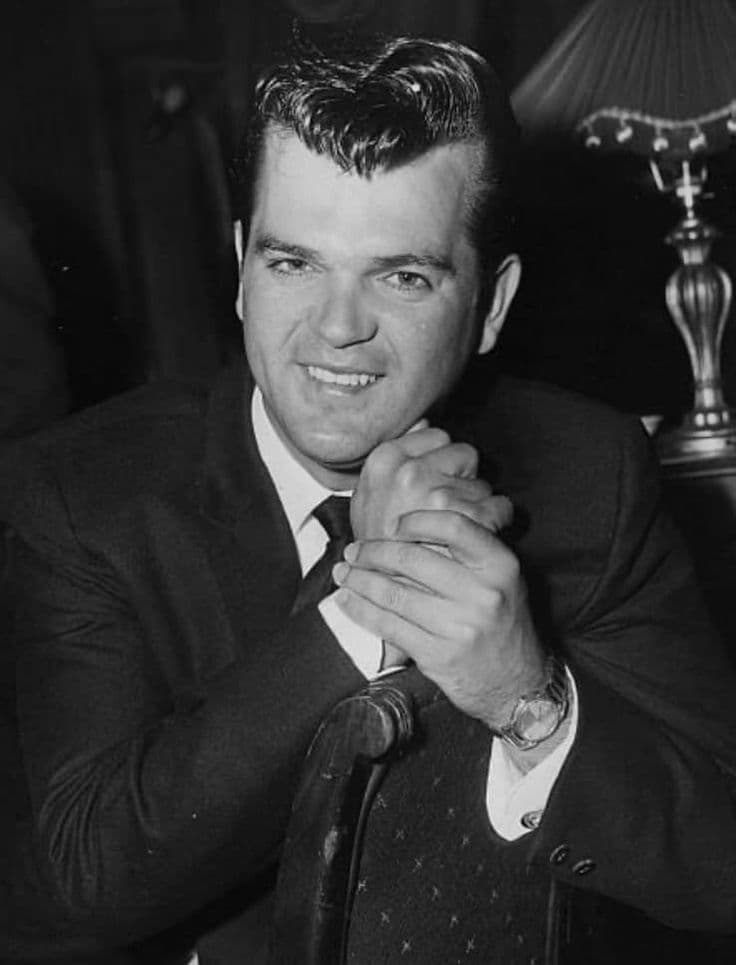
Conway Twitty and Loretta Lynn and “As Soon as I Hang Up the Phone”: A Masterclass in the Cinematic Heartbreak of a Long-Distance Goodbye
In the mid-1970s, at the very height of their reign as the “First Couple of Country Music,” Conway Twitty and Loretta Lynn released a track that would become one of the most uniquely dramatic entries in the Nashville canon. Released in 1974, “As Soon as I Hang Up the Phone” was a daring experiment in narrative form—a “spoken word” dialogue set against a weeping musical backdrop. It quickly ascended to Number 1 on the Billboard Hot Country Songs chart, marking another triumph for the duo and proving that their chemistry was so potent it didn’t even require them to be in the same room to break a listener’s heart. For those of us who remember the crackle of the long-distance telephone lines of that era, this song wasn’t just a hit; it was a visceral, highly relatable tragedy of the modern age.
The “story” behind “As Soon as I Hang Up the Phone” is a testament to the theatrical brilliance of Conway Twitty. While many duets of the era focused on harmonious choruses, this song—penned by Conway himself—is structured as a one-sided telephone conversation. We hear Loretta’s voice, desperate and hopeful, pleading for a reconciliation, while Conway responds not with song, but with a series of devastating, spoken-word rejections. His “velvet” baritone, normally used to soothe and seduce, here becomes the instrument of a cold, final goodbye. The contrast between Loretta’s soaring, emotional vulnerability and Conway’s resolute, spoken-word detachment created a tension that had never been heard on country radio before. It was a bold move for Columbia Records and MCA, and it solidified the duo’s reputation as the “Master Storytellers” of the domestic drama.
For the sophisticated listener who has spent a lifetime navigating the complexities of relationships, hearing this track today is a journey into a specific kind of nostalgia. It evokes memories of the heavy, rotary-dial telephones, the tangled cords, and the terrifying weight of a conversation that could change your life forever. The lyrics—”I can’t believe you’re saying we’re through”—speak to the “qualified” reader who understands the “quiet desperation” of a love that has reached its end. For those of us in our silver years, the song is a mirror of the digital and physical distances we have all had to bridge. It reminds us of a time when the “Gentle Giant” of a baritone and the “Lady of Country Music” could make a three-minute telephone call feel like a three-hour epic film.
The meaning of “As Soon as I Hang Up the Phone” lies in its unapologetic honesty. It captured the raw, unpolished reality of a breakup in a way that felt almost voyeuristic. Conway and Loretta possessed the unique gift of making the listener feel like a confidant to their shared secret. As we reflect on this masterpiece today, through the lens of our own decades of life, we see it as a testament to the power of human connection—and the devastating silence that follows when that connection is severed. While the technology of the “hang up” has changed, the heartbreak remains the same. To listen to it now is to sit once more with Conway and Loretta, acknowledging that sometimes, the hardest things to say are the ones spoken just before the line goes dead.
 Music Legend