
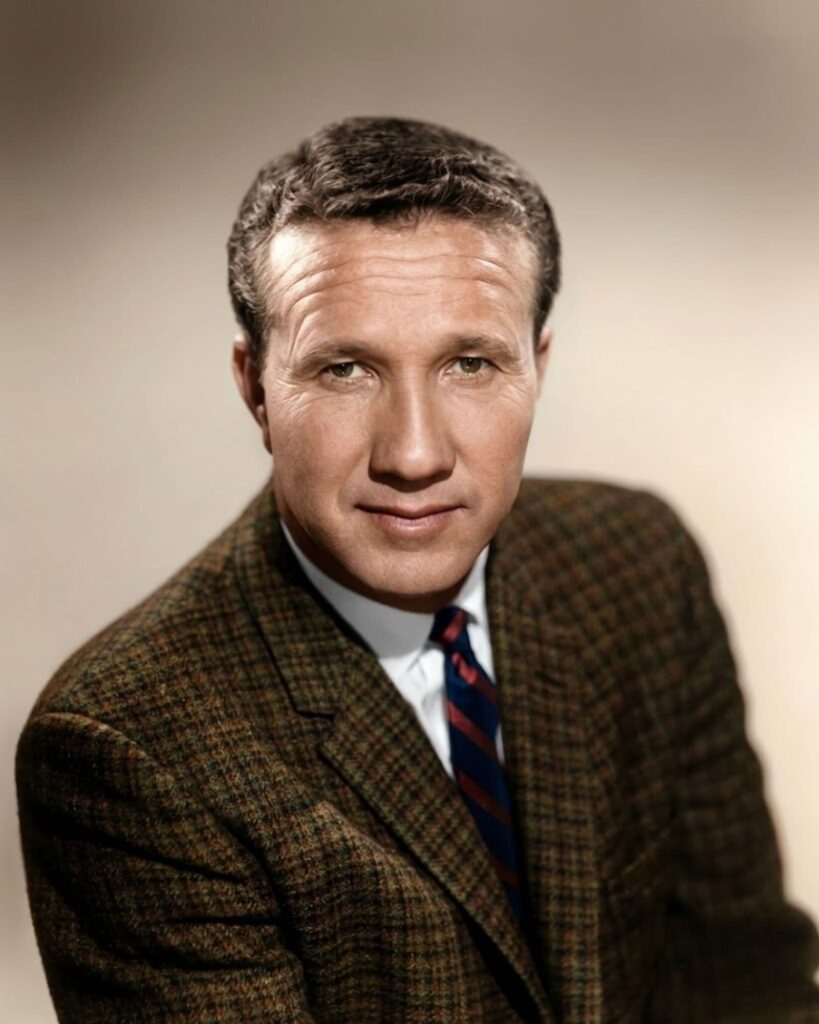
Marty Robbins and “The City”: A Haunting “Mini-Movie” of Ambition, Loss, and the Cold Shadows of the Urban Dream
In the cinematic history of country music, there are songs that act as windows, and then there are those—like “The City”—that unfold like a widescreen tragedy. When Marty Robbins stepped onto the stage of The Johnny Cash Show in the early 1970s, he brought with him a narrative so potent and somber it hushed the Ryman Auditorium. Written by Marty himself, “The City” is a masterclass in the “short-story” style of songwriting that earned him the title of The Master Storyteller. While it may not have reached the heights of the Billboard pop-crossover charts like his Western epics, for the “qualified” listener who values the depth of a lyric over the tempo of a beat, this track remains one of the most profound and heartbreaking compositions of his entire Columbia Records tenure.
The “story” behind “The City” is a timeless American cautionary tale, delivered with the “velvet” gravity that only Marty Robbins could summon. It follows a young girl, fueled by the neon-lit promises of fame and a better life, as she leaves her small-town love behind to “make something of herself” in the towering, indifferent metropolis. Marty’s vocal delivery is a masterclass in his “Gentle Giant” style; he portrays the narrator’s lingering hope and eventual, crushing despair with a quiet, melodic dignity. The tragedy lies in the reunion: she does indeed return, but not as the star she dreamed of becoming. Instead, the couple is reunited only in the cold finality of death. It is a “mini-movie” in every sense, utilizing every second of its runtime to build a world of atmosphere, shadow, and regret.
For the sophisticated listener who has spent a lifetime observing the “bright lights” of the world and the toll they can take, hearing Marty sing “The City” today is a deeply evocative experience. It brings back memories of an era when the “City” represented both the ultimate goal and the ultimate danger for a generation of rural youth. The lyrics speak to a universal truth that many of us in our silver years have witnessed: that the pursuit of “success” can often cost more than we are prepared to pay. For those of us who remember watching Marty on The Johnny Cash Show, the performance is a mirror of our own reflections on the choices we’ve made and the paths we’ve left behind. It reminds us of a time when the Master Storyteller could take a simple guitar and a tragic tale and make the whole world feel the weight of a single, broken dream.
The meaning of “The City” lies in its unapologetic sadness. Marty Robbins possessed the unique, almost magical gift of being able to find beauty in the most tragic of circumstances. He didn’t shy away from the “darker” side of the human condition; he painted it with a compassionate, resonant tenor that made the listener feel the protagonist’s pain as if it were their own. As we reflect on this masterpiece today, through the lens of our own decades of life, we see it as a testament to Marty’s fearless artistry. He understood that a great story doesn’t always need a happy ending—it just needs to be true. To listen to it now is to sit once more with Marty, acknowledging that while the “City” may be cold, the warmth of a story well-told is eternal.
 Music Legend