
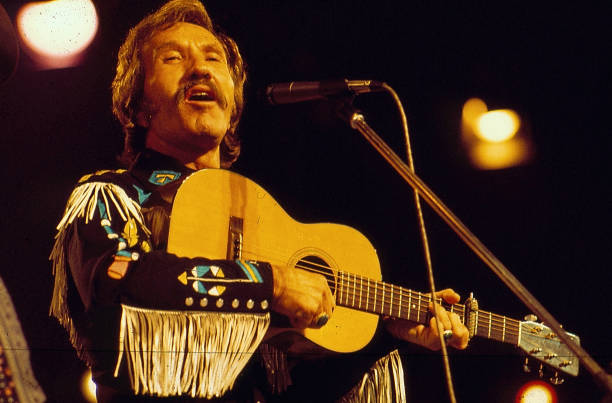
Marty Robbins – Gunfighter Ballads and Trail Songs: A Timeless Western Epic
If there is one album considered the “Bible” of cowboy music—a masterpiece that transformed the dusty sands of the Arizona desert into musical diamonds—it is Gunfighter Ballads and Trail Songs.
Released in September 1959 by Columbia Records, this album was not just a turning point in Marty Robbins’ career; it was a crowning achievement in American cultural history. Recorded in just a single day, Marty created one of the first true “concept albums” in Country music, leading listeners away from reality and into a world of outlaws, drifters, and sun-drenched trails.
The Call of the Frontier
From the very first guitar notes of the legendary opening track, “El Paso,” the listener is instantly hypnotized. This album isn’t meant for casual background listening; it is a cinematic journey through sound. For those who have lived through the decades, every time the needle hits the vinyl of this record, the golden age of Western cinema roars back to life.
Marty Robbins doesn’t just sing; he plays a role. Supported by the brilliant guitar duo of Grady Martin and Jack Pruett, along with the smooth harmonies of The Glaser Brothers, the album creates an atmosphere that is simultaneously majestic and lonely. It is the sound of absolute freedom, tempered by danger and the ultimate price of the outlaw life.
Stories Written in Blood and Dust
The magnetic pull of this album lies in Marty’s masterful storytelling. Every song is a short film:
- “El Paso”: An epic of love and death, where a young cowboy sacrifices everything for the haunting Felina. This is the song that redefined the “ballad” for Country music.
- “Big Iron”: The tale of the Arizona Ranger and the outlaw Texas Red. Each lyric rings out like footsteps on a deserted street at high noon.
- “Cool Water”: A desperate prayer in the scorching heat, reminding us of the most primal values of life.
For the mature listener, these songs carry a deeper weight. They speak of honor, of standing by one’s choices, and of the fleeting nature of existence. Marty’s “Velvet Voice” here isn’t just sweet; it is weathered, resolute, yet full of empathy.
The Pinnacle of High-Fidelity Artistry
Technically, this remains one of the best-sounding albums of the 1950s. The clarity of the acoustic guitars, the “thump” of the bass mimicking a galloping horse, and Marty’s vocals are captured with such intimacy that you can practically feel his breath. The minimalist yet effective arrangements have ensured the album never feels dated. Whether it’s 1959 or 2026, Gunfighter Ballads and Trail Songs feels as vivid as if the band were playing right in your living room.
When we listen to this album in its entirety, from “Running Gun” to “The Master’s Call,” we aren’t just hearing music. We are witnessing a legend at his zenith, turning the myths of the West into immortal melodies.
 Music Legend