
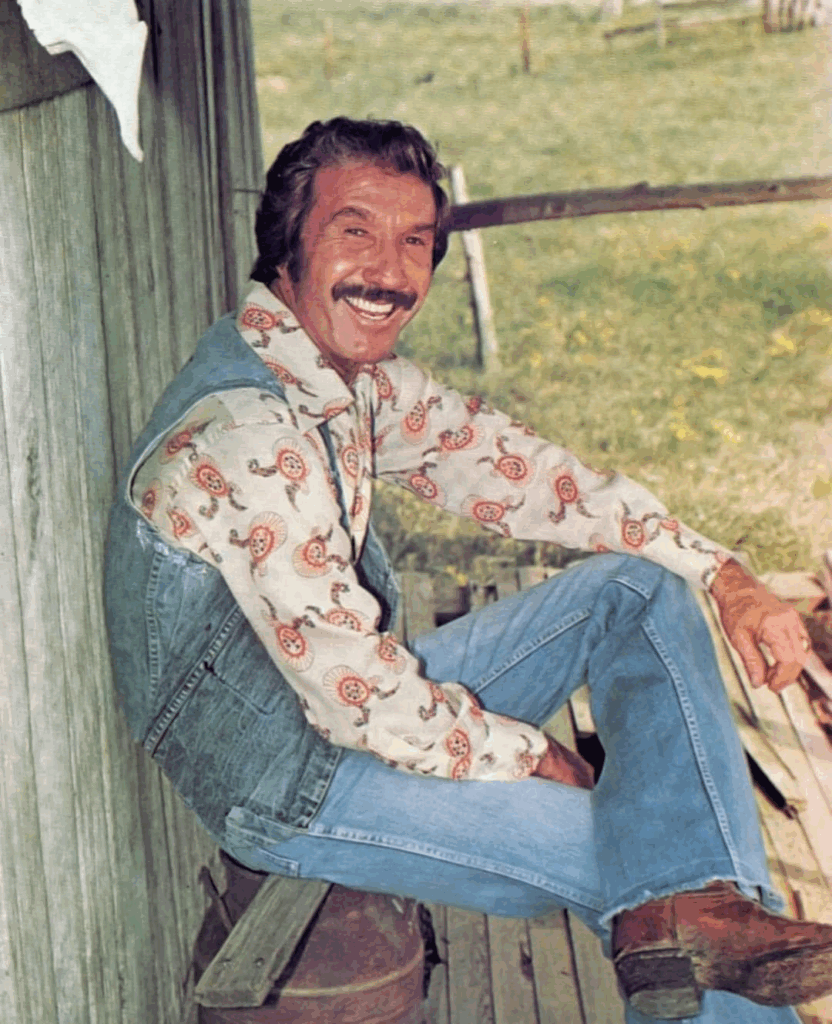
Marty Robbins – I Walk Alone
A soul‑piercing reflection on loss and solitude
“I Walk Alone” by Marty Robbins stands as one of the most poignant songs in his vast catalog. Released in August 1968 as the lead single and title track from the album I Walk Alone, the song quickly rose to the top of the country music world. It became Robbins’ thirteenth number one on the U.S. country singles chart, holding that spot for two weeks and remaining on the chart for fifteen weeks in total.
From the very first chords, Robbins draws you into a world of quiet heartbreak. The lyrics speak of a love lost, a once‑shared path now walked alone. The narrator wanders through memories and empty streets kind of like an old photograph coming back to life — but the person he once walked beside is gone. In Robbins’ voice there is no bitterness, no anger, only a deep, mournful acceptance that this new life of solitude is his to bear.
This version of “I Walk Alone” was not originally his own. The song was first recorded decades earlier by Eddy Arnold, back in 1945. By choosing to revisit the piece in 1968, Robbins breathed new emotional life into it. His rendition transformed the song from a bygone ballad into a timeless expression of loss that resonated deeply with many listeners — especially those who, with years behind them, had known love and loss themselves.
Beyond chart performance, the song’s significance lies in how it connects with the human experience. For listeners of a certain age, “I Walk Alone” becomes more than a country hit — it becomes a mirror. Perhaps you remember walking beside someone under a summer sunset. Perhaps you recall being left alone when love faded or life changed in ways you didn’t expect. Robbins invites us to step quietly into those feelings, to remember and to grieve — but also to endure.
The album I Walk Alone, released shortly after the single, did almost as well. It reached No. 2 on the country album chart and stayed there for 26 weeks. That success shows how Robbins, already a giant in country music, was still able to touch listeners deeply even decades into his career.
When you listen to “I Walk Alone” today, it still carries the same power. The sparse arrangement, Robbins’ gentle but resonant baritone, the lingering melancholy — together they evoke a sense of quiet resignation, heartbreak, and the unwavering dignity of someone who keeps walking even when there is no one beside him. For older listeners, those who’ve loved and lost, it often becomes less about the song and more about memory.
In a world full of noise and hurry, “I Walk Alone” reminds us that some songs are meant for silence — for reflection. For those evenings when the past floats gently back. For those moments when walking alone is not surrender, but survival.
 Music Legend