
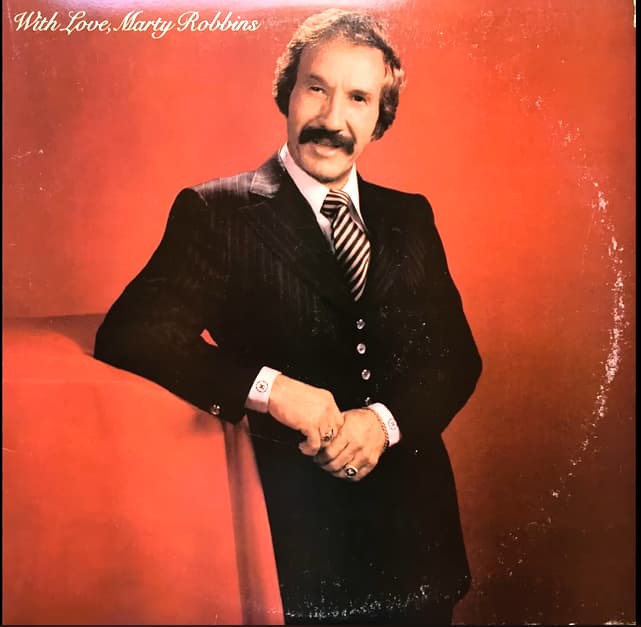
Marty Robbins – Lonely Too Long: The Quiet Ache of a Heart Unmoored
If Marty Robbins was the undisputed master of the epic Western ballad, he was equally masterful at capturing the subtle, lingering ache of a solitary heart. The song “Lonely Too Long,” featured on his 1965 album Saddle Tramp, is a brilliant example of this, offering a less dramatic, but intensely personal, reflection on the weariness of solitude. While it may not carry the explosive drama of his “gunfighter ballads,” this track resonates with a deep, common human experience—the realization that prolonged isolation has begun to change one’s very soul.
“Lonely Too Long” was released during a period where Robbins was exploring a wider range of themes beyond the frontier sagas, but always retaining that signature blend of clarity and emotional depth. Although it didn’t generate the headline-grabbing chart performance of his biggest hits, it was a staple track that showcased his enduring popularity and his consistency in delivering poignant material. It reached a respectable peak of Number 12 on the Billboard Hot Country Singles chart in 1965, demonstrating its connection with listeners who appreciated a more introspective and relatable storyline.
The song’s power lies entirely in its simplicity and vulnerability. It tells the story of a man who has grown accustomed to his own company. He isn’t necessarily heartbroken; he is simply tired. The lyrics paint a picture of a life lived for too long without genuine connection, where the silence has become an expectation, and the lack of a loving presence has become the norm. The narrator isn’t begging for love, but rather making a quiet, weary admission: he has been “lonely too long.”
The profound meaning here is not about a sudden, tragic loss, but about the slow, corrosive effect of chronic loneliness. It touches upon the deep-seated fear that one might become too comfortable in isolation, losing the very ability to reconnect. The narrator is reaching out, not from a place of desperation, but from a growing, quiet realization that if he waits any longer, he may not remember how to love, or how to be loved, at all. The phrase “Lonely too long” is therefore a wake-up call, a gentle plea for someone to break the cycle before the walls built by solitude become impenetrable.
For those of us who cherish the vintage sound of mid-century country music, Marty Robbins’ delivery here is exquisitely restrained. His voice, typically so powerful in narrative, softens to convey a sense of genuine vulnerability and resignation. The music is sparse and melodic, allowing the heavy weight of the lyrics to carry the emotional burden. It’s a beautifully crafted ballad that serves as a quiet reminder of the profound necessity of human connection, affirming that even the strongest among us can eventually be undone by the simple absence of a warm hand to hold.
 Music Legend