
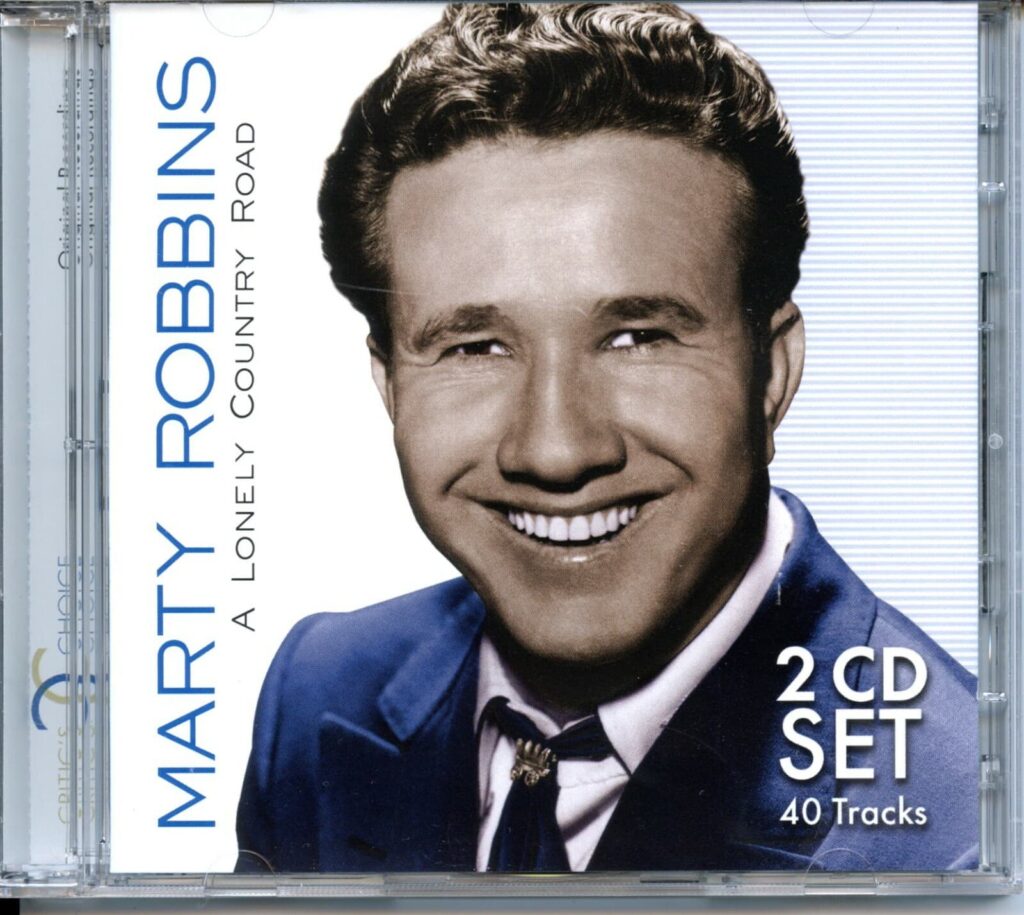
Marty Robbins – Won’t You Forgive
Marty Robbins – Won’t You Forgive: A Heartrending Plea for Grace in the Twilight of Regret
There are moments in the quiet hours of the night when the echoes of our past mistakes grow louder than the present, and it is in this vulnerable space that Marty Robbins truly resides. In 1963, amidst the release of his profoundly moving album Portrait of Marty, he gave us “Won’t You Forgive,” a song that strips away the bravado of the frontier and replaces it with the raw, trembling heart of a man seeking redemption. While the album itself was a commercial triumph, reaching Number 7 on the Billboard Top Country Albums chart, this particular track stood out as a masterclass in the “Nashville Sound”—a sophisticated, tear-stained ballad that resonated deeply with a generation that understood that pride is a cold companion in a lonely house.
For those of us who remember the classic television broadcasts or the crackling warmth of a vinyl record playing in the living room, a Marty Robbins performance was always an event of high emotional stakes. When he sang “Won’t You Forgive,” he wasn’t just a singer on a stage; he was a man standing at a metaphorical altar, confessing for all of us. The story behind this recording is one of artistic transition. During the early 60s, Robbins was moving toward a lush, orchestral style of country music that allowed his unique “crying” vibrato to take center stage. This song, with its gentle swell of strings and the haunting background harmonies of the Jordanaires, served as the perfect vessel for a message that is as old as time itself: the desperate need for a second chance.
The story of the song is a direct, unfiltered appeal to a lost love. It doesn’t hide behind metaphors or clever wordplay; it is a straightforward admission of guilt and a humble request for mercy. The narrator is a man who has looked into the mirror of his own actions and realized that he has traded a lifetime of happiness for a moment of foolishness. The lyrics carry the weight of someone who has finally stopped running and started reflecting. He isn’t demanding to be taken back; he is simply asking for the “forgiveness” that would allow his soul to find rest. It is a portrait of a man who has learned that the hardest word to say is often the only one that can save you.
The profound meaning of this ballad touches the very core of the human experience, especially for those of us who have lived long enough to know the high cost of a stubborn heart. It explores:
- The Burden of Remorse: It acknowledges that regret is a heavy stone to carry, and that true peace can only be found when we are willing to say “I was wrong.”
- The Vulnerability of the Petitioner: There is an immense dignity in the narrator’s willingness to be “weak.” To ask for forgiveness is an act of courage, a surrender of the ego in hopes of saving a relationship.
- The Hope for Restoration: Even in its sadness, the song breathes with a faint, flickering hope—the belief that love, if it was once true, might still have enough embers left to be fanned back into a flame.
Marty Robbins delivers this track with an exquisite, soaring sorrow that was his trademark. He captures the “catch” in the voice, the subtle hesitation before the high notes, that makes the listener feel as though they are witnessing a private moment of prayer. For our generation, this song isn’t just a piece of nostalgia; it is a mirror. It reminds us of the times we needed grace and the times we were called to give it. It is a timeless reminder that while we cannot change the “yesterdays” of our lives, we can always ask for the forgiveness that makes “tomorrow” possible.
 Music Legend