
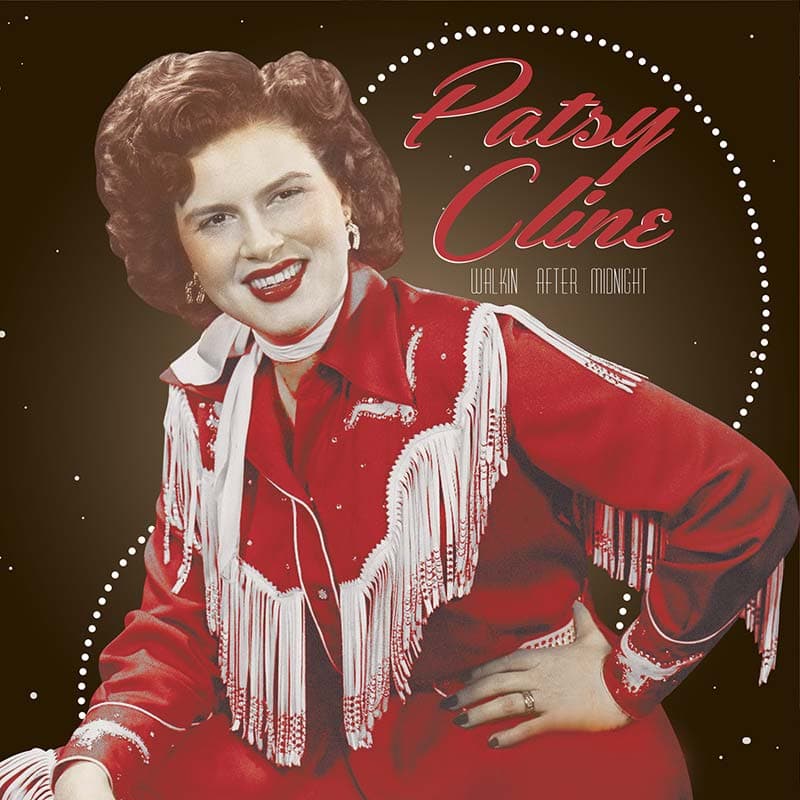
Before “Crazy” And “I Fall To Pieces” Made Her A Country Legend, Patsy Cline Was Already Showing The Vocal Personality That Set Her Apart
There was something unmistakable about Patsy Cline’s voice. She could make a song sound intimate without losing its strength, bringing a sense of personality to every phrase. Her recording of “Lovesick Blues,” released by Decca Records in March 1960, offers a fascinating glimpse of an artist exploring a country classic in her own distinctive style. Although her version did not become a major commercial hit, it remains an interesting part of her recording history, especially for listeners who want to discover more than the familiar songs that made her famous.
“Lovesick Blues” had a long history before Patsy recorded it. Written by Cliff Friend and Irving Mills, the song first appeared in the late 1920s and passed through several musical styles before becoming a country standard. Its best known early country interpretation came from Hank Williams, whose 1949 recording became a defining moment in his career. Williams brought a plaintive, yodel tinged quality to the song, turning its tale of romantic misery into an energetic performance that topped the country charts and helped establish him as one of country music’s most important stars. Patsy’s version arrived more than a decade later, when the song was already deeply associated with Williams.
Patsy recorded her interpretation on January 27, 1960, during the period when her work with producer Owen Bradley was helping shape the polished Nashville sound. Released with “How Can I Face Tomorrow” on the other side, the single did not receive the promotion needed to make it a commercial success. Yet the recording deserves attention for what it reveals about Patsy’s versatility. She was not simply a singer of heartbreak ballads. She could approach an older song with a lighter touch, balancing its comic sadness with the warmth and control that distinguished her voice.
The song’s appeal lies in the way it mixes misery with humour. Its narrator is overwhelmed by love, complaining about loneliness and longing while expressing those feelings through a lively melody. That contrast is part of what made the song endure. Patsy’s delivery gives the material her own character, even as listeners familiar with Hank Williams may hear echoes of the tradition he helped popularise.
In the years that followed, Patsy Cline became one of the most influential voices in country music, with recordings such as “I Fall to Pieces,” “Crazy” and “She’s Got You” establishing a legacy that reached far beyond the genre. She died in a plane crash on March 5, 1963, at just 30 years old. Her catalogue remains remarkable not only for its celebrated hits but also for lesser known recordings like “Lovesick Blues,” which allow us to hear a great singer exploring the many shades of a song, long before her name became synonymous with country music greatness.
 Oldies Songs