
“THE GREATEST MAN I NEVER KNEW” FOUND THE HEARTBREAK IN ALL THE WORDS A FATHER AND DAUGHTER NEVER SAID
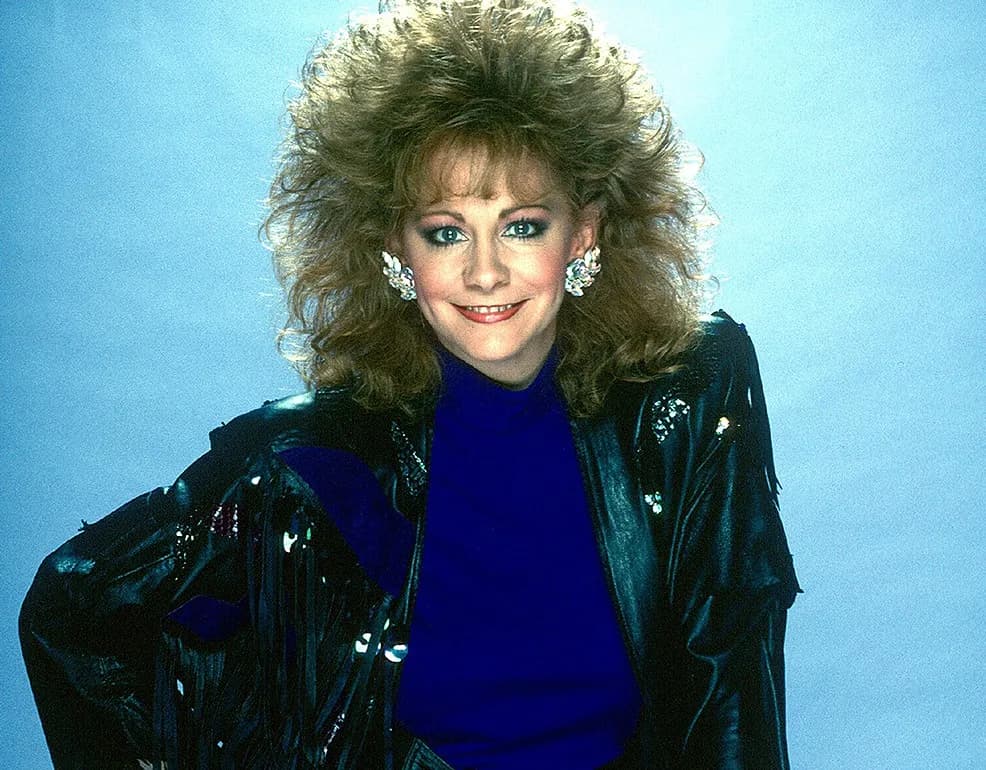
Some country songs hurt because of what happened. “The Greatest Man I Never Knew” hurts because of what never happened. Released in 1992 as the fourth and final single from Reba McEntire’s For My Broken Heart, the song tells the story of a daughter looking back on a father who was physically present but emotionally distant. He lived in the same house, came home from work, provided for his family, and moved through everyday life, yet the daughter never truly felt that she knew him. Written by Richard Leigh and Layng Martine Jr., the song became one of the most affecting recordings of Reba’s career because its sadness is built not around an argument or a dramatic goodbye, but around years of affection that was never spoken aloud.
The song appeared on For My Broken Heart, released October 1, 1991, Reba’s sixteenth studio album. That record carries an especially heavy place in her story. It was made in the aftermath of the March 16, 1991 plane crash that killed eight members of her band and crew, and Reba dedicated the album to those she had lost. The official Reba website describes it as a tribute to the lives lost in the tragedy, and the album ultimately became the best-selling album of her career, eventually receiving quadruple-platinum certification. In the middle of that deeply personal collection sat a song about another kind of loss, the realization that sometimes a person can disappear from your life before you ever get the chance to say everything you wanted to say.
What makes the writing so devastating is its restraint. The father is not portrayed as cruel. He is a man who works, comes home late, says little and seems to believe that providing for his family is how love is demonstrated. His daughter wants something different. She wants conversation, affection, recognition, a sense that the two of them actually know each other. That distinction gives the song its emotional complexity. There is love somewhere underneath the silence, but love that remains unspoken can still leave an enormous emptiness. The title itself becomes painfully ironic. He was, in the daughter’s eyes, “the greatest man I never knew.”
Reba understood how to sing that kind of story without turning it into melodrama. Her vocal is controlled, clear and increasingly vulnerable as the narrative unfolds. She does not need to force the sadness because the lyric has already done the heavy lifting. The tragedy arrives in the realization that time has run out. All those ordinary evenings, all those chances to sit down and talk, all those moments when either person might have crossed the distance between them are suddenly memories. The song therefore becomes larger than one father and daughter. It speaks to anyone who has ever loved someone deeply while struggling to express that love, or who has looked back and wished that a relationship had contained more words, more embraces, more time.
The song became one of the defining recordings from Reba’s early-1990s period and has remained important enough to appear on her later career compilations. Reba included it on Greatest Hits Volume Two in 1993, and decades later she selected it for the “Revived” portion of her 2021 project Revived Remixed Revisited, showing that she still regarded it as one of the songs that belonged among her essential recordings.
Perhaps that is why “The Greatest Man I Never Knew” continues to land so heavily. It does not ask for tears. It simply places an unfinished relationship in front of the listener and lets the silence speak. Reba takes a song written from another person’s experience and gives it the intimacy of a personal confession. By the final moments, the greatest sadness is not that the father was a bad man. It is that there was love in that house, perhaps much more than either of them understood, and yet so much of it remained trapped behind the words they never found.